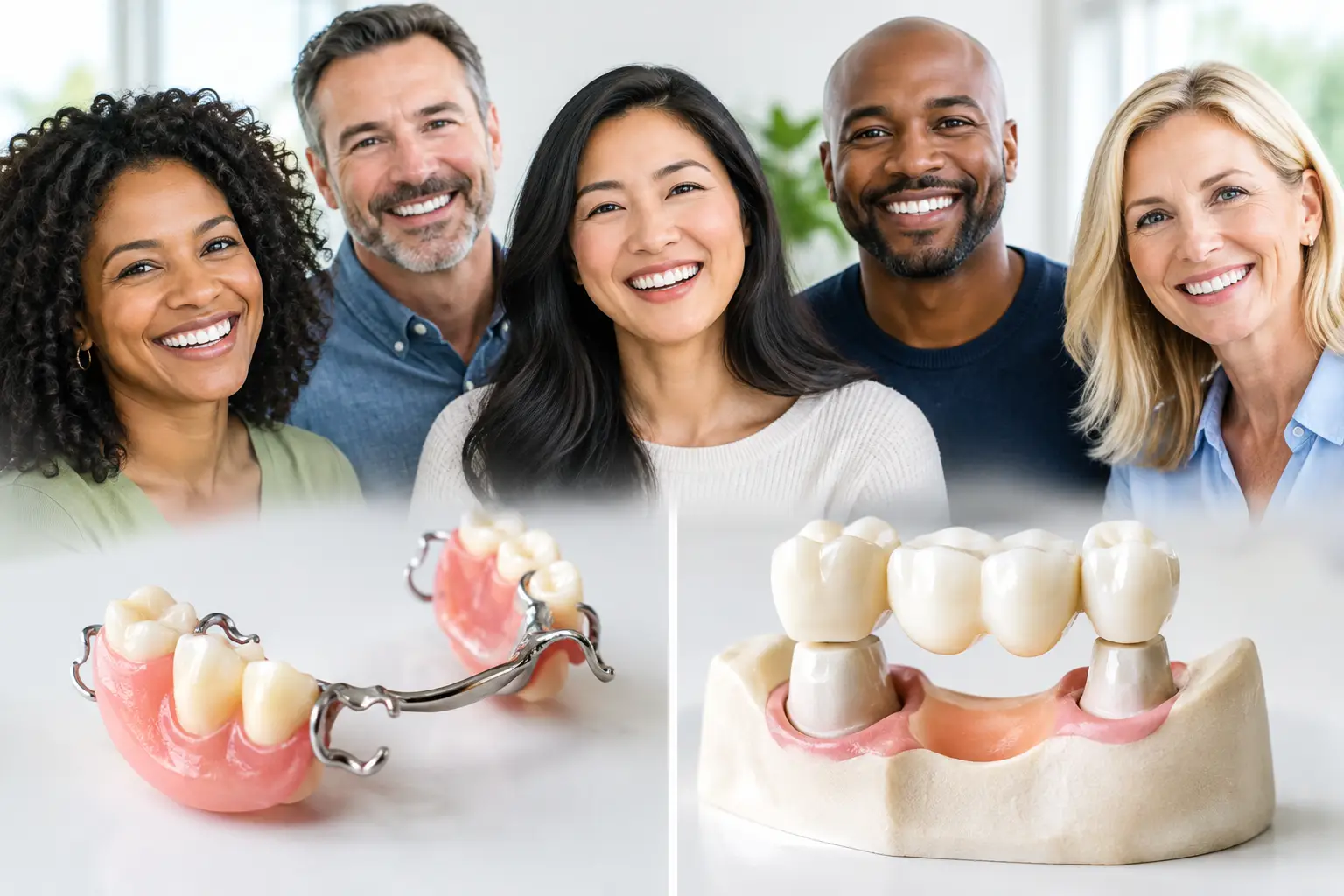

A dental implant before and after example is often most meaningful when you look beyond the visible change. Before treatment, a missing tooth can make it harder to chew, speak clearly, or smile without thinking twice. After a well-planned implant restoration, the goal is a tooth that feels secure, supports everyday function, and blends naturally with the surrounding smile.
For patients in Riverside, the best results are not one-size-fits-all. The shape of the replacement tooth, the health of the gums, the strength of the jawbone, and the color of nearby teeth all influence what an implant can achieve. Careful planning is what turns a replacement tooth into a result that looks believable and feels comfortable.
What a Dental Implant Before and After Example Can Show
An implant replaces a missing tooth in stages. The implant itself is a small post placed in the jawbone. Once it has healed and integrated with the bone, it supports an abutment and a custom crown. The crown is the portion visible above the gumline.
In a straightforward single-tooth example, the “before” image may show a gap where a back tooth was lost due to decay, a crack, or an extraction. Sometimes the neighboring teeth have begun to lean toward the space, or the opposing tooth has started to shift downward. The patient may be chewing mostly on one side to avoid discomfort.
The “after” result shows a custom crown filling that space. It should restore the chewing surface without looking too large, too bright, or out of place. In the front of the mouth, the details become even more noticeable. The crown must be sized, shaped, and colored to complement the smile, while the gumline needs to look balanced and healthy.
Photos are useful, but they cannot tell the full story. A truly successful result also means the bite is comfortable, the implant is stable, and the patient can clean around it effectively at home.
Before Treatment: What Your Dentist Evaluates
A missing tooth is not always an immediate implant case. Some patients have enough healthy bone and gum tissue to move forward with implant placement. Others need time for healing after an extraction, treatment for gum disease, or a bone graft to create a stronger foundation.
At a consultation, your dentist evaluates the gap, your bite, the condition of nearby teeth, and the volume of bone beneath the gums. Digital imaging helps show whether there is enough space and support for an implant. Medical history matters as well. Conditions that affect healing, tobacco use, certain medications, and uncontrolled diabetes can change the recommended timeline or require additional precautions.
This step protects the quality of the final result. Placing an implant without accounting for the bite or gum position can lead to a crown that is difficult to clean, uncomfortable to bite on, or visually mismatched. Clear treatment planning may take a little longer, but it prevents surprises later.
A Realistic Timeline From Before to After
The visible after result does not usually happen in one appointment. If a tooth needs to be removed, the area may need to heal first. In some situations, an implant can be placed at the time of extraction. In others, waiting is safer for the bone and gums.
After implant placement, the jawbone needs time to fuse with the implant. This process, called osseointegration, commonly takes several months. Your dentist then places the connector piece and creates the final crown once the site is ready. A temporary tooth may be an option during healing, particularly when a front tooth is involved, but its use depends on the stability of the implant and the demands of your bite.
That timeline can feel slow when you are eager to see the final smile. However, healing is part of the treatment, not a delay. It helps give the implant the stable base needed to handle daily chewing forces for years to come.
Why Two Patients May Have Different Results
A dental implant before and after example should set expectations, not promise an identical outcome. One patient may need only a single crown in a back tooth location. Another may have lost a front tooth after trauma and need gum contouring, bone grafting, and careful shade matching before the final crown is placed.
The natural color of teeth also matters. A new crown cannot be whitened after it is made. If you are considering whitening your natural teeth, it is often best to discuss that before the final implant crown is designed. This allows the crown color to match the smile you want to keep.
Patients replacing several teeth may have additional choices. Individual implants can replace separate teeth, while implant-supported bridges or dentures can restore larger gaps. The right option depends on bone support, the number and position of missing teeth, budget, and long-term maintenance needs. A thoughtful dentist will explain the benefits and trade-offs clearly rather than steering every patient toward the same solution.
What Makes an Implant Crown Look Natural
Natural-looking implant work depends on more than selecting a white crown. The crown should reflect the character of your existing teeth, including their color, translucency, texture, and proportions. A front tooth crown may need slight variations in shade to avoid looking flat beside natural enamel.
The gum tissue is equally important. Healthy gums frame the crown and create a more realistic transition between the restoration and your smile. If gum disease is active, treating it before implant treatment protects both the appearance and long-term health of the restoration.
Bite design is another quiet but essential detail. An implant does not move in the same way as a natural tooth, so the crown must be adjusted to meet opposing teeth properly. When the bite is balanced, the implant can function comfortably without taking on unnecessary force.
Living With the After Result
An implant crown is designed to be durable, but it still needs consistent care. Brush twice daily, clean carefully around the gumline, and use the cleaning tools your dentist recommends for the spaces around your implant. Regular exams and professional cleanings help your dental team monitor the gums, bite, and surrounding bone.
An implant cannot get a cavity, but the gum tissue around it can become inflamed or infected. Bleeding, swelling, persistent bad taste, looseness, or discomfort should be checked promptly. Early care is usually simpler than waiting for a small issue to become a larger one.
Avoiding tobacco, wearing a nightguard if you grind your teeth, and keeping routine visits can make a significant difference in the longevity of your investment. With healthy habits and professional monitoring, many implants provide long-term stability and function.
Planning Your Implant Treatment in Riverside
If you are missing a tooth, an in-person examination is the best way to determine whether an implant is appropriate and what your personal before-and-after result may involve. Riverside Cosmetic Dentist provides comprehensive restorative care with an emphasis on clear explanations, comfort, and treatment plans tailored to your goals.
You can also learn more about the practice through the Riverside Cosmetic Dentist homepage, the Riverside, California page, and the dentist page for Dr. Ali Shmara. For patients who have delayed care because of anxiety or a difficult past dental experience, a conversation about comfort options, timing, and costs can make the next step feel far more manageable.
A healthy, confident smile starts with an honest assessment of where you are now and a plan built for where you want to be. The right implant result should not simply fill a space – it should help you eat, speak, and smile with greater ease.