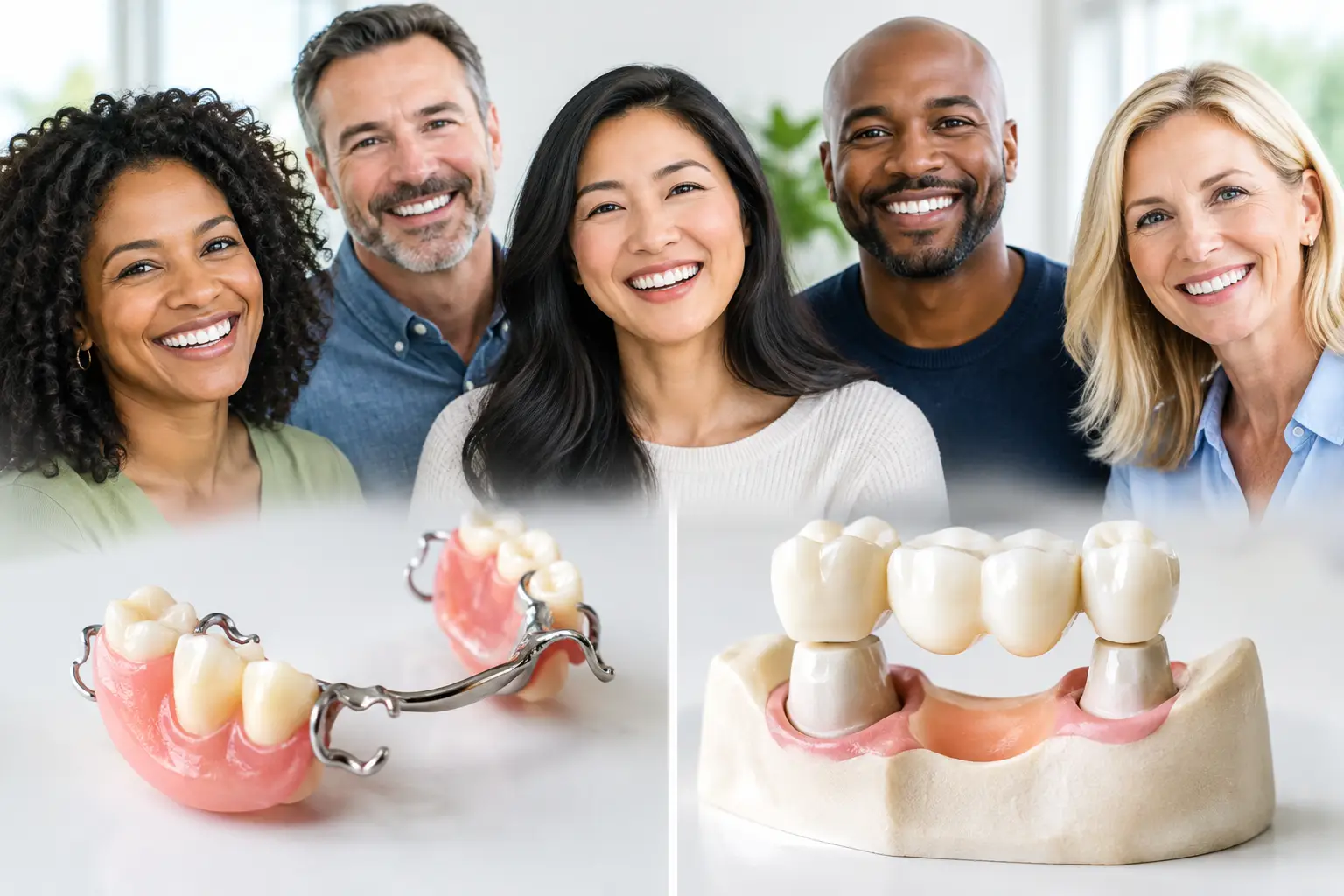
At Riverside Cosmetic Dentist, we can help you in Riverside if you have missing teeth. We understand that it can be challenging to know what to to ask your dentist about fixing your missing teeth.
Find Your Dentist in Riverside, California
Locate the Riverside dentist with the best online reviews, that accepts insurance, with convenient hours of operation, and flexible payment plans. Search online for the best Riverside dentist, call the office, request your dental consultation, and visit your dentist to discuss your missing teeth.
1. Search for the best dentist in Riverside
Begin by searching online for Riverside dentists who specialize in restoring missing teeth. Look at patient testimonials, before-and-after photos, and credentials to ensure the dentist has experience with missing teeth cases.
2. Call the dental office
Once you find a dentist who seems like a good fit, give their office a call. During the call, you can ask about availability, accepted insurance, payment plans, and what services they offer for missing teeth. This is also a good time to see how helpful and welcoming the staff is.
3. Schedule your dental consultation
Book a consultation so you can meet the dentist in person. Most offices offer this as an opportunity to examine your mouth, take X-rays, and discuss which treatment options are available.
4. Visit your dentist
When you arrive at your appointment, bring your dental and medical history. Be open about your concerns, lifestyle, and budget. This will help the dentist create a personalized plan for replacing your missing teeth.
Questions to Ask your Dentist in Riverside about Missing Teeth
During your dental appointment, you should be prepared to ask all of the questions that will help you understand the expertise and approach of the dentist in Riverside.
1. What are options for replacing missing teeth in Riverside?
Ask about dental implants, dental bridges, partial dentures, and full dentures. Each option has its own advantages in terms of cost, durability, and appearance. Your dentist can explain which treatment best fits your situation.
2. What are the benefits for missing tooth replacements?
Replacing missing teeth not only restores your smile but also improves chewing, speaking, and oral health. A complete set of teeth prevents your bite from shifting and protects your jawbone from weakening.
3. What happens if a tooth isn’t replaced?
Without replacement, neighboring teeth can shift into the empty space, the bite can become misaligned, and the jawbone may shrink. This can make future treatments more complicated and costly.
Providing key information to your dentist about missing teeth
1. Cause of tooth loss
Describe what caused your tooth loss. Whether you experienced an accident, an injury, or another dental condition that caused the tooth, the dentist needs as much information to provide a good diagnosis.
2. Dental history
Share your past dental treatments, surgeries, or chronic oral conditions. This helps your dentist determine the safest and most effective replacement option.
3. How long you had had missing teeth for
The amount of time teeth have been missing can affect bone strength and treatment choices. For example, a long gap may mean bone grafting is necessary before implants.
4. Side effects
Let your dentist know if you’ve experienced pain, shifting teeth, speech problems, or difficulty chewing since losing the tooth. These details help shape a treatment plan.
Common causes of missing teeth
Based on a study by the National Library of Medicine, common cause of missing teeth are trauma, tooth decay and periodontal disease.
1. Trauma
Accidents, sports injuries, or unexpected impacts can knock out or damage teeth beyond repair, leading to extraction or tooth loss
2. Tooth Decay
Untreated cavities can spread to the pulp and root, making it necessary to remove the tooth. Tooth decay is one of the leading causes of missing teeth in adults.
3. Periodontal Disease
Advanced gum disease damages the supporting bone and tissue around the teeth, eventually causing them to loosen and fall out.
Benefits of Replacing Missing Teeth
Replacing missing teeth restores your ability to chew comfortably, speak clearly, and smile with confidence. It also helps prevent dental problems such as shifting teeth, bite misalignment, and bone loss. Long-term, replacing teeth supports your overall health and keeps your face looking youthful and natural.
Studies about the Disadvantages of Missing Teeth
Studies show that missing teeth accelerate dental misalignment, cause difficulty eating, create speech impediments, and weaken the jawbone, further complicating future dental treatments.
1. Shifting teeth/teeth alignment
Results from a survey conducted by Biomedical and Pharmacology Journal (BPJ) state that over half of patients with missing teeth experienced misalignment, especially when posterior teeth were not replaced, leading to aesthetic and functional issues.
2. Difficulty eating
The fewer teeth present, the more difficult chewing function and food breakdown will be. Based on research from the National Library of Medicine, elderly individuals with fewer teeth report higher rates of chewing and swallowing difficulties, which impairs overall dietary intake and nutrition. When teeth are missing, chewing ability and bite force are reduced, leading to larger, poorly masticated food boluses and difficulties swallowing. Individuals with compromised dentition may swallow improperly chewed food, which impacts digestion and optimal nutrient absorption.
3. Bone loss in jawbone
Missing teeth lead to bone resorption, as the tooth roots are no longer stimulating the jawbone. This results in weakened bone, facial changes, and premature aging.
Misunderstandings About Missing Teeth
Some people believe missing teeth are only a cosmetic issue, but in reality they affect your overall health. Another common misunderstanding is that only older adults need to worry about tooth loss but accidents, decay, or gum disease can affect people at any age. Additionally, many assume that replacing teeth is too expensive, yet dentists in Riverside often offer affordable solutions and payment plans.
Insurance Coverage for Missing Teeth
Many dental insurance plans provide partial coverage for tooth replacement procedures such as bridges or dentures. Some may also cover a portion of implant costs. Coverage varies, so it’s important to contact your insurance provider and ask about benefits, annual maximums, and waiting periods. If implants aren’t fully covered, your dentist may offer financing options to spread out payments.