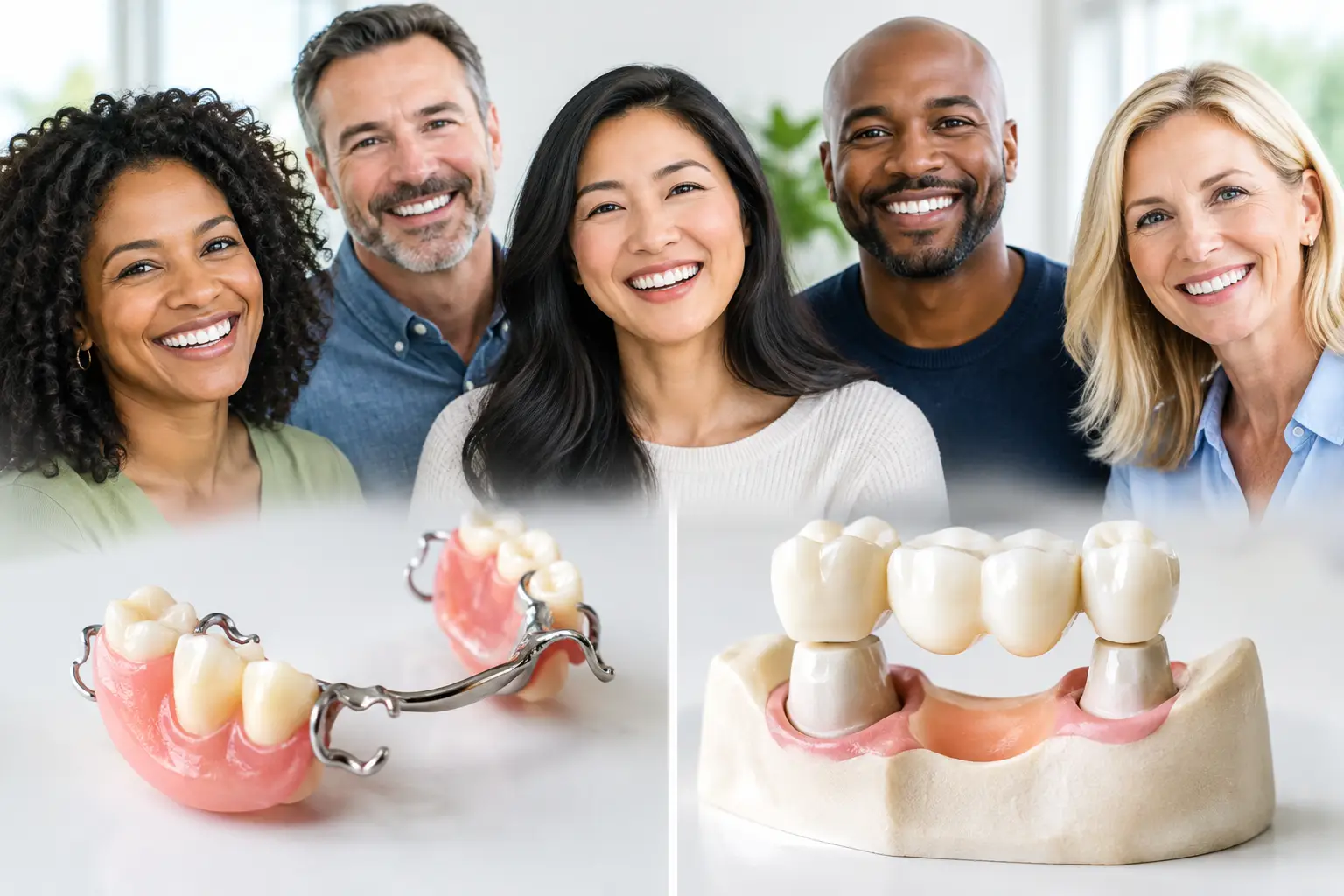

Basic Dental Services That Most Insurance Plans Cover in Riverside, California
Understanding what counts as Basic Services in dental insurance helps you plan preventive care and avoid surprise bills. In Riverside, California, many employers contract dental benefits with networks such as Delta Dental of California or Local Dental Advantage. These plans typically spell out which Basic Services are covered and at what level, but the exact terms depend on your plan’s Summary of Benefits and Evidence of Coverage. To avoid confusion, review the plan documents and talk to your dentist or benefits administrator about what your specific plan covers for Basic Services.
What Basic Services typically include
“Basic Services” in dental coverage generally encompass procedures that are more involved than preventive care but not as extensive as Major restorations. While plan language varies, you’ll commonly see coverage for:
- Fillings (amalgam and composite)
- Simple extractions
- Non-surgical periodontal therapy (a cleaning for gum disease, in many plans)
- Some endodontic procedures (root canals) that are non-surgical or limited in scope
- Sealants (especially for molars in younger patients, with certain age limits)
- Space maintainers for developing dentitions
- Repair of crowns and bridges in certain plans
Most plans describe Basic Services in a way that groups these minor procedures under a single category, but there can be subcategories (sometimes Class II) with specific limits. A typical Riverside-area benefits document might phrase Basic Services to include items like space maintainers, fillings, endodontics, non-surgical periodontics, simple extractions, and related minor procedures, sometimes with frequency limits for radiographs. Because plan design varies so much, the exact list and limits you’ll see in your plan may differ from this example.
How coverage is structured in California
California’s health plans sold through Covered California often coordinate medical and dental benefits, but adult dental coverage is frequently separate from medical coverage. This means your coverage for Basic Services depends primarily on the dental plan itself rather than the medical plan. While some families benefit from bundled coverage, the precise Explanation of Benefits and the Summary of Benefits determine what you pay. Because plans and networks can change year to year, it’s smart to verify the current details with your insurer or employer benefits administrator when you review a new plan year.
In practice, plan documents lay out the availability of preventive services—such as cleanings and exams—at high coverage levels, with Basic and Major services showing shared-cost arrangements and annual maximums. The exact coinsurance, deductible, and annual limits are all important to understand before scheduling treatment, especially if you anticipate major or restorative work beyond routine maintenance.
Common providers and networks in Riverside
In Riverside, employers frequently rely on Delta Dental of California networks or Local Dental Advantage Plus. Benefit summaries for these networks typically specify which Basic Services are covered and at what coinsurance or copay levels, along with any network restrictions. The most reliable way to confirm coverage is to review the current plan document or speak with a benefits administrator for the specific employer-sponsored plan.
For context, some Riverside health systems and City benefit materials reference Delta Dental PPO networks and related plan features, underscoring that coverage for Basic Services is highly plan-specific. When you see terms like “network-based coverage” or “certificate-level details,” these remind readers that the exact benefits depend on the plan year, the network, and whether you visit a in-network vs. out-of-network dentist.
Typical coverage levels and what “most plans cover” means in practice
The American Dental Association notes that dental plans generally fall into indemnity or managed-care structures (PPO/HMO) with variations in what gets paid, how much, and what’s excluded. In California, many dental plans emphasize preventive services with strong coverage, while Basic and Major services involve shared costs and possible annual maximums. For Riverside residents, this means you’ll likely see high coverage for preventive care (cleanings, exams, some X-rays) and more variable coverage for Basic and Major services, depending on your plan and network.
Because plans are private contracts, the exact coinsurance or copayment you’ll owe for Basic Services depends on the network (e.g., Delta Dental PPO vs. a Local Advantage plan), the service, and any waiting periods or exclusions that apply. Reading the Summary of Benefits and the Evidence of Coverage for your specific plan is essential to understanding what you’ll pay and what preventive care might be covered at little or no out-of-pocket cost.
Practical considerations for Riverside readers
Choosing the right plan and using Basic Services wisely requires a few practical steps. First, always verify coverage details for each plan you consider. Plan documents override general statements, and benefits can change yearly. When in doubt, ask your dentist to help you interpret the plan’s coverage for a given procedure and to confirm whether the dentist is in-network. Network differences can affect coinsurance levels and out-of-pocket costs, sometimes significantly.
Additionally, remember that coordination between dental and medical coverage matters in California. If you have a medical plan that offers bundled dental benefits, verify how costs are allocated between the two coverages. For adults, dental coverage is commonly separate from medical coverage, so don’t rely on your medical plan alone to cover Basic Services.
When evaluating a Riverside plan, consider:
- Which Basic Services are explicitly covered and at what coinsurance or copay
- Annual maximums and frequency limits for radiographs or other services
- Whether your preferred dentist is in-network and what that means for costs
- Waiting periods or pre-existing-condition limitations that could affect coverage
- Coordination with any existing dental treatment plan you’re considering
In practice, you may find that preventive care—routine checkups and cleanings—remains strongly covered in many California plans, while Basic and Major services require more out-of-pocket investment. Knowing the specifics of your plan helps you schedule care in a way that protects your long-term health and budget.
A note on radiographs and scheduling limits
A practical example of how plan design can shape care is radiographs. Some Riverside plans limit certain imaging, such as panoramic X-rays, to once every three years under Basic Services. This isn’t universal, but it demonstrates why timing major treatments alongside routine monitoring matters. Your dentist can help you plan imaging and treatment so you stay within coverage limits while maintaining excellent preventive care.
Working with your care team
When you’re trying to get the most from Basic Services, open communication with your dental team is crucial. We encourage patients to bring questions about coverage to the front desk before agreeing to non-emergency procedures. If a plan requires referrals or pre-authorization for specific services, we can help guide you through the process. And if you’re seeking a local provider, Riverside Cosmetic Dentist offers a patient-centered approach to preventive and restorative care, helping you translate plan benefits into clear, actionable steps for your oral health.
For a trusted local option with a focus on preventive and cosmetic outcomes, you may also want to learn more about the team behind the care. Our providers emphasize conservative treatment planning and patient education, ensuring you understand how Basic Services fit into your longer-term dental health goals. The right plan, practiced with attention to prevention, can keep your smile healthy and your costs predictable.
If you’d like more guidance on how Basic Services fit into Riverside plans, we’re here to help. You can reach us at our Riverside office or learn more about our approach from our local resources.
Key takeaways
- Basic Services cover common, lower-cost procedures such as fillings, simple extractions, and non-surgical periodontal therapy, but exact inclusions vary by plan.
- In California, dental benefits for adults are typically separate from medical coverage and are defined in plan documents, not just by the medical plan.
- Plans differ by network, coinsurance, and frequency limits; always review the Summary of Benefits and Evidence of Coverage for your specific plan year.
- Preventive care is often highly covered, but Basic and Major services may involve shared costs and annual maximums.
- Check whether your dentist is in-network, understand any radiograph frequency limits, and confirm any pre-authorization needs before treatment.
To discuss your specific plan and a tailored preventive care plan, contact our Riverside office. We’re here to help you stay proactive about your dental health and to help you navigate coverage with ease.
Call to action
If you’re ready to schedule a visit or want to discuss how Basic Services fit into your coverage, call our office at (951)352-2227 or visit us at 4959 Arlington Ave, Suite A Riverside, CA 92504. We’ll help you understand your plan, set up preventive visits, and plan any needed treatments with clear expectations about costs and timelines.