
A chipped front tooth, a missing molar, or years of wear can change more than your bite. It can change how often you smile, what you eat, and how comfortable you feel in conversations. This complete guide to smile restoration explains how dentists rebuild both function and appearance, and what patients should realistically expect at each stage.
Smile restoration is not one single treatment. It is a plan built around your teeth, gums, bite, goals, health history, and budget. For one person, it may mean replacing a single missing tooth with a crown or implant. For another, it may involve gum treatment, several restorations, and cosmetic finishing to create a smile that looks healthy and feels strong.
What smile restoration really means
At its core, smile restoration is about repairing damage and rebuilding stability. That may include treating decay, replacing broken fillings, restoring worn teeth, replacing missing teeth, or improving symmetry and color after function is addressed. The cosmetic result matters, but so does the foundation underneath it.
That distinction is important. A smile can look better temporarily without being healthier. If gum disease, bite problems, infection, or untreated damage are ignored, cosmetic work tends to fail sooner. A thoughtful plan starts with diagnosis, not guesswork.
Who needs a complete guide to smile restoration?
Many people assume smile restoration is only for major dental problems, but that is not always true. Some patients need full-mouth rehabilitation after years of wear, tooth loss, or fractures. Others simply have a few issues that are starting to affect comfort, chewing, or confidence.
You may be a candidate if you have one or more missing teeth, broken or heavily filled teeth, chronic sensitivity, worn edges, dark or aging dental work, loose dentures, gum problems, or pain when biting. Even if your main concern is cosmetic, restorative care may be the step that makes lasting cosmetic improvement possible.
The first step: a clear diagnosis
A good consultation should feel organized, not rushed. Your dentist should examine the teeth, gums, jaw function, existing restorations, and any signs of infection or bone loss. X-rays and photos often help show the full picture. If you have discomfort, your bite may also need closer evaluation.
This stage is where a lot of patient anxiety drops. Once you understand what is happening, what is urgent, and what can wait, treatment becomes more manageable. A strong treatment plan should explain priorities, timeline, expected results, and costs in plain language.
Common treatments used in smile restoration
Most smile restoration plans use a combination of restorative and cosmetic procedures. The right mix depends on how much tooth structure remains, where the problem is located, and how long the result needs to last.
Fillings and bonding
For small areas of decay, chips, or worn edges, tooth-colored fillings and bonding can be a conservative option. They preserve more natural tooth structure and often can be completed quickly. Bonding works especially well for minor cosmetic improvements, but it is not always the best choice for high-pressure biting areas or severe damage.
Crowns and bridges
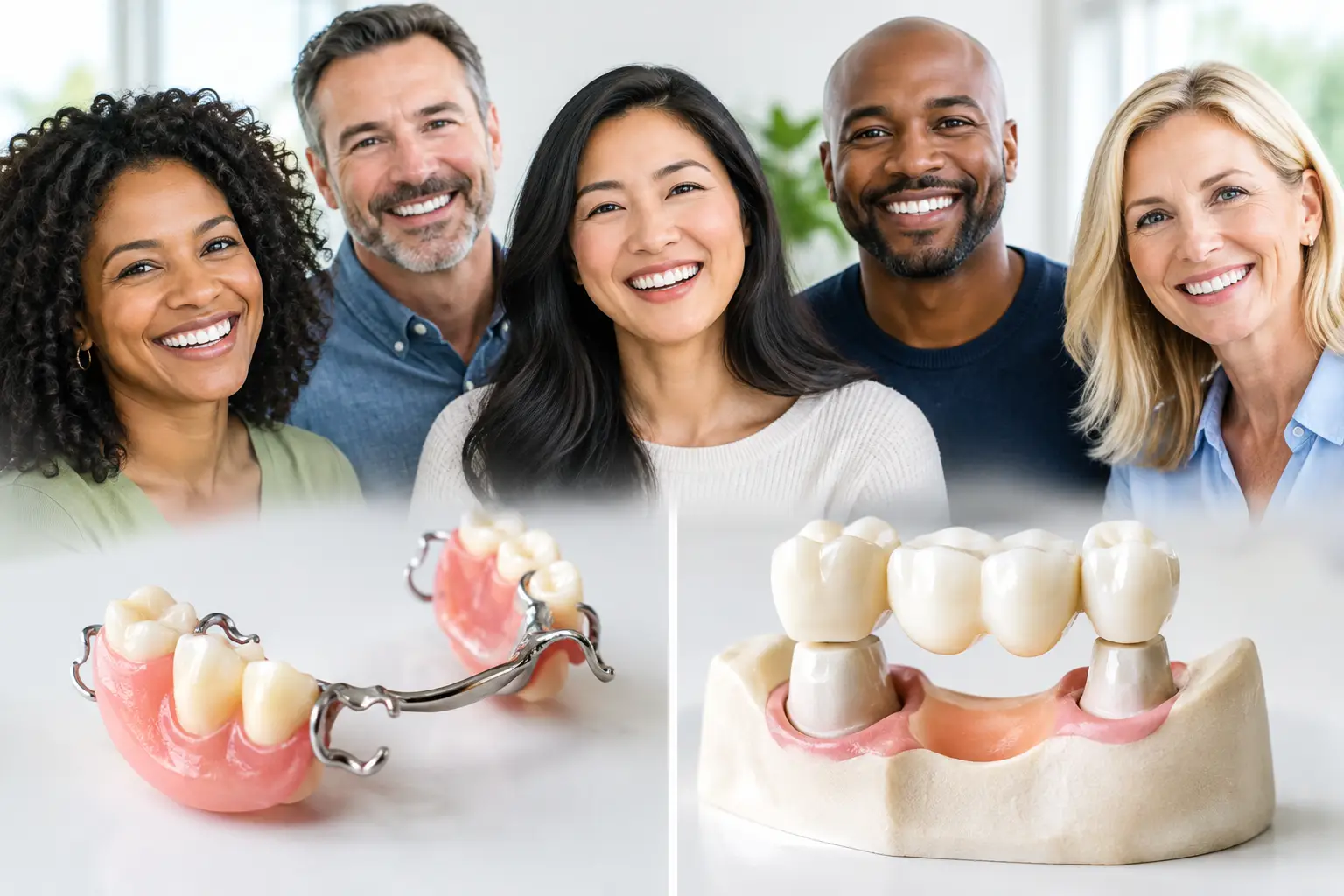
Crowns cover and protect teeth that are cracked, weakened, root canal treated, or too damaged for a filling. When a tooth is missing, a bridge can fill the gap by anchoring to neighboring teeth. Crowns and bridges can restore strength and improve appearance at the same time, though bridges do require support from adjacent teeth.
Dental implants
Implants replace missing tooth roots and support crowns, bridges, or dentures. They are often the closest option to a natural tooth in terms of stability and chewing function. They also help preserve jawbone over time. The trade-off is that implants usually take longer than other options and may require grafting if bone has been lost.
Dentures and implant-supported dentures
For patients missing many or all teeth, dentures can restore function and appearance more affordably than multiple individual implants. Traditional dentures are removable, while implant-supported dentures offer more security and less slipping. Which route makes sense often comes down to anatomy, goals, and budget.
Veneers
Veneers are thin coverings placed on the front of teeth to improve shape, color, and overall appearance. They can be part of smile restoration when the front teeth are structurally sound enough to support them. If there is active decay, severe grinding, or unstable gum health, veneers may need to wait until those issues are under control.
Gum disease treatment
Healthy gums are essential for any lasting restoration. If gums are inflamed, infected, or pulling away from the teeth, treatment may need to begin there. Otherwise, even beautiful dental work can become compromised.
Function first, then aesthetics
One of the biggest mistakes in smile restoration is focusing only on looks. Color and shape matter, but bite balance, gum health, and structural support matter more in the long run. Teeth that look even but meet incorrectly can chip, loosen, or become painful.
That is why the best results often come from a phased approach. Urgent problems are treated first, then missing or damaged teeth are restored, and finally cosmetic details are refined. In some cases, that means whitening after crowns are complete. In others, it means adjusting the bite before choosing veneer shapes.
How long smile restoration takes
This depends entirely on the scope of treatment. A small restoration plan may take one or two visits. A more complex case involving implants, gum care, extractions, or multiple crowns can take several months.
That longer timeline is not necessarily a drawback. In dentistry, faster is not always better. Healing time, lab work, implant integration, and careful staging often lead to a result that feels more comfortable and lasts longer. If you have an event coming up, tell your dentist early so expectations can be set realistically.
What about comfort?
Fear of pain keeps many people from starting treatment. The good news is that modern dentistry offers much more comfortable care than many patients expect. Local anesthetic, gentle techniques, and sedation options can make longer or more involved visits feel manageable.
If you have had a difficult dental experience in the past, speak up. A patient-centered office will not treat that as a side note. It should shape the pace of care, the way procedures are explained, and the comfort measures used during treatment.
Cost and value in a smile restoration plan
There is no honest flat price for smile restoration because every case is different. A single crown costs far less than a plan involving implants, gum treatment, and several restorations. Materials, complexity, and the number of visits all affect the final fee.
Still, cost should be discussed early and clearly. A good office will separate what is urgent from what is optional, explain alternatives, and help you understand the long-term value of each option. Sometimes the least expensive short-term choice leads to more repairs later. Other times, a simpler treatment is entirely appropriate and avoids unnecessary expense.
For many families, phased treatment makes the process more realistic. Immediate needs are handled first, and cosmetic or elective improvements are scheduled over time. Insurance, financing, and non-insurance options can also make care easier to start.
Choosing the right dentist for smile restoration
Experience matters, but so does communication. You want a dentist who can evaluate function, aesthetics, and long-term stability without pushing a one-size-fits-all plan. The right provider should explain why a treatment is recommended, what alternatives exist, and where trade-offs come into play.
That balance is especially important for patients considering cosmetic improvements alongside restorative work. The best smile restorations do not look artificial or overdone. They fit the face, the bite, and the person.
For patients in Riverside who want one office that can handle routine care, restorative treatment, cosmetic dentistry, and urgent dental needs, that convenience can make a complex plan much easier to complete. When exams, X-rays, cleanings, crowns, implants, dentures, veneers, fillings, extractions, gum treatment, and sedation are coordinated under one roof, treatment tends to feel less fragmented and more predictable.
Maintaining your restored smile
Once treatment is complete, maintenance becomes the next priority. Restorations still need professional care, daily brushing and flossing, and regular monitoring. If you grind your teeth, a night guard may protect new dental work from excess force. If gum disease was part of the problem, periodontal maintenance may be essential.
A restored smile is not a finish line where you stop paying attention. It is a fresh start with better function, better comfort, and often a major boost in confidence. The habits that protect natural teeth are usually the same habits that help dental work last.
If you have been putting off treatment because the problem feels too big, start with an exam rather than a final decision. Most smile restoration plans become less intimidating once you see them broken into clear, practical steps – and that first step is often the one that changes everything.