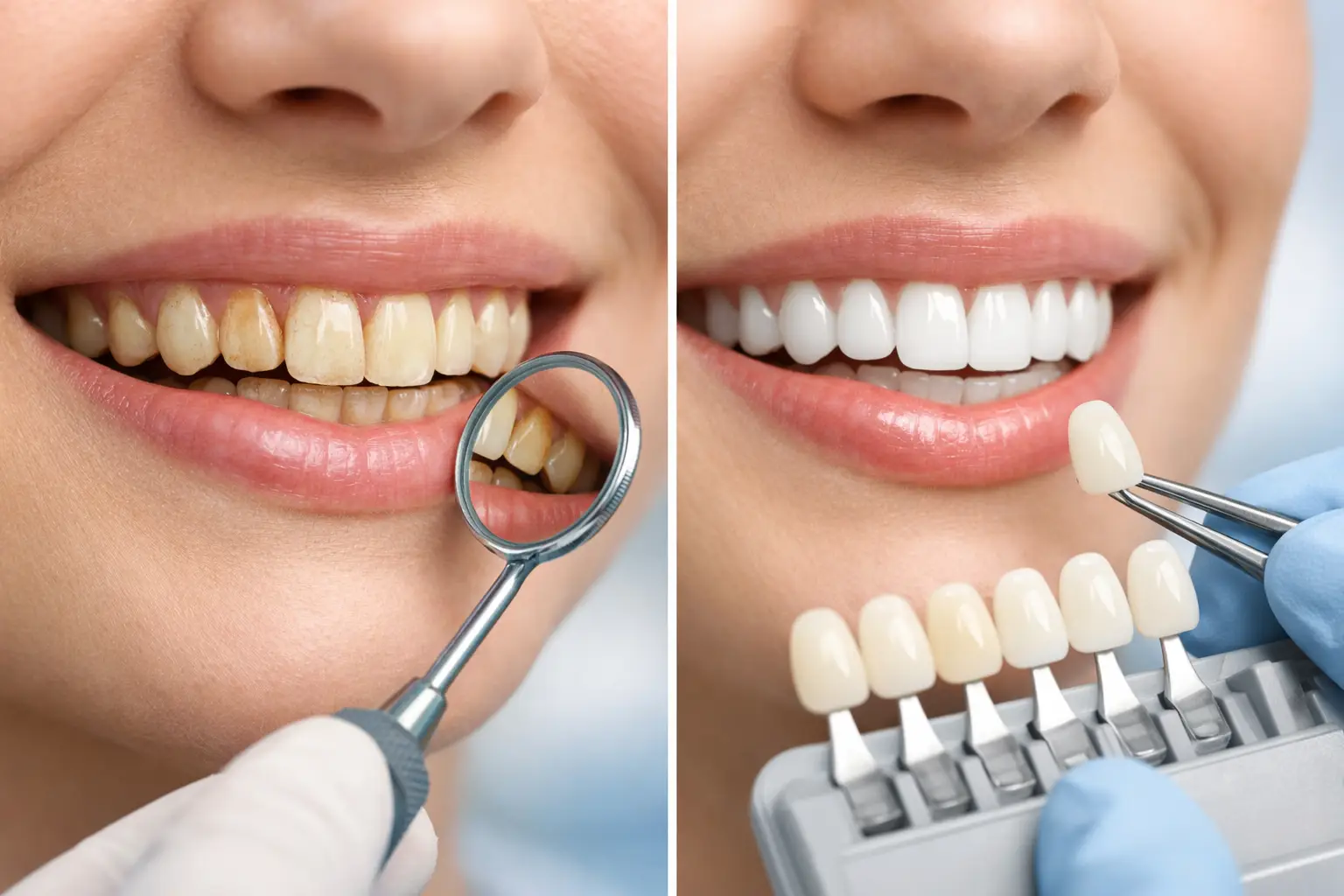
Coffee in the morning, red sauce at dinner, maybe a glass of red wine on the weekend – stained teeth usually happen gradually, then suddenly feel impossible to ignore. If you are wondering how to fix stained teeth, the best answer depends on what kind of stain you have, how deep it goes, and whether the teeth themselves are healthy underneath.
Some discoloration responds well to a professional cleaning or whitening treatment. Other stains are more stubborn and need bonding or veneers to create a brighter, more even look. The key is not guessing. Treating the wrong kind of stain with the wrong product can waste time, irritate your teeth, and leave you frustrated.
How to fix stained teeth starts with the cause
Not all tooth stains are the same. That matters because surface stains and deeper internal discoloration are treated very differently.
Extrinsic stains sit on the outer enamel. These are commonly caused by coffee, tea, red wine, tobacco, and strongly pigmented foods. They are often the easiest to improve, especially if the stain has not been building up for years.
Intrinsic stains are deeper inside the tooth. These can be related to trauma, certain medications, excessive fluoride exposure during development, aging, or changes after a root canal. Intrinsic discoloration usually does not respond as well to ordinary whitening products.
There is also age-related discoloration, which tends to be a mix of both. Over time, enamel gets thinner and the naturally darker dentin underneath shows through more clearly. That is why teeth can look more yellow even when you brush consistently.
Start with a professional cleaning before whitening
A lot of people go straight to whitening strips, but a professional cleaning is often the better first step. Plaque, tartar, and surface buildup can make teeth look dull or stained even when the underlying enamel is not severely discolored.
A cleaning removes debris that brushing at home cannot fully handle. It also gives your dentist a better view of what is really happening with the color of your teeth. Sometimes patients think they need a cosmetic procedure when what they really need is a thorough cleaning and a more effective home-care routine.
This step matters for another reason. If you have cavities, gum inflammation, enamel wear, or sensitivity, those issues should be addressed before whitening. Healthy teeth respond better, and treatment is more comfortable.
Professional whitening is often the fastest answer
If the stains are mostly external and your teeth are otherwise healthy, professional whitening is often the most direct solution. It works by using bleaching agents that break apart stain compounds inside the enamel.
In-office whitening typically gives the fastest and most noticeable result. It is a good option for people who want a visible improvement without waiting weeks to see if store-bought products will help. Supervised treatment also reduces the chances of overusing whitening products, which can lead to sensitivity and uneven results.
Take-home whitening from your dentist is another strong option. Custom trays tend to fit better than one-size-fits-all products, which means the gel is more likely to stay where it should and less likely to irritate your gums. The trade-off is timing. It usually takes longer than in-office whitening, but many patients like the control and convenience.
Over-the-counter whitening products can help mild staining, but expectations need to be realistic. They are usually less concentrated, and results vary. If your stains are moderate to severe, or if one tooth is much darker than the others, they may not do enough.
When whitening will not fix stained teeth
This is where many people get discouraged. If whitening has not worked before, that does not always mean nothing can be done. It may simply mean the discoloration is the wrong type for bleaching.
A tooth that darkened after injury or root canal treatment often needs a different approach. Gray, brown, or patchy discoloration can also point to internal changes rather than just surface staining. In those cases, cosmetic restorations may create a much more predictable result.
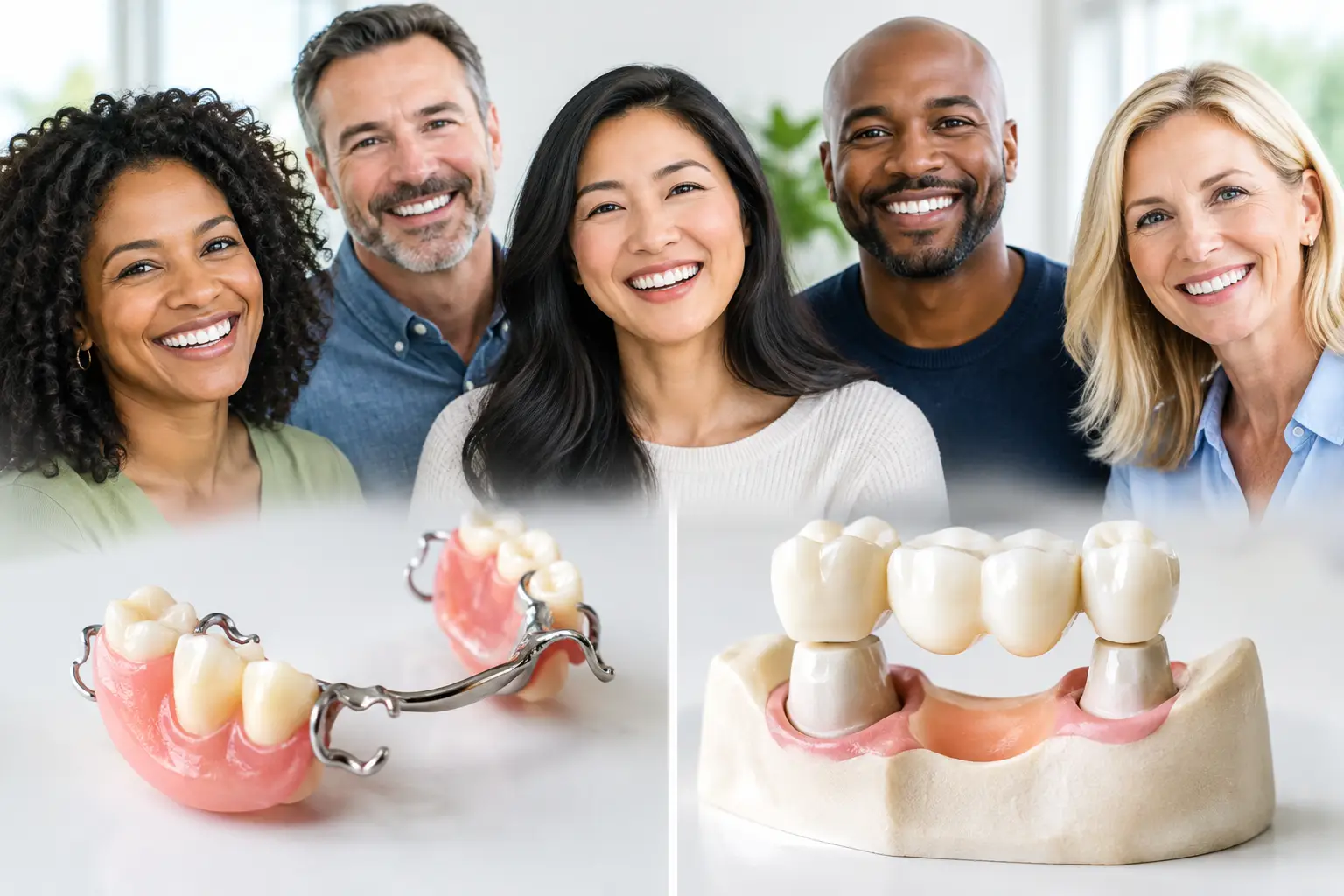
Bonding is one option. A tooth-colored resin is shaped and polished over the visible surface of the tooth to improve color and appearance. It is conservative and can be a good choice for smaller areas of discoloration, especially when only one or two teeth are involved.
Veneers are another option, especially when staining is severe or combined with other concerns such as worn edges, uneven shape, or small gaps. Veneers cover the front surface of the teeth and can dramatically improve color in a way whitening cannot. They are more of a commitment than whitening or bonding, but they also offer more control over the final appearance.
Crowns may be appropriate if a stained tooth also has significant structural damage, a large filling, or a history of root canal therapy. In that situation, the goal is not just to improve color but to strengthen and protect the tooth.
Habits that help keep teeth from staining again
Fixing stained teeth is only part of the picture. Keeping them brighter takes some maintenance, especially if the staining foods and drinks are part of your regular routine.
You do not have to give up coffee forever. What helps is reducing how long stain-causing liquids sit on the teeth. Drinking water after coffee, tea, soda, or wine can make a difference. Using a straw for cold drinks can also limit contact with the front teeth.
Daily brushing and flossing matter, but technique matters too. Brushing twice a day with a non-abrasive toothpaste helps remove fresh surface stains before they become more noticeable. If you use whitening toothpaste, be careful not to overdo it. Some formulas are abrasive enough to contribute to sensitivity or enamel wear when used too aggressively.
Tobacco is one of the toughest staining culprits. It causes both surface discoloration and long-term oral health problems. For patients who smoke or use chewing tobacco, stopping does more for your smile than almost any cosmetic product.
Routine dental visits also play a real role. Regular cleanings help control buildup and catch small issues before they become more expensive or more visible.
How to fix stained teeth safely at home
Home care has a place, but it should be sensible. Whitening strips and whitening toothpaste can be useful for mild stains and maintenance after professional treatment. They are less ideal for deep discoloration or sensitive teeth.
Be cautious with DIY whitening trends. Lemon juice, baking soda scrubs, charcoal powders, and hydrogen peroxide mixtures sound appealing because they seem simple and inexpensive. The problem is that some of these methods are abrasive or acidic enough to damage enamel and irritate gums. Once enamel is worn away, it does not grow back.
If your teeth are already sensitive, whitening without guidance can make them feel worse. It is usually smarter to identify the reason for the sensitivity first, then choose a treatment that brightens your smile without creating a second problem.
When to see a dentist about tooth discoloration
Some stains are cosmetic. Others can point to something more serious. If one tooth suddenly becomes darker than the others, if discoloration appears after an injury, or if you also have pain, swelling, or sensitivity, it is worth getting checked promptly.
You should also schedule an exam if whitening has repeatedly failed, or if your teeth look blotchy rather than uniformly yellow. A personalized evaluation can tell you whether the best answer is cleaning, whitening, bonding, veneers, or restorative care.
For patients in Riverside and nearby communities, that kind of guidance matters because the right treatment can save you time, money, and frustration. A tailored plan is usually more effective than trying product after product and hoping one finally works.
Riverside Cosmetic Dentist takes this approach seriously. If you are looking for a local practice, the Riverside Cosmetic Dentist homepage, the Riverside page, and the dentist page offer a clear look at services, approach, and what to expect from care.
The best treatment is the one that fits your teeth
There is no single answer to how to fix stained teeth because staining happens for different reasons. A simple cleaning may be enough for one person. Another may need professional whitening. Someone else may get the best result from bonding, veneers, or a crown.
What matters most is choosing a treatment based on the actual cause, not just the color you see in the mirror. When the plan fits the problem, results tend to look better, last longer, and feel a lot less stressful.