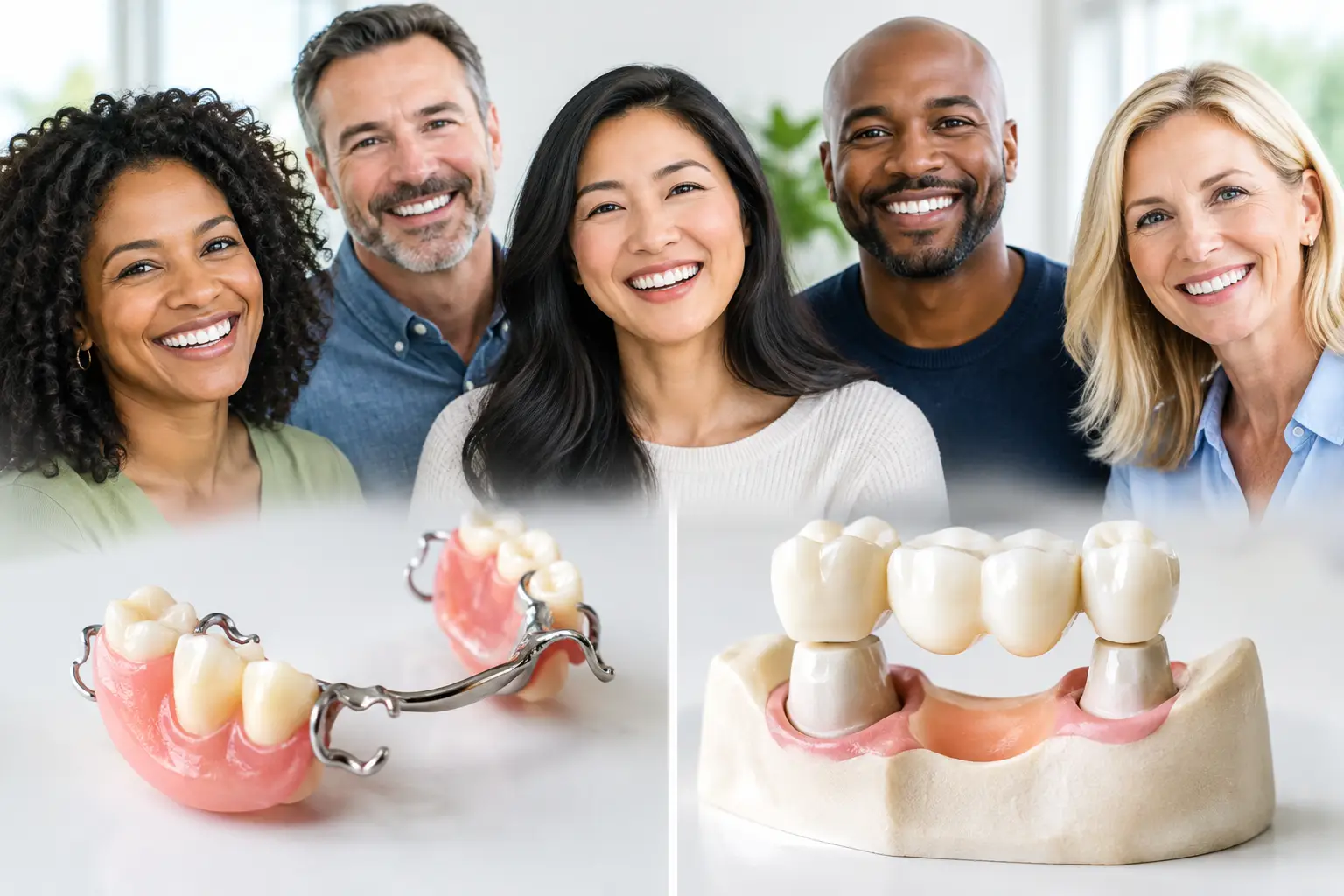
A chipped tooth can change more than your smile. It can make you think twice before photos, cover your mouth when you laugh, or worry that the damage will get worse every time you bite into something crunchy. When patients ask about bonding vs veneers for chipped teeth, they usually want a clear answer fast: what will look best, what will last, and what makes the most sense for their budget.
The honest answer is that both can be excellent. The better choice depends on how large the chip is, where the tooth sits in your smile, how much natural tooth structure remains, and how long you want the result to last.
Bonding vs veneers for chipped teeth: what is the difference?
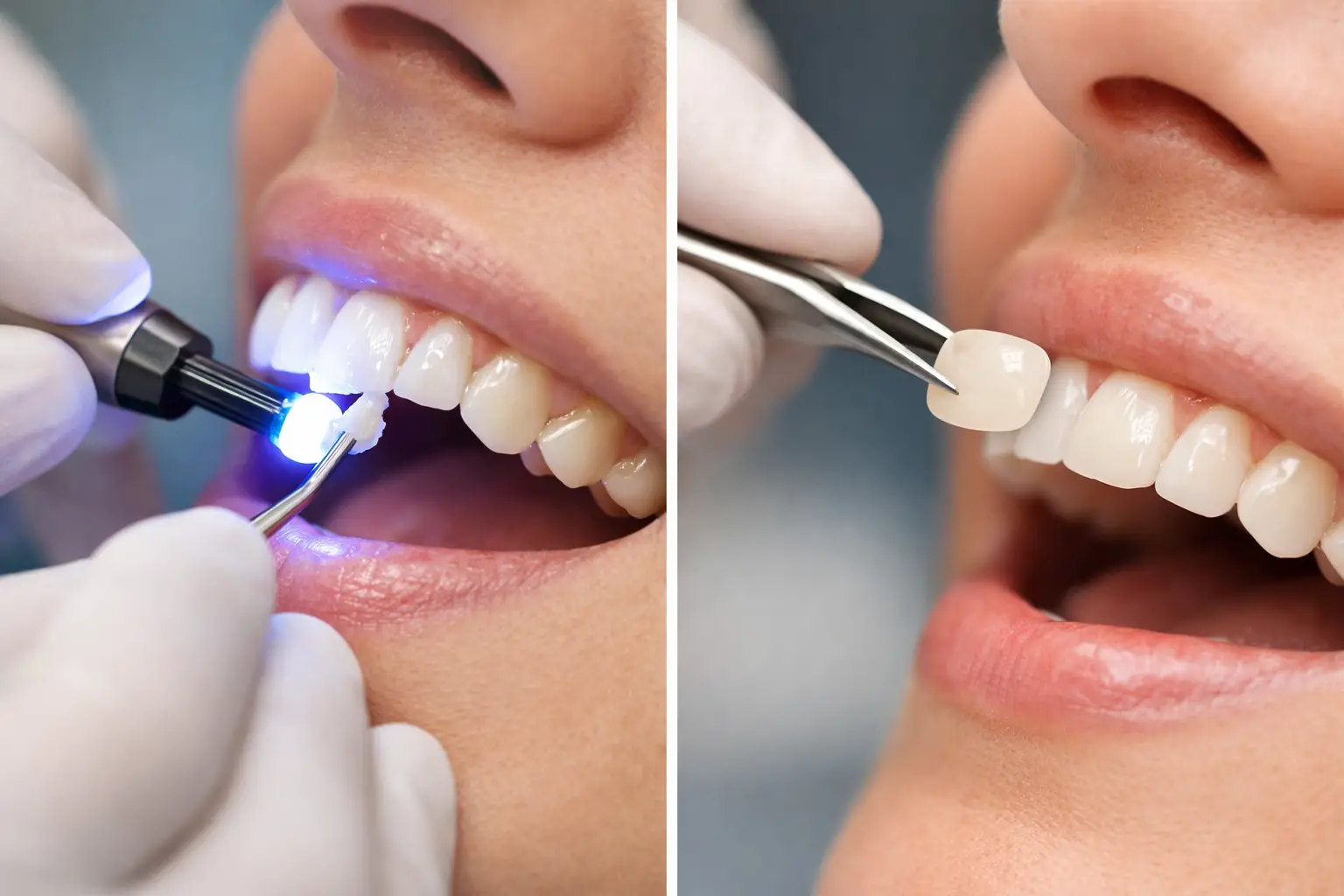
Dental bonding uses a tooth-colored composite resin that is shaped directly onto the tooth. Your dentist matches the color, rebuilds the chipped area, hardens the material with a curing light, and polishes it so it blends in naturally. In many cases, bonding can be completed in a single visit.
Veneers are thin custom shells, usually made from porcelain, that cover the front surface of the tooth. They are designed to improve the tooth’s shape, color, and overall appearance. Veneers often require more planning and usually take at least two visits, although timing can vary depending on the case.
If your main concern is a small chip on an otherwise healthy tooth, bonding is often the more conservative place to start. If the chip is part of a bigger cosmetic issue, such as uneven shape, discoloration, wear, or multiple front teeth that do not match well, veneers may offer a more complete solution.
When bonding makes the most sense
Bonding is often a strong option for minor to moderate chips, especially on front teeth. It is popular because it is efficient, more affordable than veneers, and preserves more of your natural tooth.
For many patients, the biggest advantage is simplicity. A small chip can sometimes be repaired in one appointment without significant drilling. That matters if you want a quicker fix or feel nervous about more involved treatment.
Bonding also works well when the goal is very targeted. If one corner of a tooth chipped and the rest of the tooth looks healthy, adding composite just where it is needed can be a smart, practical choice. It lets your dentist restore the shape without changing more than necessary.
That said, bonding has trade-offs. Composite resin is durable, but it is not as strong or stain-resistant as porcelain. Over time, bonded edges can chip again, wear down, or pick up discoloration from coffee, tea, red wine, or smoking. Polishing and touch-ups can help, but bonding generally does not keep its finish as long as porcelain veneers.
When veneers are worth considering
Veneers usually make more sense when the chipped tooth is part of a larger cosmetic concern. If the tooth is chipped and also discolored, misshapen, slightly uneven, or worn, a veneer can address several issues at once.
Porcelain has a lifelike translucency that many patients love, especially on visible front teeth. It reflects light in a way that often looks very natural, and it tends to resist stains better than composite. If you want a longer-lasting cosmetic upgrade and you are focused on the overall appearance of your smile, veneers can be an excellent investment.
They are not always the right first step for a very small chip, though. Veneers usually require removing a thin amount of enamel to create space for the restoration. That is still conservative compared with crowns, but it is more involved than most bonding procedures. Veneers also cost more upfront.
For some patients, that trade-off is worthwhile because they want a more dramatic and polished result. For others, it is more treatment than they actually need.
Appearance: which looks more natural?
Both bonding and veneers can look beautiful when done well. The difference often comes down to the size of the repair and the cosmetic standard you want.
For a small chip, bonding can blend in extremely well. A skilled cosmetic dentist can shape and shade the material so the repair is difficult to notice. If the surrounding tooth is healthy and the color match is good, the result can be subtle and attractive.
Veneers often have the edge when the goal is a more refined smile makeover look. Porcelain tends to maintain its luster longer and can create very consistent symmetry across multiple teeth. If one front tooth is chipped but also darker, shorter, or shaped differently than the tooth next to it, a veneer may produce a more balanced final result.
This is where planning matters. The best treatment is not the one that sounds most advanced. It is the one that fits your tooth, your smile, and your expectations.
Durability and lifespan
If you are comparing bonding vs veneers for chipped teeth because you want the longest-lasting option, veneers usually last longer. Porcelain is strong, stable, and less likely to stain. With good care, veneers often last many years.
Bonding can also hold up well, but it is more vulnerable to wear and edge chipping, especially if you bite your nails, chew ice, clench your teeth, or use your front teeth to open packages. Patients who grind their teeth may need a night guard no matter which option they choose.
Durability also depends on where the chip is located. A tiny chip at the edge of a front tooth takes a different kind of pressure than damage on a tooth that meets heavily during biting. What works beautifully for one patient may not hold up the same way for another.
Cost and value over time
Bonding is generally less expensive than veneers at the start. For patients who want a cosmetic fix without a larger financial commitment, that can make bonding very appealing.
Veneers cost more because they involve custom fabrication, more detailed planning, and premium materials. But lower upfront cost does not always mean better long-term value. If a bonded tooth needs more frequent repairs or replacement, the difference can narrow over time.
The right way to think about cost is not just what you pay today. It is what result you want, how long you want it to last, and whether you are comfortable with the maintenance each option may require.
A few situations where the answer is clear
If the chip is very small and the tooth is otherwise healthy, bonding is often the simplest and most conservative choice.
If the chipped tooth also has cosmetic issues you have wanted to fix anyway, veneers may make more sense.
If a large portion of the tooth broke off, or the tooth has structural weakness, neither bonding nor veneers may be ideal. In those cases, a crown or another restorative treatment could be the better option. That is why an exam matters. What looks like a cosmetic chip to a patient can sometimes involve deeper damage, bite issues, or old dental work that affects the plan.
How a dentist helps you decide
A good cosmetic consultation should not feel like a sales pitch. It should feel specific to you. Your dentist should look at the size of the chip, the health of the tooth, your bite, your habits, your smile line, and your goals.
If you live in Riverside and want a natural-looking repair, it helps to choose a practice that handles both cosmetic and restorative care. That way, the recommendation is based on what your tooth actually needs, not just on one treatment category. In some cases, patients come in expecting veneers and learn that bonding will do the job beautifully. In other cases, they assume bonding is enough but realize they would be happier with the longer-lasting aesthetics of porcelain.
For patients seeking personalized cosmetic dentistry in Riverside, Riverside Cosmetic Dentist and Dr. Ali Shmara focus on treatment planning that balances appearance, function, and comfort. That kind of careful evaluation matters when the goal is not just fixing a chip, but restoring confidence in a way that feels right for your smile.
What to expect after treatment
Whether you choose bonding or veneers, the basics of care are similar. Brush and floss consistently, avoid using your teeth as tools, and be mindful with very hard foods. If you grind your teeth at night, protecting your dental work is part of protecting your investment.
You should also keep up with routine dental visits. Small problems are easier to manage early, and polished maintenance can help cosmetic work keep looking its best.
If you are stuck between bonding and veneers for a chipped tooth, the most helpful question is not which option is better in general. It is which one is better for this tooth, in this smile, with your priorities. The right treatment should feel natural when you smile, comfortable when you bite, and sensible when you look at the full picture.