Losing a tooth changes more than your smile. It can make chewing harder, affect the way you speak, and put extra stress on the teeth that are still doing the work. That is why understanding tooth replacement options for adults matters so much. The right choice can restore comfort, appearance, and confidence, but the best treatment is not always the same for every patient.
Some adults want the longest-lasting solution possible. Others need something more affordable right now. Some have healthy bone and gums, while others need to address gum disease, decay, or an extraction first. A good treatment plan starts with the details of your health, your goals, and your timeline.
Tooth replacement options for adults: what are the main choices?
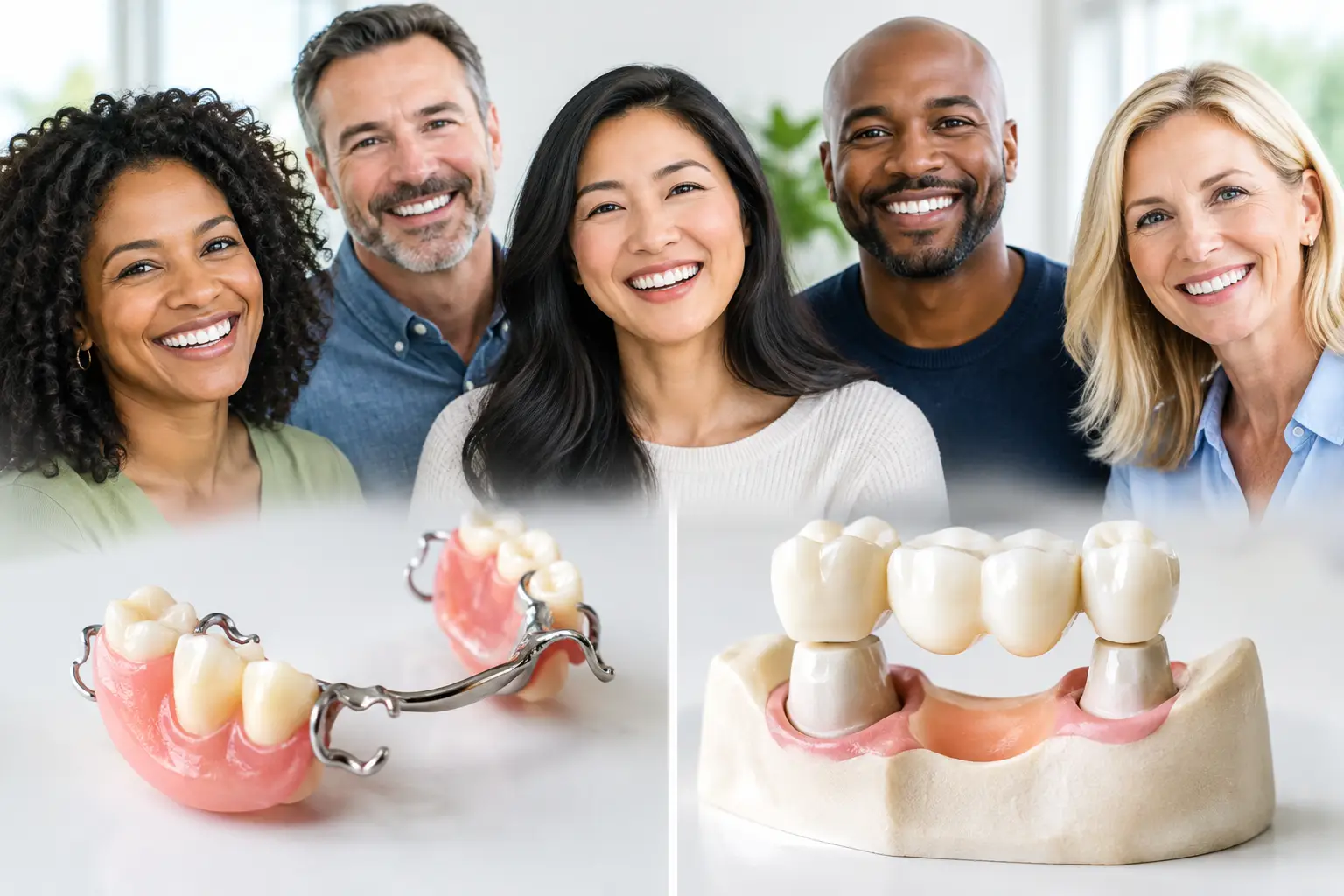
For most adults, the conversation comes down to three proven treatments: dental implants, bridges, and dentures. Each can replace one tooth, several teeth, or even a full arch depending on the case. The differences are in how they work, how they feel, how they look over time, and what kind of maintenance they require.
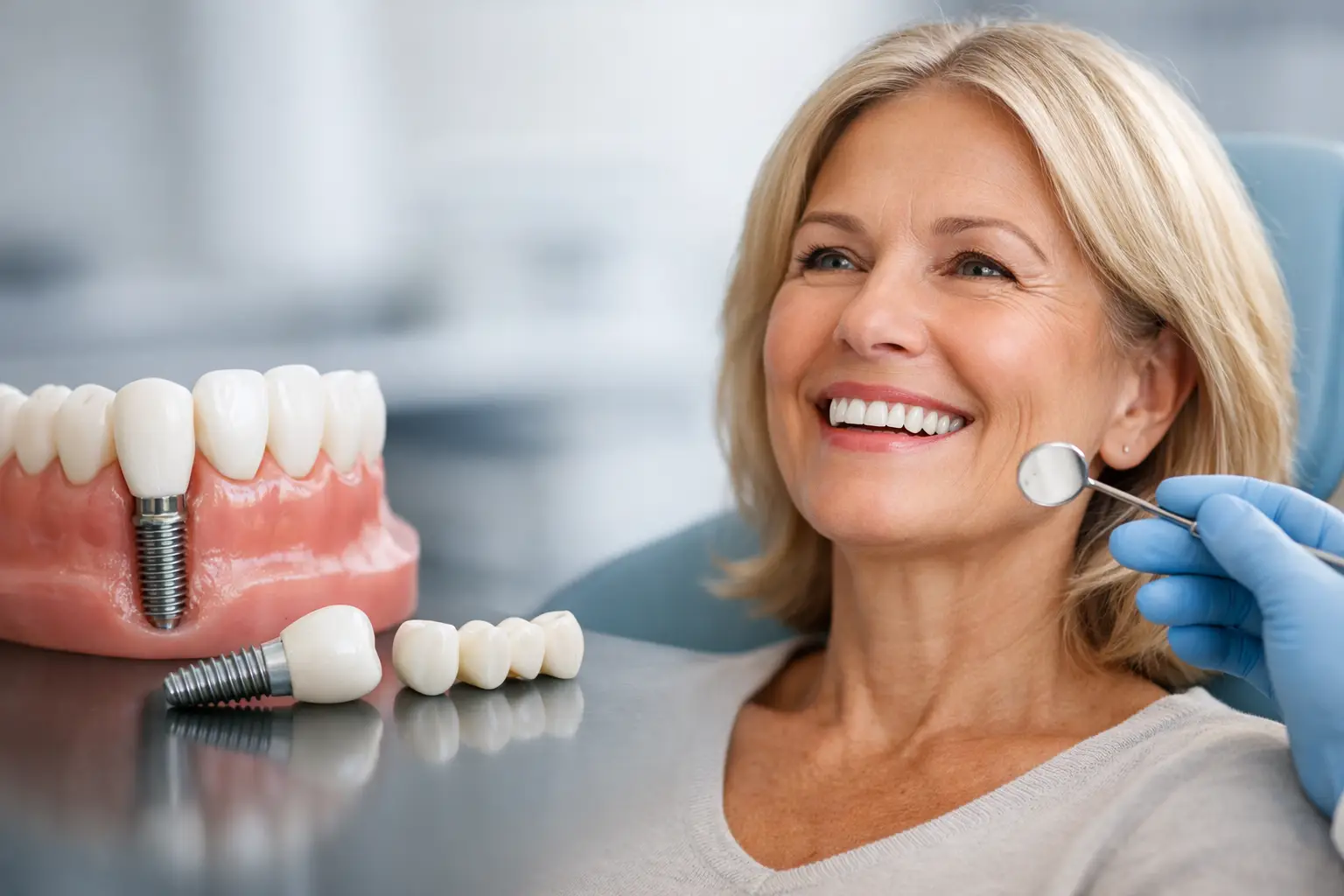
A dental implant replaces the tooth root with a small post placed in the jawbone. After healing, a crown, bridge, or denture can be attached to it. A bridge fills a gap by anchoring an artificial tooth to the neighboring teeth. Dentures are removable replacements that can restore multiple missing teeth or a complete arch.
None of these options is automatically the best. The right fit depends on bone support, the condition of nearby teeth, budget, and whether you want a removable or fixed solution.
Dental implants
For many adults, implants are the closest option to having a natural tooth again. Because the implant sits in the jawbone, it helps support biting force and can reduce the bone loss that often happens after a tooth is lost. Patients also like that implant-supported restorations tend to feel stable and natural when speaking and eating.
Implants work especially well when a single tooth is missing and the surrounding teeth are healthy. In that situation, an implant can replace the missing tooth without grinding down the teeth next to it. They can also support bridges or dentures when multiple teeth are missing.
The trade-off is that implants usually take more time and cost more upfront than other treatments. Healing periods matter, and not every patient is ready for implant placement immediately. If there has been significant bone loss, a bone graft may be recommended first. Smoking, uncontrolled diabetes, and active gum disease can also affect candidacy and healing.
Still, for adults who want long-term stability, strong function, and a very natural appearance, implants are often worth serious consideration.
When implants make the most sense
Implants are often a strong choice when you want a fixed solution, your jawbone is healthy enough to support treatment, and you are looking at long-term value rather than the lowest initial cost. They can be especially appealing for front teeth, where appearance matters, and for back teeth, where biting strength matters.
Dental bridges
A bridge is a practical and reliable way to replace one or more missing teeth in a row. Traditional bridges use the teeth on either side of the gap as support. A custom restoration then fills the space with a replacement tooth in the middle.
One reason patients choose a bridge is speed. In many cases, treatment can be completed faster than implant treatment. Bridges also avoid surgery, which may be a relief for patients who prefer a less invasive approach or are not ideal candidates for implants.
The main consideration is that a traditional bridge relies on neighboring teeth. Those teeth usually need to be shaped to hold crowns, even if they are otherwise healthy. A bridge also does not replace the root in the jawbone, so it does not provide the same bone-preserving benefit as an implant.
That does not make a bridge a lesser option. In the right case, it is an excellent one. If the adjacent teeth already need crowns, a bridge can be a smart and efficient restorative solution.
Dentures
Dentures remain one of the most widely used tooth replacement options for adults, especially when many teeth are missing. They can restore function, improve facial support, and give patients a more complete smile without the higher cost of replacing each tooth individually.
Partial dentures replace several missing teeth while working around the natural teeth you still have. Full dentures replace an entire upper or lower arch. For adults who need broad restoration on a tighter budget, dentures can be life-changing.
The trade-offs are mostly about fit and stability. Traditional removable dentures can shift, rub, or feel bulky, particularly at first. They also require removal for cleaning and may need adjustments over time as the shape of the gums and bone changes.
For patients who want better retention, implant-supported dentures can offer a middle ground. They combine the broader coverage of a denture with the improved stability of implants. This option often feels more secure during meals and conversation, though it costs more than a conventional denture.
How to choose between adult tooth replacement options
The best choice usually comes from balancing five factors: function, appearance, comfort, timing, and cost. If you want the most natural feel and strongest long-term support, implants often lead the conversation. If you want to avoid surgery and restore a gap efficiently, a bridge may make more sense. If you need to replace many teeth in a budget-conscious way, dentures may be the most realistic starting point.
Age alone is not the deciding factor. Overall oral health matters far more. A healthy older adult may be an excellent implant candidate, while a younger adult with untreated gum disease may need other care first.
This is also where a thorough exam becomes important. X-rays, gum health, bite alignment, and the condition of nearby teeth all influence the recommendation. In some cases, the smartest plan is staged treatment. You may start with an extraction or periodontal care, then move into a bridge, denture, or implant solution once the mouth is healthier.
Cost matters, but so does value
Many adults begin with one question: what will this cost? That is understandable, especially when replacing teeth was not something you planned for. But upfront price is only one part of the equation.
A lower-cost option today may need more maintenance, more replacements, or more adjustments later. A higher upfront investment may last longer and support better comfort over time. That does not mean everyone should choose the most expensive treatment. It means the better question is what gives you the best value for your needs, priorities, and budget.
Clear treatment planning should include both the immediate cost and the likely long-term outlook. Patients deserve to know not just what is possible, but what is practical.
What to expect before treatment
Before replacing a missing tooth, your dentist should evaluate the entire picture, not just the gap itself. That includes checking for decay, signs of gum disease, bite issues, bone loss, and any damaged teeth that could affect the final result.
This is also the time to talk honestly about dental anxiety, scheduling needs, and finances. A patient-centered office will explain your choices in plain language, outline the steps clearly, and help you understand which option fits your situation best. For many adults in Riverside, that level of clarity makes treatment feel far more manageable.
If you are exploring restorative or cosmetic care and want a local practice that offers exams, X-rays, bridges, implants, dentures, crowns, and supportive planning under one roof, Riverside Cosmetic Dentist can help. You can learn more about the practice, the Riverside office, and Dr. Ali Shmara directly on the website.
When replacing a tooth should not wait
Sometimes patients delay treatment because the missing tooth is in the back and not very visible. But waiting can create new problems. Nearby teeth may drift into the space. Opposing teeth can over-erupt. Bite changes may lead to uneven wear or jaw discomfort. Bone in the area can also shrink over time, which may limit future options.
That does not mean every case is an emergency. It does mean that earlier evaluation usually creates more choices, not fewer. Even if you are not ready to begin treatment right away, getting a professional assessment can help you plan wisely.
A missing tooth does not have to define your smile or your day-to-day comfort. The most helpful next step is not guessing which option sounds best online. It is sitting down with a dentist who can look at your health, explain the trade-offs clearly, and help you move forward with confidence.