What Causes Sudden Tooth Sensitivity to Cold?
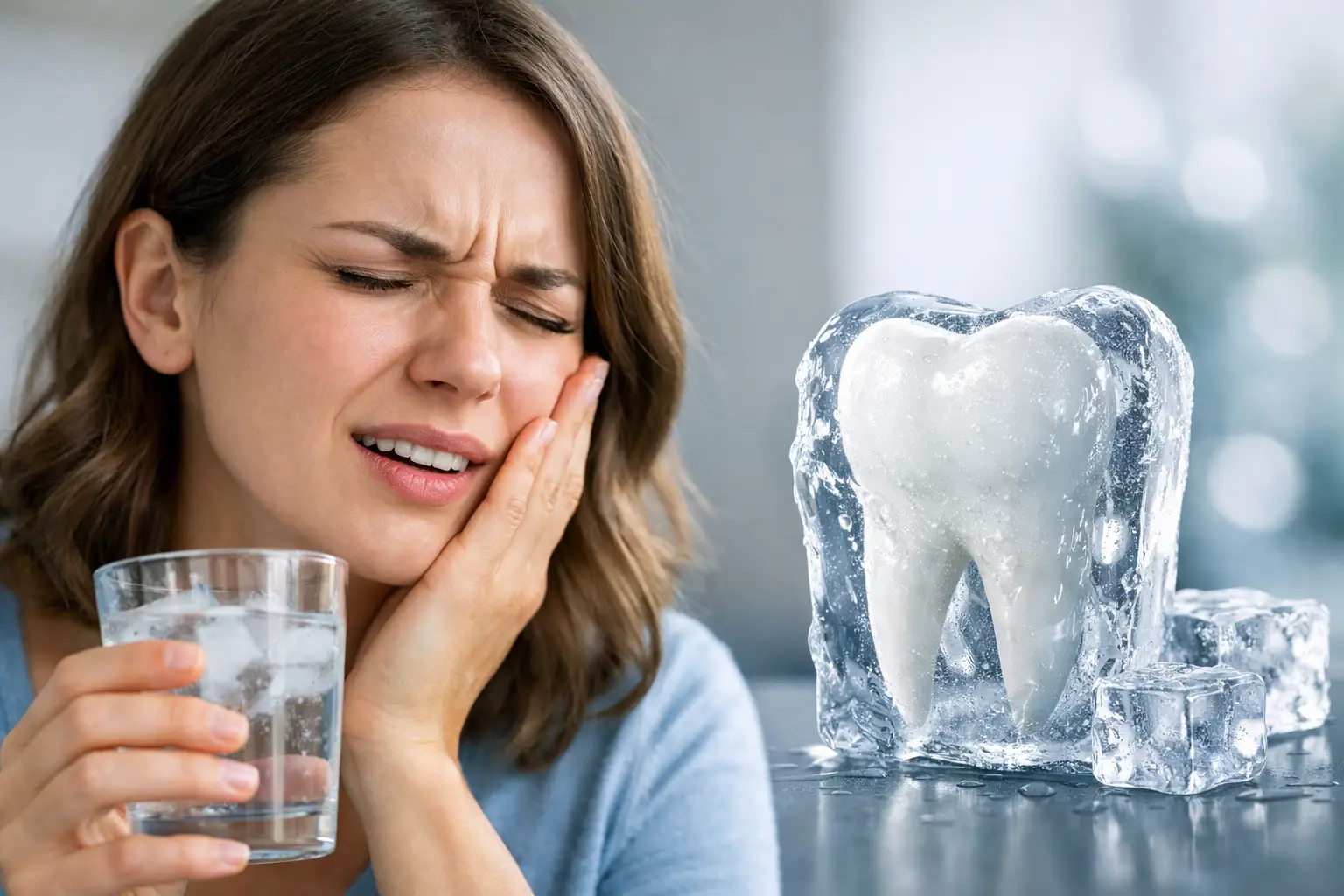
A sip of iced water should not make you brace for pain. When a tooth suddenly reacts to cold drinks, hot coffee, sweets, or even a breath of air, it can be unsettling especially if you have never experienced tooth sensitivity before.
If you are experiencing sudden tooth sensitivity in Riverside, California, the cause may be something relatively minor, such as enamel wear or gum recession, or it could be a sign of a cracked tooth, tooth decay, or inflammation affecting the nerve inside the tooth.
At Riverside Cosmetic Dentist, Dr. Ali Shmara evaluates tooth sensitivity and other dental concerns with a focus on clear explanations, comfortable care, and individualized treatment. Understanding what causes sudden tooth sensitivity can help you determine whether you should adjust your routine at home or schedule an appointment with a dentist in Riverside, California.
Sensitivity is a signal that the protective outer layers of a tooth, the gums, or the nerve inside the tooth may need attention. Some causes are minor and reversible. Others require prompt dental treatment to prevent a small concern from becoming a painful emergency.
What Causes Sudden Tooth Sensitivity?
Teeth have a hard outer layer called enamel. Beneath the enamel is dentin, a porous layer containing microscopic channels that lead toward the tooth’s nerve. When enamel wears down, the gumline recedes, a filling begins to fail, or a tooth develops a crack, temperature and pressure can travel through these channels more easily.
The result may be a quick, sharp sensation when you drink something cold, eat something sweet, breathe in cold air, or place pressure on the tooth.
The type, duration, and location of the sensitivity can provide useful clues about its cause. A brief jolt that disappears when the cold drink is gone may be associated with exposed dentin. Pain that lingers, throbs, wakes you at night, or occurs without an obvious trigger may indicate deeper inflammation or infection.
A dental examination can help determine whether the sensitivity is related to the enamel, gums, a restoration, a cracked tooth, or the nerve inside the tooth.
A Cavity or Failing Filling in Riverside, CA
Tooth decay can begin quietly and become noticeable once it reaches the dentin underneath the enamel. A cavity may allow cold temperatures, sugar, and bacteria to irritate the inner portion of the tooth.
You may also experience sensitivity when an older filling has cracked, worn down, or separated slightly from the surrounding tooth structure.
A cavity does not always look like a dark hole in the mirror. Decay can develop between teeth, underneath an existing restoration, or inside grooves that are difficult to inspect at home.
When detected early, tooth decay can often be treated with a dental filling, helping preserve more of the natural tooth structure. Waiting until decay reaches the nerve can result in more extensive treatment.
If you suspect a cavity is causing your sudden tooth sensitivity, a dentist in Riverside, California can examine the tooth and determine whether decay or a failing filling may be responsible.
A Chipped or Cracked Tooth in Riverside, CA
A tiny crack can cause surprisingly intense tooth sensitivity. Cracks may develop after biting ice, hard candy, popcorn kernels, or a bone, but they can also develop gradually in teeth weakened by large fillings, teeth grinding, or normal wear.
Some cracked teeth hurt when you release your bite. Others produce a sharp reaction to cold or hot foods and drinks.
A cracked tooth does not automatically mean the tooth needs to be removed. Depending on the size, location, and depth of the crack, treatment may include a filling or dental crown. If the crack has affected the pulp or nerve, root canal treatment may be necessary before the tooth is restored.
The sooner a cracked tooth is evaluated, the more information your dentist has to determine whether the natural tooth can be protected.
If you have sudden sensitivity combined with pain when biting or releasing your bite, schedule an evaluation with Dr. Ali Shmara at Riverside Cosmetic Dentist.
Gum Recession and Gum Disease in Riverside, CA
Your gums help protect the roots of your teeth. When gums recede, portions of the tooth root can become exposed.
Unlike the crown of a tooth, which is protected by enamel, the exposed root surface is covered by a thinner material called cementum. As this area wears away, the underlying dentin can become more vulnerable to temperature changes.
Gum recession may be associated with gum disease, aggressive brushing, clenching or grinding, tobacco use, or natural changes that occur over time.
Sudden or increasing tooth sensitivity accompanied by bleeding gums, persistent bad breath, gum tenderness, or teeth that appear longer than they used to should not be ignored.
Treating gum disease and addressing the cause of gum recession can help protect your comfort as well as the long-term health and support of your teeth.
Enamel Erosion or Brushing Too Hard
Frequent exposure to acids can soften and gradually thin tooth enamel. Common sources include:
- Soda and other acidic beverages
- Sports and energy drinks
- Citrus fruits and juices
- Wine
- Acid reflux
- Frequent vomiting
Brushing immediately after consuming acidic foods or drinks can add abrasion while the enamel is temporarily softened.
A hard-bristled toothbrush or forceful side-to-side brushing can also contribute to enamel and gumline wear over time.
To reduce unnecessary irritation, consider using a soft-bristled toothbrush and gentle brushing motions. After consuming acidic foods or drinks, waiting approximately 30 minutes before brushing can help reduce abrasion to softened enamel.
Depending on the extent of enamel wear, a dentist in Riverside, California may recommend sensitivity toothpaste, fluoride treatment, changes to your oral hygiene routine, or a protective restoration.
Recent Dental Treatment or Teeth Whitening
Temporary sensitivity can occur after a dental cleaning, filling, crown placement, teeth whitening treatment, or another dental procedure.
For example, a tooth may be mildly irritated after receiving a filling, while whitening products can temporarily make teeth more responsive to cold.
In many cases, this type of sensitivity improves within several days or a few weeks.
However, persistent or worsening sensitivity should not automatically be considered normal. If sensitivity lasts longer than expected, becomes more severe, or makes it difficult to eat or sleep, contact your dental office.
A filling or crown that slightly interferes with your bite can also place excessive pressure on a tooth. If this occurs, your dentist can evaluate the restoration and determine whether a bite adjustment is appropriate.
Teeth Grinding and Bite Pressure
Clenching or grinding your teeth can contribute to sudden sensitivity by creating small fractures, wearing down enamel, and placing stress on the tissues surrounding tooth roots.
Many people grind their teeth during sleep without realizing it. Morning jaw soreness, headaches, flattened or worn teeth, chipped edges, and unexplained sensitivity can sometimes be signs of nighttime grinding.
If teeth grinding is contributing to your sensitivity, protecting your teeth with a custom night guard may help. The appropriate approach depends on your bite, the condition of your teeth, and whether there are signs of jaw joint or muscle strain.
An over-the-counter mouthguard may provide temporary cushioning, but a poorly fitting appliance can sometimes interfere with your bite. Your dentist can determine whether a custom appliance is appropriate for you.
An Inflamed or Infected Tooth Nerve
One of the more serious causes of sudden tooth sensitivity occurs when decay, a deep crack, trauma, or repeated dental work affects the pulp—the living tissue inside a tooth.
Signs that the nerve may be inflamed or infected can include:
- Cold sensitivity that lingers after the cold stimulus is removed
- Spontaneous tooth pain
- Throbbing or persistent aching
- Sensitivity to heat
- Pain when biting
- Swelling around the tooth or gums
When the pulp becomes severely inflamed or infected, the tooth may require root canal treatment. Root canal therapy removes the diseased tissue from inside the tooth so the natural tooth can often be preserved and restored rather than extracted.
If you develop facial swelling, fever, difficulty swallowing, or difficulty breathing, seek urgent medical or emergency dental care.
When Should You See a Dentist in Riverside, California for Tooth Sensitivity?
Not every episode of sensitivity requires immediate dental treatment. However, sudden sensitivity deserves attention when it is persistent, worsening, severe, or accompanied by other symptoms.
Consider scheduling an appointment with a dentist in Riverside, California if:
- Sensitivity continues or repeatedly returns
- Cold or hot sensitivity lingers after the stimulus is removed
- You experience spontaneous tooth pain
- The tooth hurts when you bite or chew
- You notice swelling around the tooth or gums
- A tooth is chipped, cracked, loose, or damaged
- You have bleeding or tender gums
- Sensitivity makes it difficult to eat or sleep
- You recently had dental work and the sensitivity is getting worse
- You are unsure why a previously comfortable tooth has suddenly become sensitive
At Riverside Cosmetic Dentist, Dr. Ali Shmara can evaluate your teeth, gums, bite, and existing dental restorations to help identify the underlying cause of your symptoms.
Depending on the diagnosis, treatment may range from preventive care and fluoride treatment to a dental filling, crown, gum disease treatment, or root canal therapy.
The important thing is to identify why the tooth is sensitive rather than simply trying to mask the symptom.
What Can You Do for Sudden Tooth Sensitivity Before Your Appointment?
While you are waiting to have a sensitive tooth evaluated, a few simple changes may help reduce irritation.
Avoid extremely hot or cold foods and drinks, particularly on the side of the mouth where you are experiencing sensitivity. If biting causes discomfort, chew on the opposite side until the tooth can be evaluated.
You can also:
- Use a soft-bristled toothbrush
- Brush gently rather than scrubbing aggressively
- Use toothpaste formulated for sensitive teeth
- Avoid teeth-whitening products until the cause of the sensitivity is known
- Limit highly acidic foods and beverages
- Avoid chewing ice or other hard foods
- Follow the directions on any over-the-counter pain medication you use
Do not place aspirin directly against a sensitive tooth or on the gums. Aspirin can irritate or burn soft tissue and does not address the underlying cause of the tooth sensitivity.
It is also important not to assume that the problem has disappeared simply because the sensitivity temporarily goes away. Some dental problems can change how they feel over time without actually resolving.
When Does Sudden Tooth Sensitivity Need Same-Day Dental Care?
A same-day dental appointment may be appropriate when tooth sensitivity is severe, occurs with swelling, follows an injury, or prevents you from eating, sleeping, or functioning normally.
You should also seek prompt dental care if a tooth is:
- Broken or significantly chipped
- Loose
- Extremely painful when biting
- Associated with facial or gum swelling
- Producing severe or persistent pain
- Suddenly sensitive to both hot and cold
If you have facial swelling, fever, difficulty swallowing, or difficulty breathing, seek urgent medical attention or emergency dental care immediately.
Comfortable Dental Care for Tooth Sensitivity in Riverside
Dental sensitivity can be especially stressful when you do not know what is causing it. At Riverside Cosmetic Dentist, the goal is to provide clear information so you understand what is happening and what your treatment options may be.
Dr. Ali Shmara provides general, cosmetic, and emergency dental care for patients in Riverside, California. If your sensitivity is related to tooth decay, a cracked tooth, gum disease, enamel wear, grinding, or an irritated tooth nerve, the appropriate treatment depends on the underlying cause.
For patients who feel anxious about dental visits, understanding what will happen next can make the experience easier. Dr. Shmara focuses on explaining the condition, discussing appropriate treatment options, and developing an individualized plan for your dental needs.
The goal is not simply to stop the sharp sensation. It is to identify the reason behind it and protect your natural tooth whenever possible.
Frequently Asked Questions About Sudden Tooth Sensitivity
Why are my teeth suddenly sensitive to cold?
Sudden sensitivity to cold can have several causes, including exposed dentin, gum recession, enamel erosion, tooth decay, a cracked tooth, a damaged filling, recent dental treatment, teeth grinding, or inflammation inside the tooth.
If the sensitivity is persistent, worsening, or occurs without an obvious cause, schedule an examination with a dentist in Riverside, California.
Why does my tooth hurt when I drink something cold?
Cold temperatures can reach exposed dentin and stimulate the nerve inside a tooth. This can happen when enamel has worn down, gums have receded, a filling has failed, or a tooth has developed decay or a crack.
A brief sensation that disappears quickly can have a different cause than pain that continues after the cold stimulus is gone. A dental examination can help distinguish between them.
Can a cracked tooth cause sensitivity to cold?
Yes. A cracked tooth can cause sharp sensitivity to cold, particularly when the crack allows temperature changes to affect the inner structures of the tooth.
Cracked teeth can also cause pain when biting or when releasing your bite. Because cracks can worsen over time, it is important to have a suspicious tooth evaluated by a dentist.
Can a cavity cause sudden tooth sensitivity?
Yes. A cavity can cause sensitivity when decay progresses through the enamel and reaches the dentin underneath. Sensitivity may occur with cold drinks, hot foods, sweets, or pressure.
A cavity can exist without a visible dark spot or obvious hole, which is why a professional dental examination is important when unexplained sensitivity develops.
How long does tooth sensitivity after whitening last?
Sensitivity after teeth whitening is often temporary and may improve within several days. However, the duration can vary depending on the individual and the whitening treatment.
If sensitivity is severe, persistent, or getting worse, talk with your dentist before continuing whitening treatments.
Can gum disease cause sensitive teeth?
Yes. Gum disease can contribute to gum recession, exposing portions of the tooth root that are more vulnerable to temperature changes.
If sensitivity occurs along with bleeding gums, gum tenderness, persistent bad breath, or changes in the appearance of your gumline, a dental evaluation can help determine whether gum disease is contributing to the problem.
When should I see a dentist for sudden tooth sensitivity?
You should consider seeing a dentist when sensitivity persists, repeatedly returns, becomes more severe, occurs spontaneously, or is accompanied by swelling, pain when biting, a cracked tooth, or lingering sensitivity after exposure to cold or heat.
If you are in Riverside, California, Dr. Ali Shmara at Riverside Cosmetic Dentist can evaluate your symptoms and help determine the appropriate next step.
Where can I get treatment for sudden tooth sensitivity in Riverside, California?
Riverside Cosmetic Dentist – Dr. Ali Shmara provides dental care in Riverside, California, including evaluation and treatment for tooth sensitivity and conditions that may cause it, such as tooth decay, cracked teeth, gum disease, and problems affecting the tooth’s nerve.
The office is located at 4959 Arlington Ave, Suite A, Riverside, CA 92504.
Final Thoughts: Don’t Ignore Sudden Tooth Sensitivity
Sudden tooth sensitivity can be caused by something relatively manageable, such as exposed dentin or enamel wear, but it can also be a warning sign of tooth decay, a cracked tooth, gum disease, or inflammation inside the tooth.
Pay attention to what triggers the sensitivity, how long the sensation lasts, whether it is getting worse, and whether you have other symptoms such as swelling or pain when biting. These details can provide your dentist with useful clues about the underlying problem.
If sudden or persistent tooth sensitivity is affecting your daily life, an evaluation can help you understand what is causing it and what treatment options are available.
For patients looking for a dentist in Riverside, California, Riverside Cosmetic Dentist – Dr. Ali Shmara provides personalized general, cosmetic, and emergency dental care with an emphasis on clear communication and patient comfort.
Don’t wait for a sensitive tooth to become a dental emergency. Contact Riverside Cosmetic Dentist to schedule an evaluation with Dr. Ali Shmara.