If you have ever postponed a filling, crown, extraction, or even a routine cleaning because the thought of sitting in the dental chair made your stomach drop, you are not alone. One of the most common questions we hear from anxious patients is, is sedation dentistry safe for adults? The short answer is yes, for most healthy adults, sedation dentistry is considered safe when it is carefully chosen, properly monitored, and provided by an experienced dental team.
That said, safe does not mean one-size-fits-all. The right answer depends on your health history, the type of sedation being used, the length of the procedure, and how thoroughly your dentist evaluates you before treatment.
Is sedation dentistry safe for adults in real-world dental care?
For many adults, sedation dentistry can make needed care feel manageable instead of overwhelming. Patients who avoid appointments because of fear, a strong gag reflex, difficulty getting numb, sensitive teeth, or long treatment times often do very well with sedation.
Safety starts with matching the sedation method to the patient. In dentistry, that may include nitrous oxide, oral conscious sedation, or another form of dentist-supervised sedation. Each option has different effects, recovery times, and precautions. A healthy adult having mild sedation for a shorter appointment does not carry the same level of consideration as someone with sleep apnea, heart disease, or multiple medications.
When people ask whether sedation is safe, they are usually asking two things at once. First, will I be protected medically? Second, will I still feel in control? A good sedation plan addresses both. You should know what medication is being used, how deeply it is intended to relax you, what you should expect during treatment, and what recovery will look like afterward.
What makes sedation dentistry safe?
The medication itself is only one part of the picture. Safety comes from the process around it.
A careful dental office starts with a full review of your medical history, current medications, allergies, past reactions to anesthesia, and existing health conditions. This is especially important for adults with high blood pressure, diabetes, breathing issues, liver disease, kidney disease, or a history of complications with sedation.
Just as important is case selection. Some patients are ideal candidates for mild conscious sedation in a dental office. Others may need treatment modified, staged into shorter visits, or coordinated differently because of medical risk. A trustworthy dentist does not push sedation on everyone. They recommend it when the benefit is clear and the safety profile makes sense.
Monitoring matters too. During sedation, your team should be observing how you are responding throughout the appointment, not simply administering medication and proceeding as usual. That attention to detail is one reason many adults feel much more comfortable once they understand how controlled the process really is.
Types of sedation and how they differ
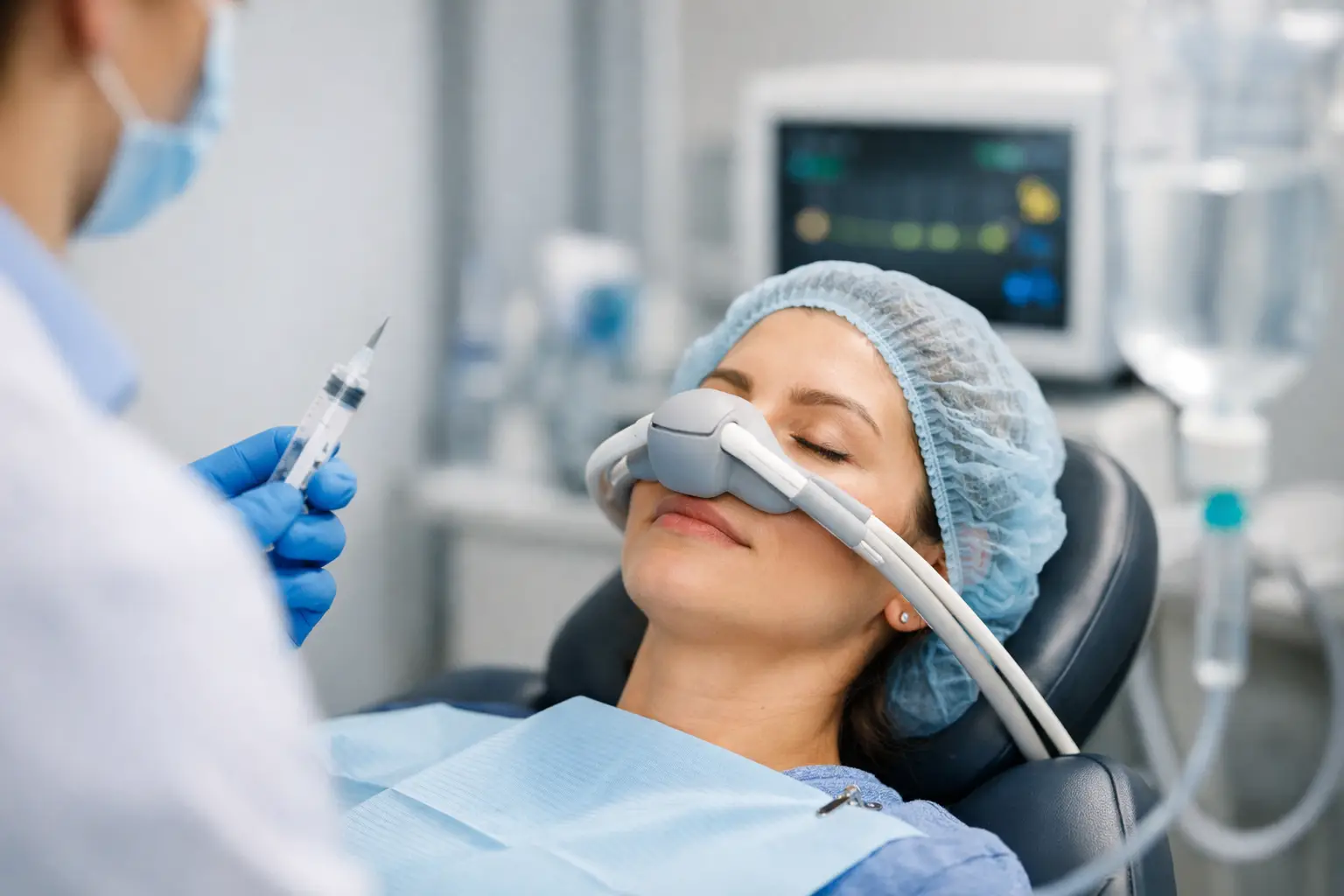
Nitrous oxide, often called laughing gas, is one of the lightest and most widely used options. It helps patients relax during treatment, and its effects wear off quickly after the mask is removed. For many adults with mild to moderate dental anxiety, this is the simplest and lowest-disruption choice.
Oral conscious sedation is usually stronger. You take prescribed medication before your appointment, and you remain awake but deeply relaxed. Many patients remember little of the procedure afterward, which can be a major advantage if fear has kept them from getting care. Because the effects last longer, you will usually need someone to drive you to and from the appointment.
The level of sedation recommended should fit the procedure and the patient, not just the patient’s nerves. A short filling appointment may call for a different approach than multiple extractions, implant treatment, or a longer restorative visit.
Who is a good candidate for sedation?
Many adults are. Sedation can be especially helpful if you have significant dental anxiety, a history of traumatic dental experiences, a low pain threshold, trouble sitting still for long appointments, or a gag reflex that makes treatment difficult.
It can also help patients complete more treatment in fewer visits. That is useful for busy adults balancing work and family, and for people who have delayed care long enough that several problems now need attention at once.
Still, candidacy is never automatic. Pregnant patients, adults with certain respiratory conditions, people taking sedating medications, and patients with untreated medical issues may need extra caution or a different plan. If you snore heavily, have sleep apnea, or take medications for anxiety, pain, or sleep, your dentist needs to know. These details are not minor. They shape what is safest for you.
When the answer is “it depends”
This is where nuance matters. If you are asking, is sedation dentistry safe for adults, the most honest answer is yes, generally, but not every method is right for every person.
For example, an otherwise healthy adult with moderate anxiety may be an excellent candidate for nitrous oxide. An adult with multiple prescriptions, uncontrolled blood pressure, and breathing problems may still be able to receive sedation, but only after a more careful review and possibly with a more limited approach.
There are also practical trade-offs. Deeper relaxation can mean a longer recovery window. Stronger sedation may help you tolerate treatment better, but it may also require stricter pre-appointment instructions, fasting guidelines, or a responsible escort afterward. Safety often comes down to following those instructions exactly.
Risks adults should know about
Every medical treatment has some level of risk, and sedation dentistry is no exception. Possible side effects can include drowsiness, grogginess, nausea, dry mouth, dizziness, or temporary memory changes depending on the type of sedation used.
More serious complications are uncommon, but the reason dentists screen carefully is to reduce the chance of problems such as breathing issues, medication interactions, or unexpected reactions. Adults sometimes assume that because sedation is used in dentistry, it is casual or light. In reality, it should be approached with the same seriousness as any medical service.
The good news is that many risks are predictable. When a dental team knows your full history, plans appropriately, and gives clear before-and-after instructions, the experience is typically very smooth. Problems are more likely when patients leave out medications, eat or drink when they were told not to, or assume supplements and over-the-counter products do not count. They do.
Questions to ask before choosing sedation dentistry
If you are considering sedation, ask direct questions. You should feel comfortable asking what kind of sedation is being recommended, why it fits your case, how you will be monitored, what you should do before the visit, and how long recovery may take.
Also ask what the alternatives are. In some cases, a gentle local anesthetic technique, a shorter appointment, or treatment broken into smaller steps may be enough. In other cases, sedation is what helps patients finally move forward with care they have needed for months or years.
Clear communication is part of safety. A practice that explains things well usually makes anxious patients feel safer because there are fewer unknowns.
Why many adults choose sedation anyway
Fear keeps a lot of adults from getting treatment until a small problem turns into pain, infection, or a more expensive repair. Sedation dentistry can interrupt that cycle. It does not just help with comfort during the appointment. It can change how people relate to dental care long term.
That matters if you have been putting off a crown, root canal, extraction, implant consultation, or a full treatment plan because it all feels like too much. Getting through one calm, well-managed visit often gives patients the confidence to stay on track with their oral health.
For adults looking for a more comfortable experience, a patient-centered office should take the time to review your options and build a plan around your needs, not rush you into treatment. If you are exploring care in the area, Riverside Cosmetic Dentist provides comprehensive dental services, including conscious sedation, with an emphasis on gentle treatment and clear communication.
Is sedation dentistry safe for adults who are nervous about losing control?
This concern is more common than people realize. Many adults are less worried about pain than they are about feeling helpless, saying something embarrassing, or not knowing what is happening.
With most forms of dental sedation used in general practice, you are not unconscious. You are relaxed, less reactive, and often less aware of time, but your team can still guide you through the appointment. For many patients, that middle ground is exactly what makes sedation feel safe rather than scary.
If the idea still makes you uneasy, say so. The best dental experiences happen when patients are honest about what they fear. Sedation is not about taking control away from you. It is about making necessary care feel possible again.
If you have been delaying treatment because of anxiety, ask questions, share your medical history fully, and let your dentist explain which option fits you best. Feeling calmer in the chair can be safe, practical, and life-changing when the plan is built around you.