
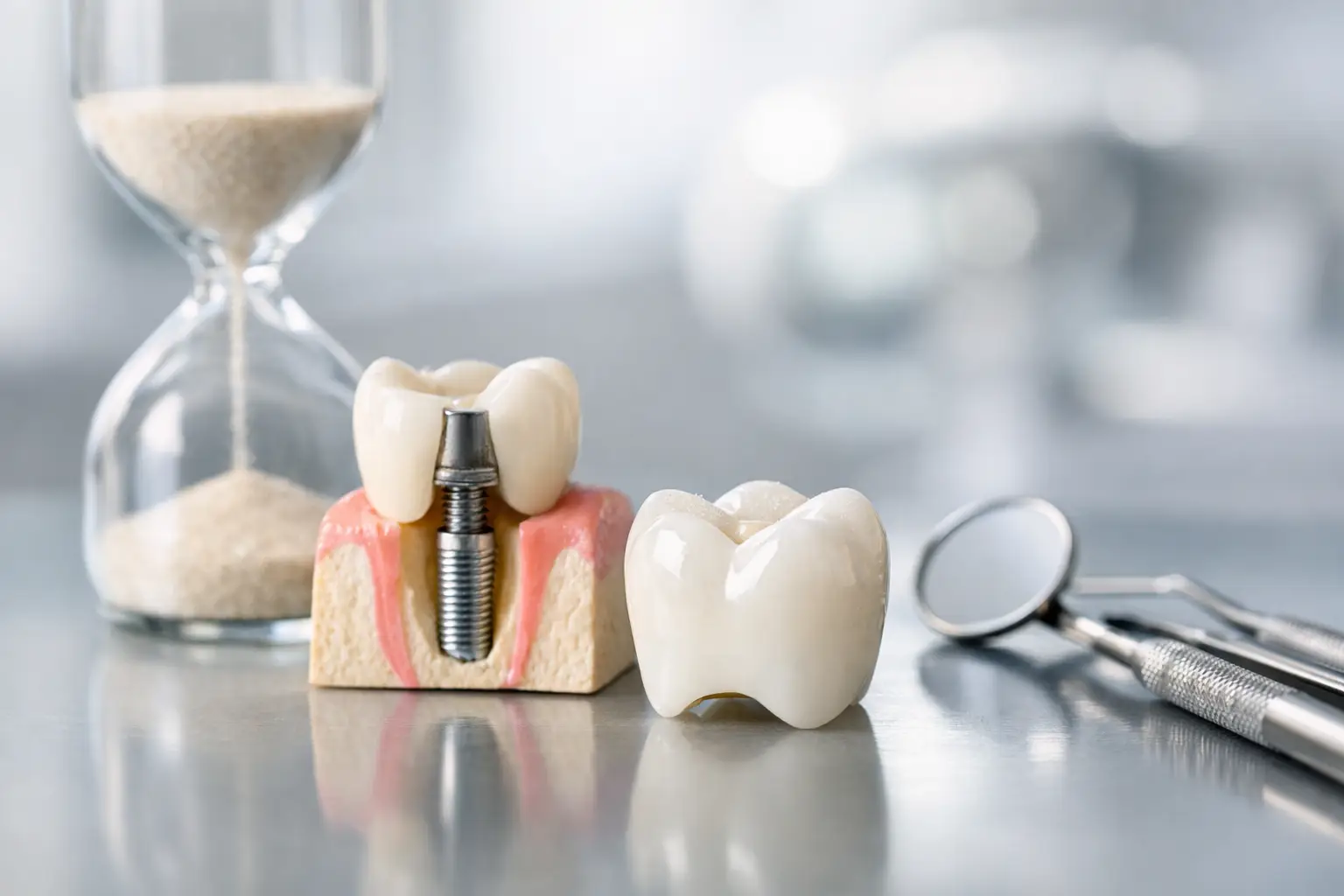
A crown can look great on day one and still fail early if the bite is off, the tooth underneath changes, or daily habits work against it. So when patients ask how long do dental crowns last, the honest answer is that most last anywhere from 5 to 15 years, and many last longer with good care, a well-planned fit, and regular dental checkups.
That range may sound broad, but crowns do not wear out on a timer. Their lifespan depends on the material, where the crown sits in your mouth, how much force it takes when you chew, and whether you grind or clench your teeth at night. The health of the tooth under the crown matters just as much as the crown itself.
How long do dental crowns last on average?
For many adults, a dental crown lasts around 10 to 15 years. Some need replacement sooner, especially if they crack, loosen, or develop decay around the edges. Others stay in place for well over 15 years and continue functioning beautifully.
A crown placed on a back molar usually works harder than one on a front tooth. Molars handle stronger chewing forces, and if you clench your jaw, those forces increase even more. Front teeth may see less pressure from chewing, but they can still chip if you bite hard foods, chew ice, or use your teeth to open packaging.
The type of crown also plays a role. Porcelain and ceramic crowns are popular because they blend naturally with surrounding teeth. Porcelain-fused-to-metal crowns can be durable and esthetic, though they may show wear differently over time. Metal crowns are often very strong, but they are less commonly chosen in visible areas because appearance matters to many patients.
What affects how long a dental crown lasts?
A crown is only one part of the picture. The supporting tooth, the surrounding gum tissue, and your bite all influence how well it holds up.
The material used
Different materials balance strength and appearance in different ways. Ceramic crowns often look the most natural, which makes them a common choice for visible teeth. Zirconia crowns are known for strength and are often used where durability is especially important. Porcelain-fused-to-metal crowns can offer a middle ground.
There is no single best option for every patient. A crown for a front tooth may be chosen differently than one for a heavily used molar. That is why treatment planning matters. A crown that suits your bite, smile goals, and tooth structure generally has a better chance of lasting.
Your bite and chewing pressure
If your bite is uneven, a crown may absorb more pressure than it should. That can lead to chipping, discomfort, or faster wear. This is one reason precision matters during placement. A crown should not just look good. It should feel balanced when you bite and chew.
Grinding and clenching can shorten crown life significantly. Many patients are unaware they do this, especially during sleep. If you wake up with jaw soreness, headaches, or worn teeth, a night guard may help protect both natural teeth and dental work.
Oral hygiene habits
Crowns do not get cavities, but the tooth underneath still can. Decay often starts where the crown meets the natural tooth, especially if plaque builds up along the gumline. Brushing twice a day, flossing carefully, and keeping regular cleanings can make a major difference.
This point surprises people. A crown can be strong and well-made, yet still fail if bacteria get under the margin. In many cases, replacement is not about the crown material breaking down. It is about protecting the tooth that supports it.
Where the crown is placed
Back teeth usually face more stress. If a crown is placed after a root canal on a weakened molar, it may be doing a big job from the start. That does not mean it will not last. It just means that chewing forces, tooth condition, and ongoing care become even more important.
The skill and planning behind the crown
A crown should fit closely, seal properly, and work naturally with your bite. If it is too high, too loose, or poorly adapted at the edges, problems can appear earlier. Careful preparation, accurate impressions or scans, and thoughtful follow-up all improve long-term results.
Signs your dental crown may need attention
Crowns rarely fail without warning. Sometimes the signs are subtle at first.
If you notice sensitivity when biting, pain around the crowned tooth, gum inflammation, a rough or chipped edge, or a crown that feels loose, it is worth having it checked. A small issue caught early may be easier to fix than a crown left in place too long after damage begins.
You may also see a dark line near the gumline on older restorations, especially with certain crown types. That does not always mean the crown has failed, but it can be a reason to evaluate both the esthetics and the seal.
Bad breath or a bad taste around one tooth can also suggest that bacteria are collecting around a loose margin. If that happens, the crown may need repair or replacement.
How to make a dental crown last longer
Most crown problems are not random. Daily habits and preventive care matter.
Brush gently but thoroughly with a soft-bristled toothbrush. Floss every day, especially around the crown margin. Try not to chew ice, bite fingernails, or use your teeth as tools. If you grind your teeth, wearing a custom night guard can protect your investment.
Regular exams are just as important as home care. A dentist can spot early wear, margin breakdown, gum irritation, or changes in the underlying tooth before they become bigger problems. Patients often think a crown is a permanent fix that never needs monitoring. In reality, crowns do best when they are part of ongoing preventive care.
Can a crown last for life?
Sometimes, yes. But it is not something any ethical dentist should promise.
Some crowns do remain in place for decades. Others need replacement after several years because the bite changes, the crown chips, the tooth underneath develops decay, or the surrounding gum and bone change over time. The phrase permanent crown means it is fixed in place, not that it will always last forever.
This is where expectations matter. A crown is one of the most reliable restorative options in dentistry, but it still lives in a demanding environment. Heat, pressure, acidity, bacteria, and daily wear all affect it.
When replacing a crown is the right move
If a crown is cracked, loose, poorly fitting, or no longer protecting the tooth well, replacement may be the best option. In other situations, the crown itself may still be intact, but the tooth under it has changed enough that the restoration no longer works safely.
A replacement crown can also be a chance to improve comfort and appearance. Dental materials and techniques have improved over time, and some patients choose to replace older crowns that look bulky, show metal at the gumline, or no longer match neighboring teeth.
For patients who feel nervous about dental work, this process should never feel rushed or confusing. Clear explanations, upfront treatment planning, and a gentle approach matter just as much as the restoration itself.
A practical answer for patients in Riverside
If you are trying to decide whether your current crown is still doing its job, or whether a new crown is worth it, the best answer comes from an exam, X-rays when needed, and a close look at your bite and gum health. A crown that seems fine from the outside can hide issues underneath, while another that looks older may still be functioning well.
At Riverside Cosmetic Dentist, patients often want the same thing – something that feels comfortable, looks natural, and lasts. That starts with careful diagnosis and continues with preventive care after placement.
If you have been wondering how long do dental crowns last, think of the crown as a long-term restoration rather than a lifetime guarantee. With the right material, precise placement, and consistent care, many crowns serve patients well for years. And when something feels off, getting it checked sooner usually gives you more options, not fewer.