A small chip on a front tooth can feel a lot bigger when you see it every time you smile. The same goes for gaps, uneven edges, stains that whitening will not lift, or teeth that just do not look as polished as you want. If you are weighing veneers or bonding for teeth, the right choice usually comes down to three things – how much change you want, how long you want it to last, and how much natural tooth structure should be preserved.
Both treatments can improve your smile. Both can look natural when planned well. But they are not interchangeable, and choosing based on price alone often leads to disappointment. A careful exam, a clear conversation about your goals, and honest treatment planning matter more than any quick online comparison.
Veneers or bonding for teeth: what is the difference?
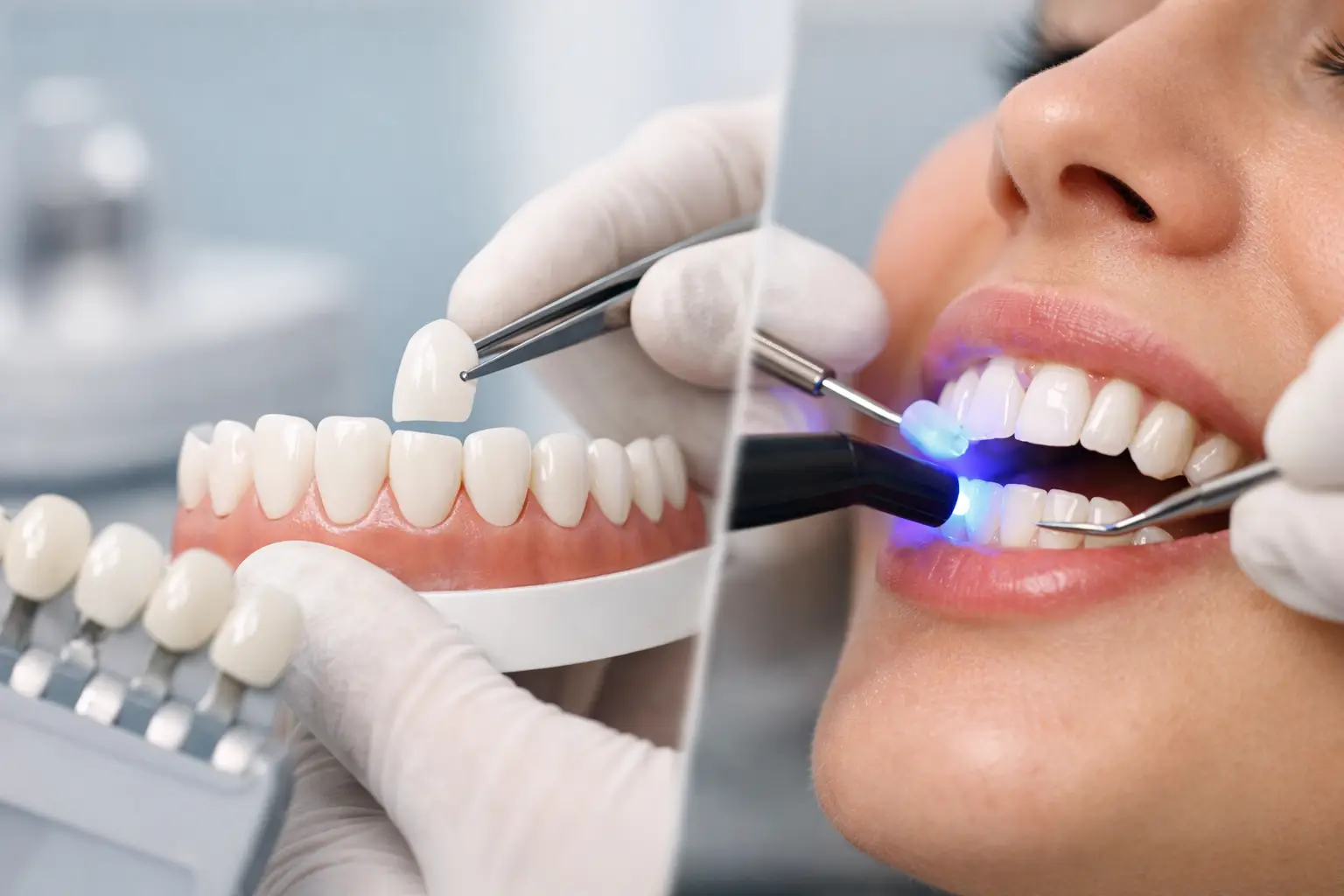
Dental bonding uses a tooth-colored resin that is shaped directly onto the tooth. It is then hardened, refined, and polished to blend with the surrounding enamel. Bonding is commonly used for minor chips, small gaps, irregular edges, and certain areas of discoloration.
Veneers are thin shells, usually made from porcelain, that cover the front surface of the tooth. They are custom designed to improve color, shape, symmetry, and overall smile balance. Veneers are often chosen when a patient wants a broader cosmetic upgrade rather than a small repair.
The simplest way to think about it is this: bonding adds and reshapes in a conservative, direct way, while veneers create a more comprehensive outer layer for a more controlled cosmetic result.
When bonding makes more sense
Bonding is often the better fit when the issue is limited and the tooth is otherwise healthy. If you have a small chip from biting into something hard, a slight space between teeth, or a corner that looks uneven in photos, bonding may be enough to fix the problem without changing the rest of the smile.
It is also appealing for patients who want a more affordable cosmetic treatment. In many cases, bonding can be completed in one visit, which makes it practical for busy adults and parents who want noticeable improvement without a more involved process.
There is also a conservative advantage. Bonding usually requires little to no removal of natural tooth structure. For younger patients or people who are not ready to commit to veneers, that can be a meaningful benefit.
Still, bonding has trade-offs. The material is not as strong or stain-resistant as porcelain. It can chip, wear down, or lose its polish over time, especially if you grind your teeth, bite your nails, chew ice, or drink a lot of coffee or red wine.
When veneers are the better option
Veneers tend to make more sense when the cosmetic concerns are larger, more visible, or spread across multiple teeth. If your teeth are worn, uneven, permanently stained, slightly misshapen, or inconsistent in size, veneers provide more control over the final look.
Porcelain also reflects light in a way that closely resembles natural enamel. That matters for front teeth, where surface texture, translucency, and color matching can make the difference between dental work that looks good and dental work that disappears into your smile.
Patients often choose veneers when they want a longer-lasting result and a more dramatic improvement. They are especially useful when whitening alone cannot correct deep internal staining, or when several small imperfections together make the smile look tired or unbalanced.
The trade-off is commitment. Veneers usually require some preparation of the tooth, and the process often takes more than one appointment. They also cost more upfront than bonding. For many patients, that investment is worth it because porcelain typically holds its appearance longer.
Cost matters, but value matters more
If you are deciding between veneers or bonding for teeth, cost is naturally part of the conversation. Bonding usually has a lower initial fee. Veneers usually have a higher one.
But the better question is not just, “What costs less today?” It is, “What will give me the result I actually want, and how often will it need maintenance or replacement?”
A patient who needs a tiny chip repaired may get excellent value from bonding. A patient who wants to change the color, shape, and symmetry of several front teeth may end up spending more over time if they repeatedly repair or replace bonding that was never the ideal treatment to begin with.
This is where a personalized consultation matters. Good treatment planning looks at your bite, habits, enamel condition, smile line, and expectations before recommending anything.
Durability and maintenance
Bonding can look very good, but it is more vulnerable to staining and wear. Depending on the location, bite pressure, and your habits, it may last several years before needing touch-ups or replacement. Some patients do well with bonding for quite a while. Others are back sooner for repairs because they clench, grind, or place heavy pressure on front teeth.
Veneers, especially porcelain veneers, generally offer better long-term durability and stain resistance. They are not indestructible, but they usually maintain their appearance better than bonding with normal care.
In both cases, maintenance matters. Daily brushing and flossing, regular cleanings, and avoiding habits like chewing pens or opening packages with your teeth help protect your investment. If you grind your teeth at night, a night guard may be recommended to protect both veneers and bonding.
Which one looks more natural?
Either option can look natural in the right hands. The key is not just the material. It is planning, shaping, color selection, and restraint.
Bonding can blend beautifully when the repair is small and the dentist is skilled at contouring and polishing. It is often an excellent option for subtle corrections where the goal is to make one tooth stop drawing attention.
Veneers usually offer more consistency when multiple front teeth are involved. Because they are crafted with precision, they can create a balanced, symmetrical result that still looks like you, just more refined.
What patients want to avoid is a smile that looks bulky, too white, flat, or artificial. That is why treatment should be tailored to your face, lip movement, natural tooth proportions, and overall goals rather than copied from a photo.
Who may not be a good candidate yet?
Sometimes the best cosmetic choice is to pause and fix underlying issues first. If you have active gum disease, untreated decay, unstable bite problems, or significant teeth grinding, those concerns should be addressed before moving forward with elective cosmetic treatment.
There are also cases where neither bonding nor veneers is the best answer. If a tooth has a large structural defect, a major fracture, or extensive old fillings, a crown may offer better support. If spacing or alignment problems are more significant, orthodontic treatment may be the smarter first step.
A trustworthy cosmetic evaluation should include that kind of honesty. Not every smile concern should be solved with the same treatment.
How to decide between veneers or bonding for teeth
Start with your goal, not the procedure name. Are you trying to fix one small issue, or are you hoping for a more complete smile upgrade? Do you want the most conservative option, or the most durable cosmetic finish? Are you looking for a short-term improvement, or a result that can hold up longer with fewer visible changes over time?
That discussion often clarifies the answer quickly. If the concern is minor and localized, bonding may be the better fit. If you want greater control over color, shape, and long-term aesthetics across visible teeth, veneers may be the stronger choice.
For patients who want clear explanations and a treatment plan that feels manageable, the next step is a thorough cosmetic consultation. A careful dentist should examine your teeth, talk through options, explain expected longevity, review costs transparently, and help you choose based on your priorities rather than pressure.
At Riverside Cosmetic Dentist, that patient-first approach matters because cosmetic dentistry is not just about making teeth look nicer. It is about helping people feel comfortable smiling again, while protecting the health and function of their teeth at the same time.
The best cosmetic treatment is the one that fits your smile, your habits, and your expectations. A beautiful result should look natural, feel comfortable, and still make sense years from now.