When chewing hurts, teeth keep breaking, or you avoid smiling in photos, the problem is rarely just one tooth. A full mouth reconstruction guide should start with that reality: this process is not about vanity alone. It is about getting your bite stable, your teeth functional, and your confidence back in a way that makes sense for your health, budget, and daily life.
For many adults, full mouth reconstruction becomes part of the conversation after years of wear, untreated decay, missing teeth, gum disease, failed dental work, or an injury. Some patients come in because they are in pain. Others are tired of patching one problem after another. Either way, the goal is the same – rebuild the mouth in a planned, personalized way rather than chasing emergencies.
What full mouth reconstruction really means
Full mouth reconstruction is a custom treatment plan that restores most or all teeth in the upper and lower arches. It often combines restorative, cosmetic, and sometimes periodontal care. That can include crowns, bridges, dental implants, dentures, fillings, root canal treatment, extractions, gum therapy, and veneers in selected cases.
The exact mix depends on what is damaged and what is still healthy. Some people need to replace several missing teeth and correct a collapsed bite. Others need to save worn teeth, treat infection, and rebuild function. There is no one-size-fits-all version, which is why a careful exam matters so much at the beginning.
Who may need a full mouth reconstruction guide
This kind of treatment is often right for adults who have multiple concerns happening at once. You may be a candidate if you have several broken or severely worn teeth, chronic jaw discomfort from a poor bite, many missing teeth, advanced decay, older crowns that are failing, or gum disease that has weakened support around the teeth.
It can also be the next step if you have been living with dentures that no longer fit well, or if you have avoided care for years and now want a realistic plan. In some cases, the need starts with an accident or a medical issue that affected oral health. In others, it is simply the result of time.
The first appointment: more planning than pressure
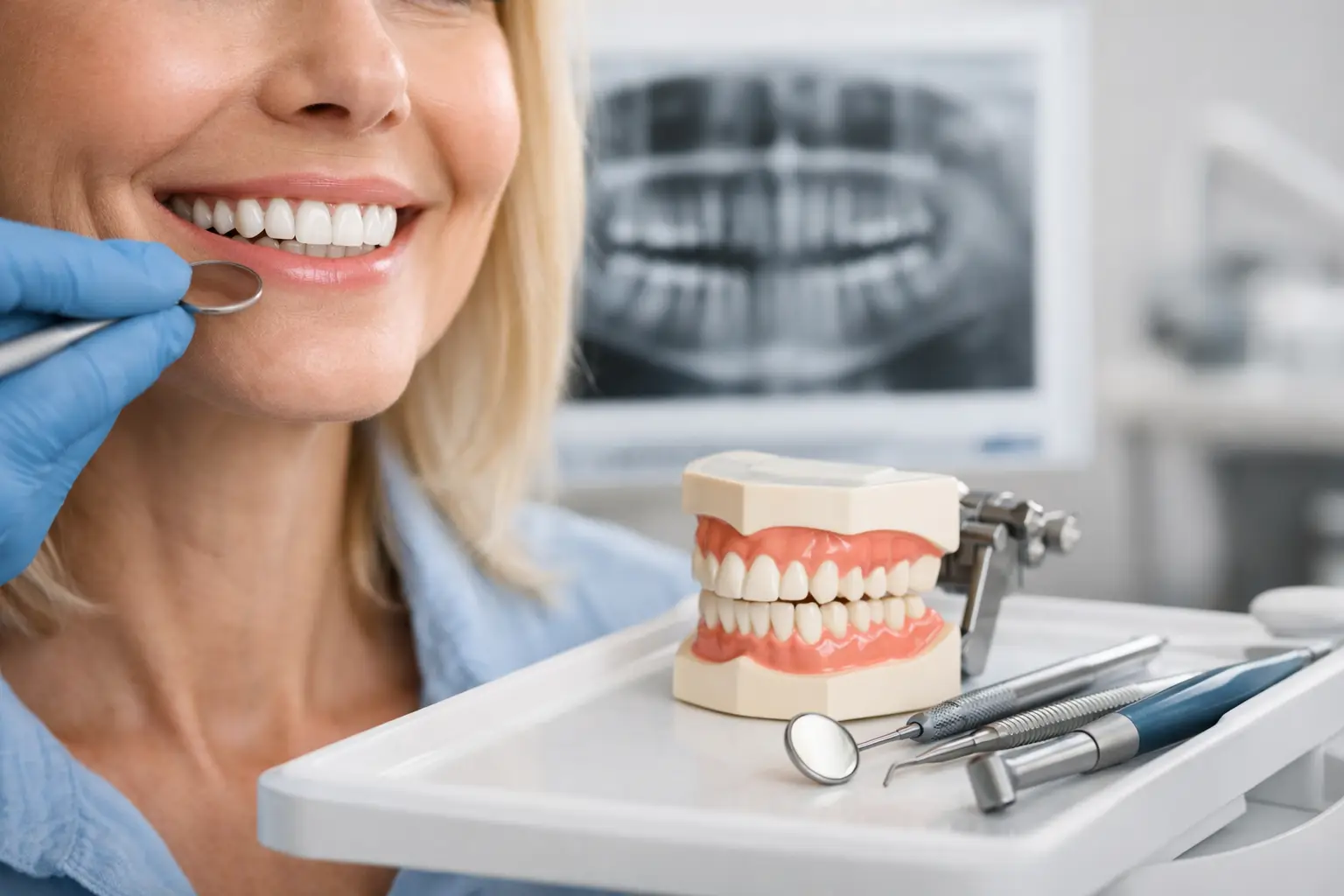
A good full mouth reconstruction starts with diagnosis, not sales. Your dentist should look at how your teeth fit together, where infection or damage is present, which teeth are restorable, how healthy your gums are, and whether the jaw joints and muscles are under strain. X-rays, photos, impressions or digital scans, and a close clinical exam help build the plan.
This first phase should also include an honest conversation about your goals. Some patients want the strongest long-term solution possible. Others need to phase treatment over time or keep costs under tighter control. Those are not minor details. They shape the order of treatment and the choices that make the most sense.
A full mouth reconstruction guide to common treatments
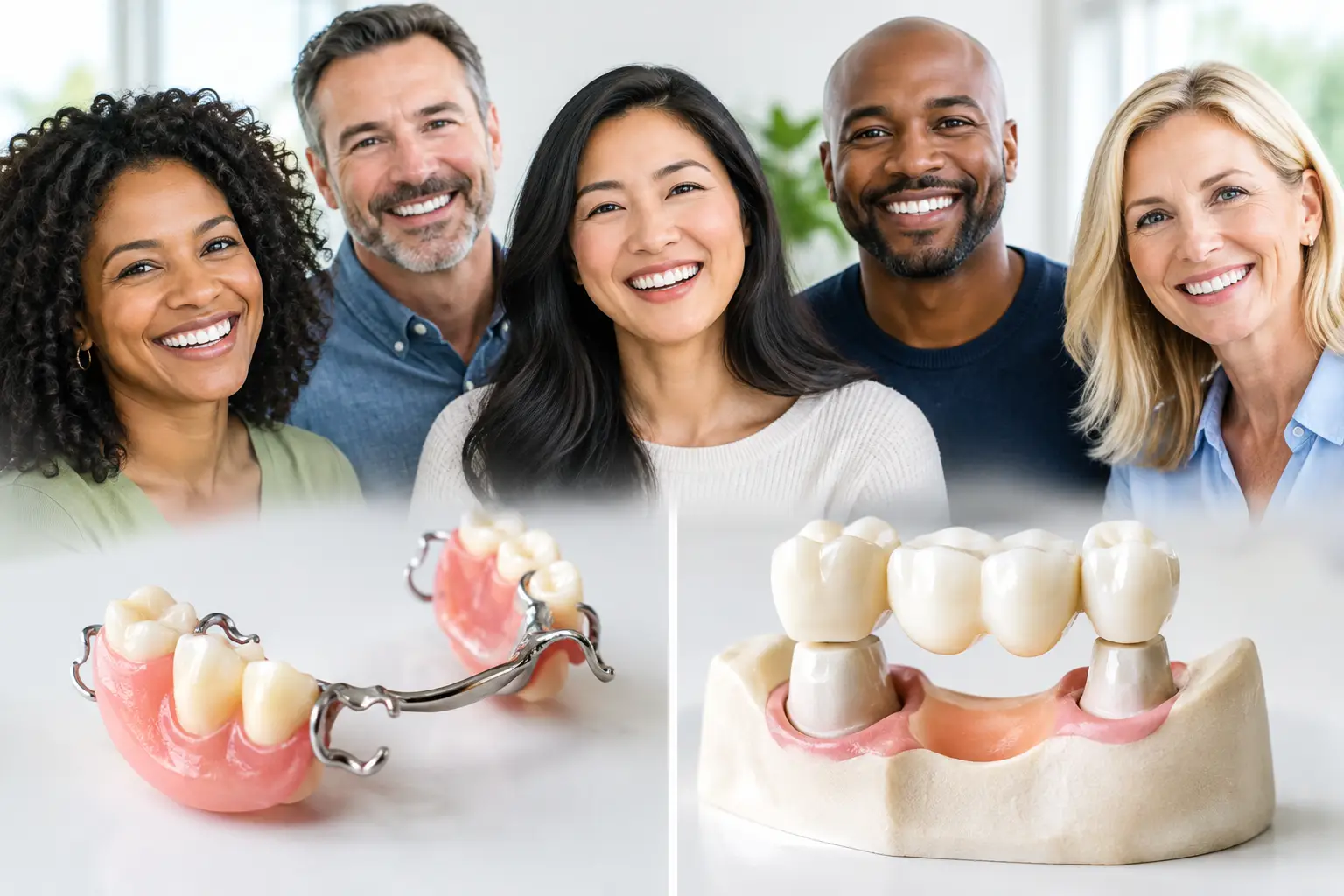
Most reconstructions involve several procedures working together. If teeth can be saved, crowns are often used to protect and strengthen them after decay, fractures, or root canal treatment. When a tooth is missing, bridges or implants may fill the space. If many teeth are missing or beyond repair, full or partial dentures may be part of the solution.
Gum treatment is sometimes the first step because healthy gums support every other restoration. If infection is present, that has to be controlled before cosmetic improvements make sense. Extractions may also be necessary when a tooth cannot be predictably saved.
Cosmetic dentistry can play a role, but usually after the foundation is stable. Veneers or bonding may be appropriate for selected front teeth when function is secure and the patient wants a more polished final result. The best reconstructions balance strength, comfort, and appearance rather than focusing on looks alone.
Why treatment order matters
One of the biggest mistakes in complex dental care is doing procedures in the wrong sequence. If the bite is unstable, placing beautiful restorations too early can lead to chipping, discomfort, or premature failure. If gum disease is active, crowns and implants may not hold up as well as they should. If infection is ignored, pain usually returns.
That is why dentists often start by removing disease and stabilizing urgent problems. Once the mouth is healthier, they can rebuild structure, replace missing teeth, and refine appearance. It may feel slower than doing everything at once, but careful sequencing usually saves time, money, and frustration later.
How long full mouth reconstruction takes
Patients often ask for a timeline, and the honest answer is: it depends. Some reconstructions can move fairly quickly when the issues are straightforward and the patient is ready to complete treatment in stages without delay. Others take several months or longer, especially if healing, implant integration, periodontal treatment, or temporary restorations are involved.
There is a trade-off here. Faster is not always better if the mouth needs time to heal or if the bite must be tested before final work is placed. At the same time, treatment should still feel organized and manageable. A clear roadmap helps patients know what happens first, what can wait, and where the biggest improvements will come from.
What about cost?
Cost is one of the most practical parts of any full mouth reconstruction guide, and it should be discussed early. Because treatment is custom, pricing varies widely based on how many teeth are involved, which procedures are needed, what materials are chosen, and whether care is completed all at once or in phases.
Implants usually cost more upfront than removable options, but they can offer better stability and long-term function in the right case. Dentures may be more affordable initially, though they may require adjustments and future replacement. Saving natural teeth can be worthwhile, but not if those teeth have a poor long-term outlook and will keep needing major repair.
This is where transparency matters. Patients deserve to understand what is essential now, what is optional, and what financing or insurance may help cover. A good treatment plan should make the numbers as clear as the clinical steps.
Comfort matters more than many patients expect
Fear keeps many people from starting treatment until things get worse. That is understandable, especially for patients who have had painful or rushed experiences before. Full mouth reconstruction can sound overwhelming, but the process often feels more manageable when each phase is explained clearly and comfort options are discussed from the start.
Gentle treatment, local anesthesia, and conscious sedation in appropriate cases can make a real difference. So can same-day availability when pain or a broken tooth pushes someone to finally seek care. Patients are more likely to follow through when they feel heard, not judged.
Choosing the right dentist for complex care
Not every dental office approaches large cases the same way. For full mouth reconstruction, look for a provider who offers comprehensive care, explains options in plain language, and has experience blending restorative function with cosmetic detail. You want precision, but you also want a team that understands anxiety, scheduling concerns, and financial questions.
For patients in Riverside, seeing a practice that handles exams, imaging, restorative treatment, cosmetic services, gum care, extractions, and tooth replacement under one roof can make the process simpler. That continuity matters when multiple steps need to work together over time.
Riverside Cosmetic Dentist approaches treatment planning with that broader view, focusing not just on repairing teeth but on creating a result that feels comfortable, looks natural, and holds up in everyday life.
Questions worth asking before you begin
Before starting treatment, ask what problems are urgent, which teeth can realistically be saved, how long each phase may take, and what the backup plan is if a tooth does not respond as expected. You should also ask how temporary restorations will work, what the final bite will feel like, and how maintenance will protect your investment.
These questions are not being difficult. They are part of making a confident, informed decision. Complex dentistry works best when the patient understands both the benefits and the trade-offs.
If you are considering major dental work, the right next step is not guessing from symptoms or delaying until another tooth fails. It is getting a thorough evaluation and a plan you can actually picture yourself completing. Relief tends to start there – with clarity, not pressure.