
A broken tooth rarely happens at a convenient time. It might start with a hard bite at dinner, a sports injury, or an old filling finally giving way. When that happens, most people want the same thing right away – to stop the pain, avoid making it worse, and figure out what can actually be saved.
If you are searching for broken tooth emergency options, the first thing to know is that not every broken tooth is the same. A small chip can often wait a short time for repair, while a crack with sharp pain, bleeding, swelling, or exposed nerve tissue needs prompt attention. The right next step depends on how much of the tooth is damaged, whether the root is involved, and how quickly you can get professional care.
Broken tooth emergency options depend on the damage
Some patients assume a broken tooth means extraction. Others hope it will somehow settle down on its own. Neither assumption is reliable. Teeth do not heal the way skin does, and the wrong delay can turn a repairable problem into a more complex one.
A minor chip that affects only enamel may be uncomfortable but manageable for a short period. A larger break can expose dentin, which often causes sensitivity to air, temperature, and pressure. If the inner pulp is exposed, the pain may be sharp, throbbing, or constant, and the risk of infection goes up quickly.
This is why emergency dental care focuses on two goals at once: relieving immediate symptoms and preserving as much healthy tooth structure as possible. In some cases, the best answer is a simple bonded repair. In others, the tooth may need a crown, root canal treatment, or removal if the fracture extends too far below the gumline.
What to do right away after a tooth breaks
Before you are seen, a few simple steps can help protect the tooth and make you more comfortable. Rinse your mouth gently with warm water to clear debris. If there is bleeding, apply light pressure with clean gauze. A cold compress on the outside of the face can help limit swelling.
If you can find the broken piece, save it and bring it with you. Sometimes it cannot be reattached, but it can still help your dentist evaluate the shape and extent of the fracture. Try not to chew on that side, and avoid very hot, very cold, sugary, or hard foods until the tooth is examined.
For pain, many adults do well with over-the-counter medication if they can safely take it. What you do not want to do is place aspirin directly on the gum or tooth. That can irritate the tissue and does not fix the source of the pain.
A temporary dental material from a pharmacy may help cover a sharp edge for a few hours or overnight, but it is not a substitute for treatment. If the tooth is visibly cracked, loose, badly broken, or causing significant pain, same-day evaluation is the safer move.
When a broken tooth is a true dental emergency
Not every chip is urgent, but some symptoms should move you to call right away. Severe pain, facial swelling, fever, bleeding that does not stop, or a broken front tooth after trauma all deserve fast attention. The same is true if the tooth has a large missing section, the nerve appears exposed, or biting pressure causes sudden pain.
Children and adults can also have a broken tooth with damage that is not obvious from the outside. A tooth may look only slightly chipped but still have a deeper crack into the root. That is one reason X-rays are often part of emergency evaluation. They help identify hidden fracture lines, infection, and damage around the tooth.
In Riverside, patients often wait because they do not want to overreact or they are worried the visit will automatically turn into a major procedure. In reality, an emergency exam is about finding the least invasive effective solution. Fast care often prevents more pain, lower cost later, and a more noticeable cosmetic problem.
Common treatments for a broken tooth
The best treatment depends on where the tooth broke, how deep the fracture runs, and whether the pulp has been affected. A small chip may be smoothed and repaired with tooth-colored bonding. This is often a good option when the damage is minor and aesthetics matter, especially in visible front teeth.
If more structure is missing, a dental crown may be the better long-term fix. Crowns are commonly used when the tooth is too weak for a simple filling or bonding alone. They restore strength, shape, and appearance while helping protect the remaining tooth from further breakage.
When the break reaches the inner nerve tissue, root canal treatment may be needed to remove inflamed or infected pulp and keep the tooth. Many people hear “root canal” and expect a difficult experience, but modern treatment is typically much more comfortable than the pain that brought them in.
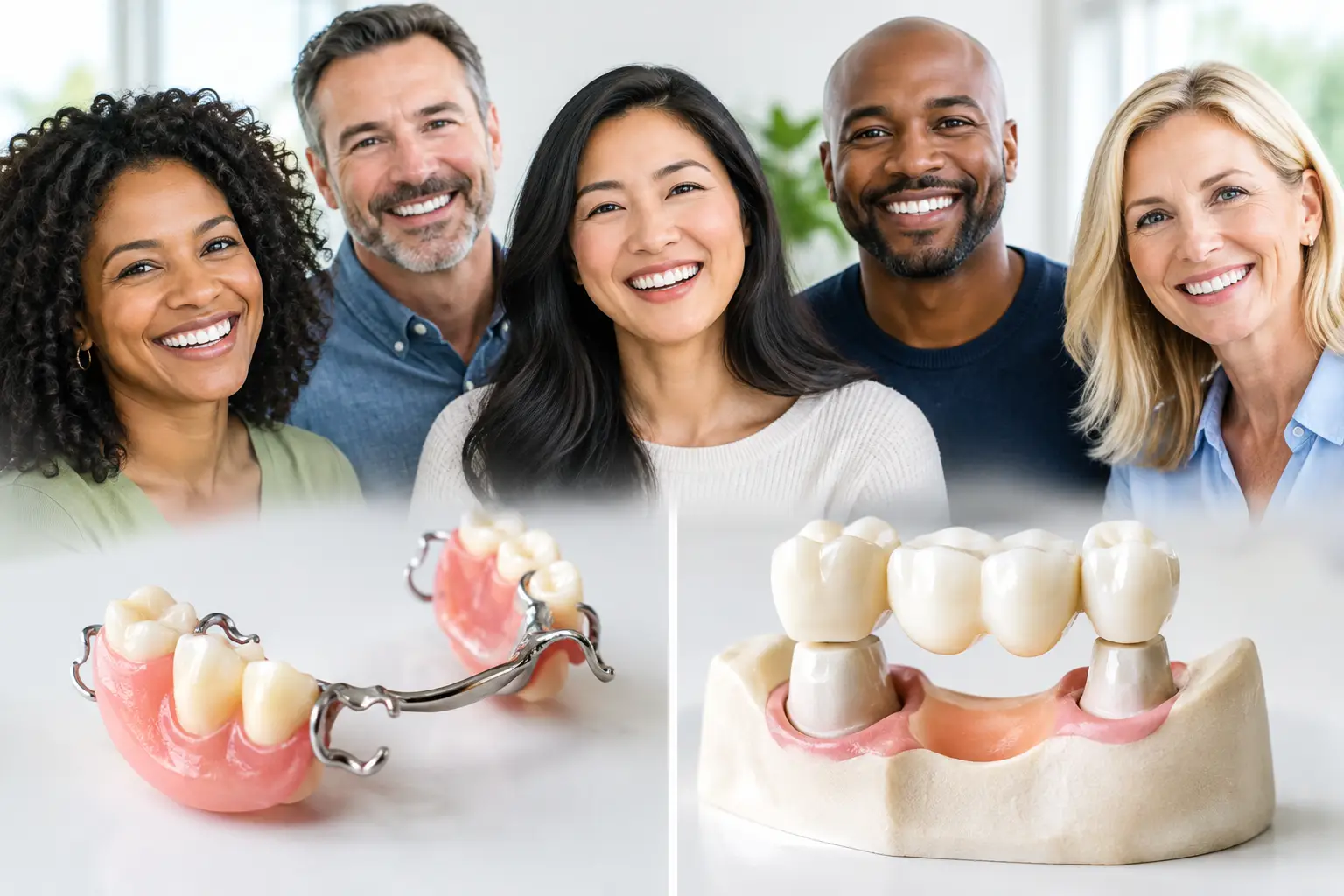
There are also cases where the tooth cannot be predictably saved. If the fracture extends deep below the gumline or splits the root, extraction may be the most appropriate option. That is never the first choice when a tooth is restorable, but sometimes it is the healthiest and most dependable path. If removal is needed, your dentist should also explain replacement options clearly, such as a bridge, denture, or implant depending on the situation.
Broken front tooth vs. broken back tooth
Location matters more than most people realize. A broken front tooth often creates immediate cosmetic stress, even when pain is limited. In those cases, bonding or a crown may be recommended not just to protect the tooth but to restore confidence quickly.
A broken back tooth tends to affect chewing first. Molars and premolars absorb heavy force, so fractures there can spread if treatment is delayed. A back tooth may feel manageable at rest but hurt sharply when you bite down. That pattern often points to a deeper crack that needs professional attention.
The trade-off is simple. Front teeth often raise appearance concerns sooner, while back teeth are more likely to be ignored until the damage becomes structurally worse. Neither should be brushed off.
Why delaying treatment can cost more later
A chipped area can become a larger fracture. An exposed inner layer can become infected. A tooth that might have needed bonding today may require a crown or root canal later if bacteria get inside or the crack widens under chewing pressure.
There is also a comfort issue. Sharp edges can cut the tongue or cheek, inflamed nerves become more painful, and swelling can develop quickly if infection starts. Waiting a day or two may be reasonable for a very small chip with no symptoms, but waiting weeks with pain rarely works out well.
This is where personalized, transparent care matters. A good emergency visit should not leave you guessing. You should understand what broke, what the realistic treatment options are, what can wait, and what should be handled now.
What to expect at an emergency dental visit
Most emergency visits for a broken tooth start with a focused exam, digital X-rays when needed, and a conversation about symptoms. Your dentist will look at the size and direction of the fracture, test the tooth’s response, and check the surrounding gums and bone.
From there, treatment may happen the same day if the situation allows. That might mean smoothing a jagged edge, placing a protective temporary, doing a bonded repair, or starting treatment to relieve pain. If the tooth needs a crown or a more involved restorative plan, you should still leave with a clear understanding of next steps and how the tooth will be protected in the meantime.
For patients who have had rough dental experiences before, this part matters. Gentle care, clear communication, and honest expectations can make an emergency feel manageable instead of overwhelming. That is especially important when you are already dealing with pain and uncertainty.
For adults and families looking for dependable care in the area, Riverside Cosmetic Dentist provides emergency treatment alongside restorative and cosmetic services, which can be helpful when a broken tooth needs both immediate relief and a natural-looking final result.
Choosing the right broken tooth emergency options
The right solution is not always the fastest patch, and it is not always the biggest procedure either. It depends on whether the tooth can be saved predictably, how much strength it has left, how visible it is when you smile, and what will hold up best over time.
That is why the most useful mindset is this: treat the problem early, protect the tooth from further damage, and choose the option that restores both function and appearance. If your tooth is broken and you are unsure whether it can wait, it is usually better to ask sooner. A timely exam can turn a stressful situation into a clear plan, and that peace of mind matters almost as much as the repair itself.