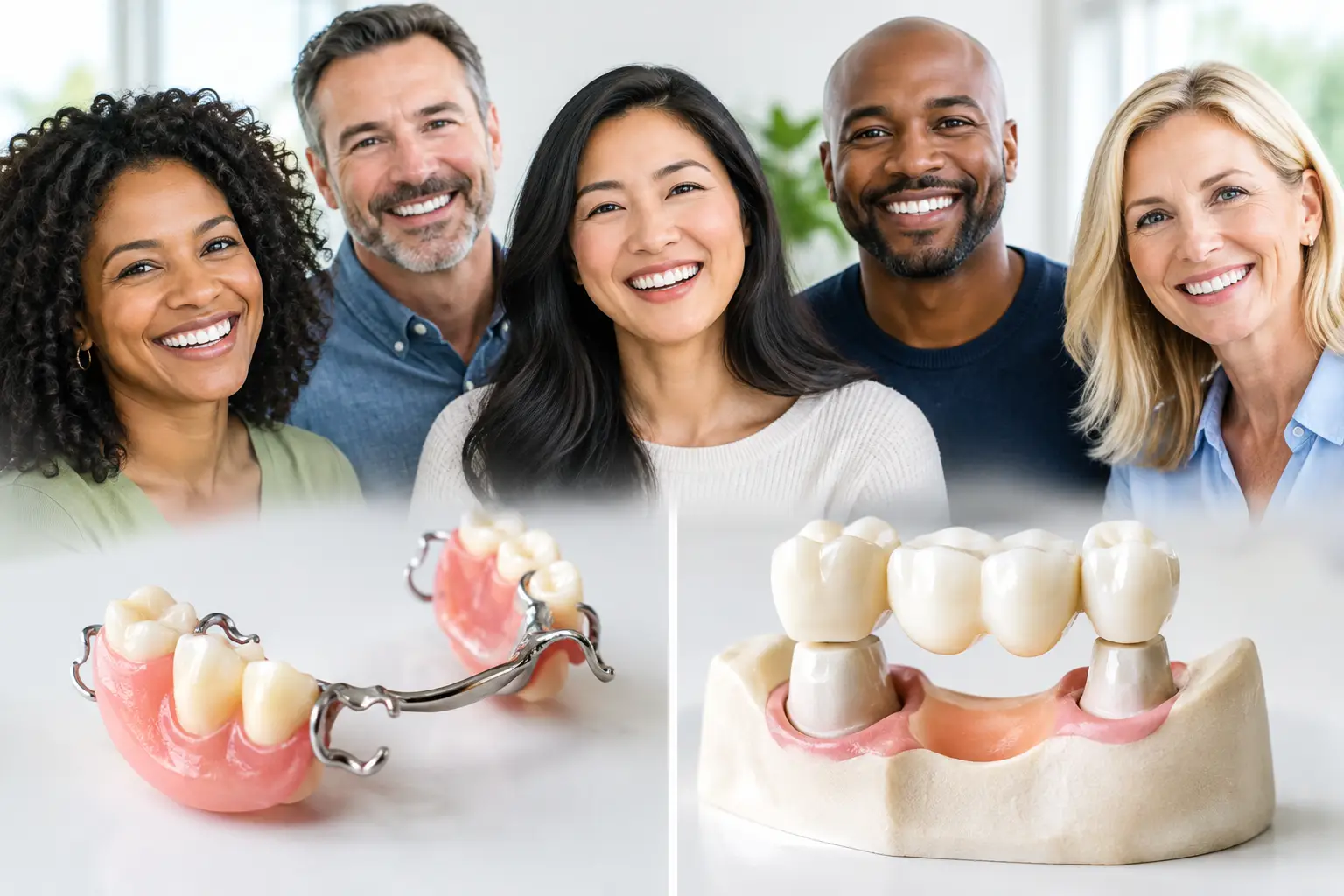

A dental crown should feel like part of your natural tooth. You should be able to chew, speak, and brush without noticing it. So if you are asking, “why does my crown feel loose,” trust that feeling and arrange a dental evaluation. A loose crown is not always painful, but it can expose the tooth underneath to bacteria, decay, or fracture if it is left untreated.
The good news is that many loose crowns can be addressed promptly and conservatively, especially when you avoid chewing on the area and seek care early. The right solution depends on whether the crown itself has loosened, the cement has failed, the tooth beneath it has changed, or the sensation is actually coming from your gums or bite.
Why Does My Crown Feel Loose?
A crown can feel loose for several reasons. Sometimes the crown moves slightly when you bite or touch it with your tongue. Other times, it may feel high, uncomfortable, or unstable even though it is still firmly attached. An exam and X-rays can help distinguish between these situations.
The dental cement may have weakened
Crowns are secured with dental cement, but that cement can gradually wear down. Years of chewing pressure, teeth grinding, sticky foods, and normal changes in the mouth can create a small opening at the crown’s edge. Once that seal is compromised, the crown may begin to shift or lift.
This does not necessarily mean the crown is damaged. If the underlying tooth is healthy and the crown still fits properly, your dentist may be able to clean it and recement it. That decision should only be made after checking for decay, cracks, and fit problems.
Decay may have developed beneath the crown
A crown covers the visible portion of a tooth, but the natural tooth structure at the gumline remains vulnerable. Bacteria can enter through a gap in the cement, especially if plaque collects around the crown margin. Decay under a crown can weaken the tooth and make the restoration feel unstable.
This is one reason a loose crown deserves attention even when there is no pain. Decay can progress quietly until it reaches the nerve or leaves too little healthy tooth structure to support the existing crown. Early treatment may save both the tooth and the restoration.
The tooth or filling underneath may have fractured
Crowns are often placed on teeth that have had large fillings, root canal treatment, or previous fractures. If the remaining tooth structure breaks beneath the crown, the crown may wobble, feel loose when you bite, or come off completely.
A small fracture can sometimes be repaired with a new buildup and crown. A deeper crack may require root canal treatment, or in more severe cases, extraction and replacement options such as an implant or bridge. The outcome depends on how far the fracture extends below the gumline.
Grinding or clenching may be stressing the crown
Many people clench or grind their teeth during sleep without realizing it. This repeated force can loosen cement, chip porcelain, crack the tooth under the crown, or create a bite that feels off. You may also notice morning jaw soreness, headaches, worn teeth, or a chipped crown.
If grinding is contributing to the problem, simply recementing the crown may not be enough. A custom night guard and bite adjustment may help protect your crown and your remaining teeth from further damage.
Food or gum irritation can mimic a loose crown
Not every strange sensation means the crown is moving. Food trapped between the crown and a neighboring tooth can irritate the gums and create pressure. Gum inflammation, recession, or tenderness around the crowned tooth can also make the area feel different.
Still, do not assume it is minor based on sensation alone. A dentist can check the crown’s stability, examine the gumline, and identify whether the issue is the restoration, the tooth, or the surrounding tissues.
What to Do If Your Crown Feels Loose
Treat a loose crown as a dental concern, not a DIY repair. Until you are seen, chew on the opposite side and avoid sticky foods such as caramel, gum, taffy, and hard candy. Hard foods, including ice and nuts, can push a partly loose crown farther out of place or damage the tooth underneath.
Keep the area clean with gentle brushing and flossing. If floss catches around the crown, slide it out through the side rather than pulling it upward, which could dislodge the restoration. Warm salt water rinses can help soothe irritated gums, but they will not fix a loose crown.
If the crown comes off, save it in a clean container and bring it to your appointment. Do not use household glue, super glue, or adhesive products to put it back on. These materials are not safe for the mouth and can make a proper repair more difficult. Temporary dental cement from a pharmacy may be appropriate in limited situations, but only as a short-term measure and ideally after speaking with a dental office.
When a Loose Crown Is an Emergency
A loose crown should be evaluated soon, but certain symptoms call for same-day dental care. Contact a dentist promptly if you have significant pain, facial swelling, fever, a bad taste or drainage near the tooth, bleeding that will not stop, or a crown that is moving enough to create a choking risk.
You should also seek urgent care if the tooth beneath the crown is sharp, cracked, or extremely sensitive to temperature. Those symptoms can indicate that the tooth is exposed or that an infection is developing. Waiting can turn a manageable repair into more extensive treatment.
At Riverside Cosmetic Dentist, patients with urgent restorative concerns can ask about same-day appointment availability. Prompt care is especially valuable when a crown has fallen out or the tooth underneath is vulnerable.
How Your Dentist Will Fix a Loose Crown
Your visit usually begins with a close examination of the crown, tooth, bite, and gums. X-rays may be recommended to look for hidden decay, infection, bone changes, or damage beneath the crown. Your dentist will also check whether the crown still fits accurately and whether it can be safely reused.
If the tooth is healthy and the crown is intact, recementing may be the simplest solution. If decay is present, the dentist will remove the decay and rebuild the tooth before determining whether the existing crown can be reused. When a crown no longer fits, is cracked, or has poor margins, replacing it is often the better long-term choice.
If the tooth needs root canal treatment, that procedure may be completed before a new crown is made. If the tooth cannot be restored, your dentist can explain replacement options clearly, including a bridge, denture, or dental implant. There is no one-size-fits-all answer, because the best choice depends on your tooth structure, gum health, bite, appearance goals, and budget.
Can You Prevent a Crown From Loosening Again?
Good home care protects the edges of a crown and the natural tooth beneath it. Brush twice daily with fluoride toothpaste, clean between teeth every day, and keep regular professional cleanings and exams. Crowns do not get cavities, but the tooth supporting them can.
It also helps to avoid using your teeth as tools to open packages or bite nails. If you grind your teeth, wear the night guard your dentist recommends. And if you notice a crown feels different, catches floss, or causes discomfort when chewing, schedule a visit before it becomes a bigger problem.
For patients in Riverside and nearby communities, Riverside Cosmetic Dentist provides comprehensive crown evaluation and restorative care with a focus on comfort, clarity, and natural-looking results. You can also review the practice’s Riverside, California location information and Dr. Ali Shmara’s dentist profile when choosing a local provider you can trust.
A crown that feels loose is your cue to act early, not to panic. Protect the area, avoid temporary shortcuts, and let a dentist identify what is happening beneath the surface so you can get back to eating and smiling comfortably.