That sharp, throbbing toothache that keeps you awake at 2 a.m. usually leads to one urgent question: root canal vs extraction – which one is the better choice? The answer depends on the condition of the tooth, your overall oral health, your budget, and what will give you the best long-term result, not just the fastest short-term relief.
If you are dealing with pain, swelling, or a badly damaged tooth, it helps to know that these two treatments solve different problems in different ways. One aims to save your natural tooth. The other removes it entirely. Both can be the right decision, but they are not interchangeable.
Root canal vs extraction: the basic difference
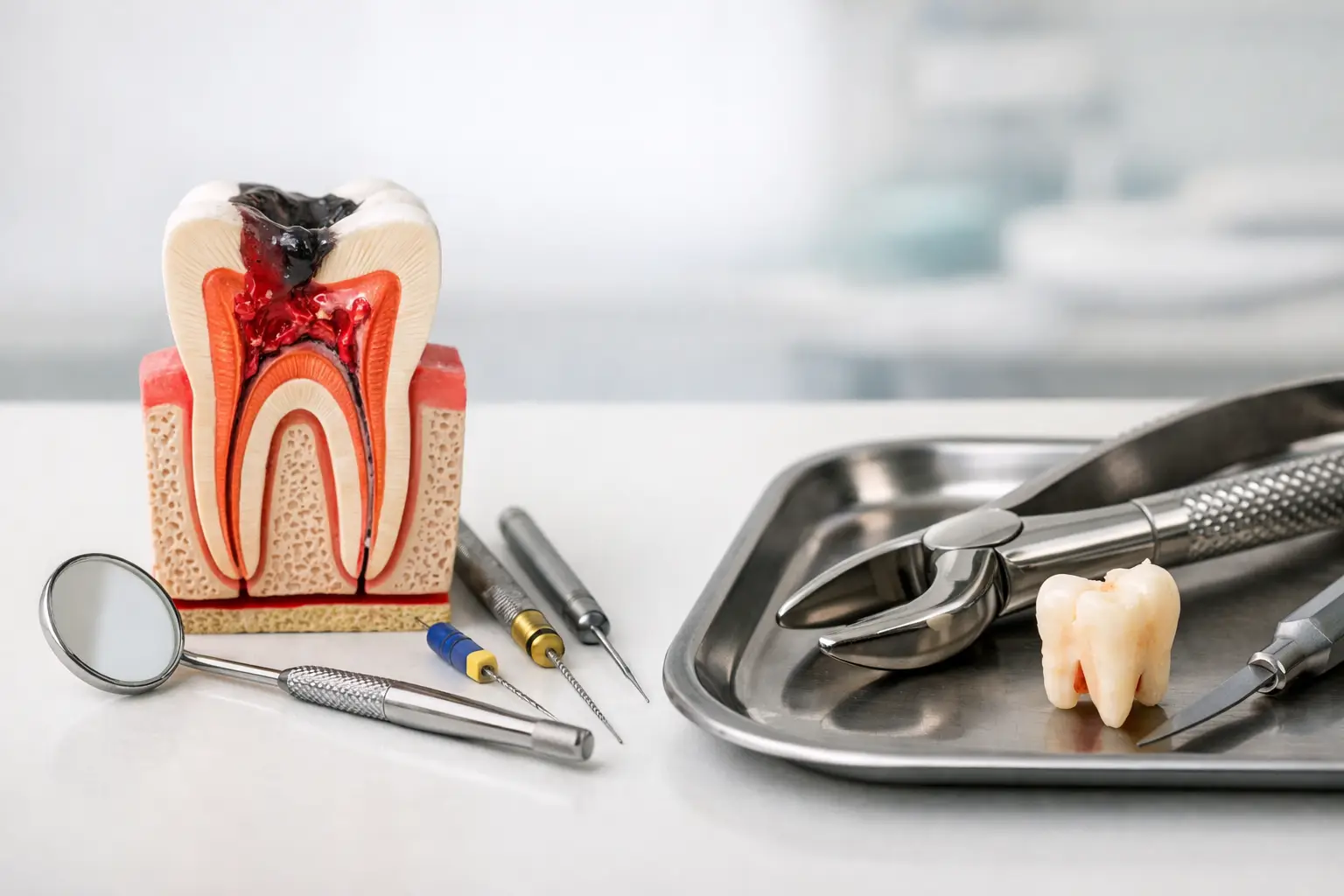
A root canal is used when the inside of the tooth, called the pulp, is infected or inflamed but the tooth can still be saved. During treatment, the infected tissue is removed, the canals are cleaned and sealed, and the tooth is usually protected with a crown afterward. The goal is to keep your natural tooth in place and restore normal function.
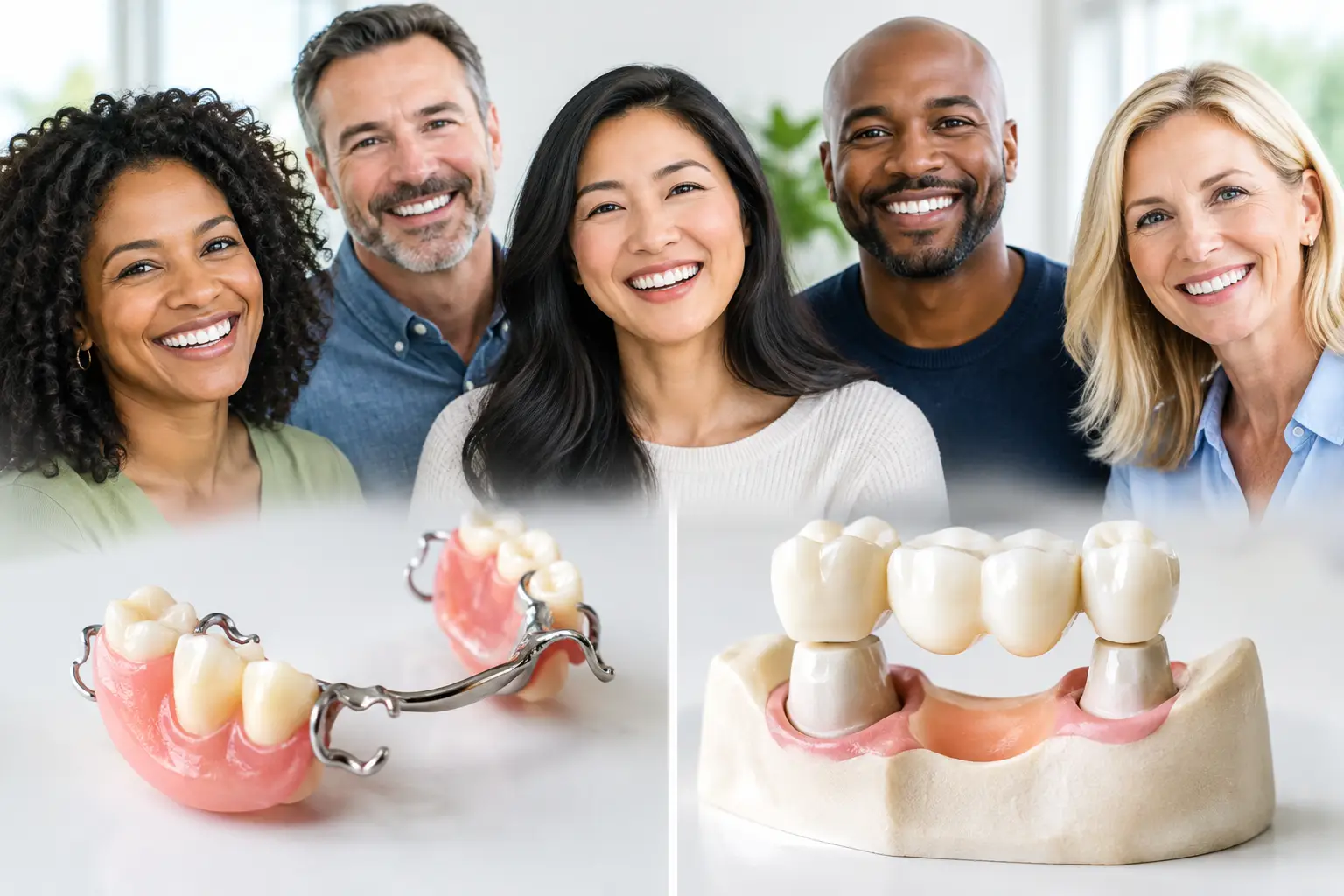
An extraction removes the entire tooth from the mouth. This may be necessary when the tooth is too damaged to repair, has severe bone loss, is cracked below the gumline, or poses a risk to surrounding teeth and gums. Extraction can stop infection and pain, but it also creates a gap that often needs to be addressed later with a bridge, denture, or implant.
That difference matters more than many patients realize. Saving a tooth and replacing a tooth are very different treatment paths, both clinically and financially.
When a root canal is usually the better option
In many cases, dentists prefer to save a natural tooth when it is realistic to do so. Your own tooth is still the best match for your bite, chewing pattern, and jaw alignment. A successful root canal can let you keep that tooth for many years.
A root canal often makes sense when the tooth has deep decay, a large filling that has failed, trauma to the tooth, or an infection that has reached the nerve. If enough healthy tooth structure remains and the surrounding bone and gums are stable, preserving the tooth is often the more conservative choice.
Patients are sometimes surprised to hear that a root canal is not really about pain. It is about removing infection while keeping the tooth. In fact, the severe pain people associate with root canals usually comes from the infection itself, not the treatment. With modern numbing techniques and gentle care, treatment is typically much more manageable than people expect.
There are practical advantages too. Keeping the tooth helps maintain spacing, supports normal chewing, and avoids the chain reaction that can happen after tooth loss. Nearby teeth can begin to shift. Opposing teeth can over-erupt. The bite can change slowly over time.
When extraction may be the smarter choice
There are times when saving the tooth is simply not the best option. If the tooth is fractured in a way that cannot be restored, if decay extends too far below the gumline, or if there is severe periodontal damage, extraction may be the healthier and more predictable choice.
This can also be true when a tooth has had repeated problems despite prior treatment, or when the cost and complexity of saving it would still leave a poor long-term prognosis. In those situations, removing the tooth and planning a strong replacement can be more sensible than trying to hold onto a tooth that is unlikely to last.
Some patients also choose extraction for personal reasons. They may want a faster upfront solution, or they may not want to invest in saving a tooth that already has extensive damage. That choice is not always wrong, but it should be made with a clear understanding of what comes next.
Extraction is rarely the end of the story unless the tooth is a wisdom tooth or another tooth that does not need replacement for function. For most visible or chewing teeth, replacement matters.
Pain, recovery, and what to expect
Many patients assume extraction is easier than a root canal. Sometimes it is, but not always.
A root canal usually involves numbing the area, cleaning the inside of the tooth, and restoring it. Most patients return to normal activities quickly, with mild soreness for a few days. The tooth may feel tender, especially if the infection was significant, but recovery is often straightforward.
An extraction can also be routine, especially when the tooth is already loose or easy to access. But removing a tooth creates a surgical site that has to heal. That can mean bleeding, swelling, soreness, dietary restrictions, and the need to protect the area from complications like dry socket.
So if your comparison is based only on which treatment sounds more intense, appearances can be misleading. A root canal may sound more involved, but preserving the tooth can actually lead to an easier overall recovery than removing it and then replacing it later.
Cost is more than the first bill
For many families, cost is a major factor in the root canal vs extraction decision. That is completely understandable. Dental treatment needs to make medical sense, but it also has to fit real life.
An extraction usually costs less upfront than a root canal with a crown. That is why some patients initially lean toward removal. But the long-term cost can be higher if you replace the tooth with an implant, bridge, or denture. Once you factor in replacement, extraction is often not the cheaper route.
A root canal may involve a bigger initial investment, especially if a crown is needed afterward, but if the tooth can be saved predictably, it may offer better value over time. You keep the natural tooth, avoid a gap, and reduce the need for more extensive restorative work.
The right financial comparison is not root canal versus extraction alone. It is root canal and restoration versus extraction and replacement.
Long-term function and appearance
Natural teeth do more than fill space. They help distribute bite forces, preserve jawbone stimulation, and maintain the look and feel of your smile. That is one reason dentists generally try to save teeth whenever possible.
A tooth that has had a root canal can function very well for years, especially when restored properly and maintained with regular care. It is not an artificial substitute. It is still your tooth, just treated and reinforced.
After extraction, the missing tooth can affect chewing efficiency and appearance, especially in visible areas. Bone loss in the jaw can begin over time where the tooth was removed. That may influence facial support and future treatment options. If replacement is delayed too long, the process can become more complex.
This does not mean extraction is a bad choice. It means the replacement plan should be part of the conversation from the beginning.
Root canal vs extraction: what your dentist looks at
A careful diagnosis matters more than general advice online. Two painful teeth can look similar to a patient and require completely different treatment.
Your dentist will evaluate how much healthy tooth structure remains, whether the roots are intact, the size and location of the infection, the condition of the surrounding gum and bone, and whether the tooth can be restored in a durable way. Bite forces matter too. A back molar under heavy chewing pressure may need a different strategy than a front tooth.
Your medical history, symptoms, timeline, and goals also matter. If you are trying to stop severe pain fast before a work trip, that affects planning. If you have dental anxiety and have delayed care for months, comfort and trust become just as important as the technical steps.
For patients in Riverside who want clear answers without pressure, that conversation should feel straightforward. You should understand what can be saved, what cannot, what each option costs, and what the next step will look like.
The best choice is the one with the best prognosis
There is no single winner in the root canal vs extraction debate. If a tooth can be saved predictably, keeping it is often the better path. If the tooth is too compromised, extraction may protect your health and set you up for a stronger restoration.
The key is not choosing the treatment that sounds simplest in the moment. It is choosing the option that gives you the healthiest, most stable result six months from now and six years from now.
If you are dealing with tooth pain, infection, or a damaged tooth, do not wait for it to settle on its own. Problems like this usually get more expensive and more uncomfortable with time. A thoughtful exam can tell you quickly whether saving the tooth makes sense or whether removal is the more dependable path.
The best dental decisions are rarely about doing less. They are about doing what gives you the best chance to feel comfortable, chew normally, and keep your smile strong going forward.