
Teeth rarely wear down overnight. You may first notice that your front teeth look shorter in photos, a once-smooth edge feels jagged, or hot coffee suddenly causes sensitivity. For many patients, the bigger concern is that their smile no longer looks like them. Understanding how to restore worn teeth starts with identifying why the enamel changed, then choosing treatment that protects your bite as well as your appearance.
Wear can often be treated beautifully, but the right solution is not always the most extensive one. Some patients need simple bonding on a few edges. Others need crowns, veneers, or a carefully planned full-mouth restoration. A thoughtful examination keeps treatment conservative where possible and comprehensive where necessary.
Why teeth wear down
Enamel is extremely strong, but it is not indestructible. Normal aging can cause mild wear, yet significant flattening, chipping, or shortening usually has an underlying cause. Bruxism – clenching or grinding your teeth, often during sleep – is one of the most common. The constant pressure can wear chewing surfaces flat, fracture old fillings, and make teeth look smaller over time.
Acid is another major factor. Frequent reflux, vomiting, acidic drinks, citrus, and even sipping sparkling water throughout the day can soften enamel. Once softened, enamel wears away faster from brushing, chewing, or grinding. Bite misalignment can also concentrate force on a few teeth rather than distributing it evenly.
Sometimes, worn teeth are a combination problem. A patient may have mild grinding plus acidic reflux and older dental work that no longer fits the bite correctly. That is why treatment should begin with diagnosis, not a quick cosmetic fix.
How to restore worn teeth: start with the cause
At an exam, your dentist evaluates more than the visible tooth surface. They look for patterns of wear, cracks, gum recession, decay, old restorations, jaw muscle tenderness, and changes in how your upper and lower teeth meet. X-rays and photographs may help reveal problems that are not obvious in the mirror.
This assessment matters because restoring a worn edge without controlling nighttime grinding can lead to another chip. Placing a crown on a tooth affected by untreated acid erosion may not address the surrounding teeth that are also at risk. If reflux is suspected, your dentist may recommend speaking with your physician while providing dental protection for the damage already present.
A clear treatment plan should explain which teeth need attention now, which can be monitored, what each option costs, and how the plan supports your long-term bite. You should never feel pressured to choose a treatment before you understand its purpose.
Conservative options for mild to moderate wear
Dental bonding
Composite bonding uses tooth-colored resin to rebuild small chips, worn corners, and uneven edges. It is often a practical choice when enamel loss is limited and the tooth structure is otherwise healthy. Bonding can improve shape and symmetry in one visit, typically with little to no removal of healthy enamel.
The trade-off is durability. Bonding can stain, chip, or wear sooner than porcelain, particularly for patients who grind their teeth or bite hard foods with their front teeth. A night guard can help protect the result.
Veneers
Porcelain veneers cover the front surface of teeth and can restore length, shape, color, and balance across the smile. They may be appropriate when front teeth are visibly shortened or worn and the goal is a more lasting cosmetic change. Modern veneers can look highly natural when their shape, translucency, and shade are planned carefully.
Veneers are not automatically the right answer for every worn tooth. They require preparation in many cases, and they may be a poor fit when active grinding is severe or when wear affects the back teeth and bite support. The bite must be stable enough to protect them.
Dental crowns
A crown covers the entire visible portion of a tooth. It is often recommended when wear has left a tooth weak, cracked, heavily filled, or too damaged for bonding alone. Crowns can restore chewing function and protect remaining tooth structure while matching the color of neighboring teeth.
Crowns are more extensive than bonding or veneers because the tooth must be shaped to make room for the restoration. They are often the most reliable option for back teeth that have lost substantial height or for teeth with fractures, root canal treatment, or large failing fillings.
When several teeth need rebuilding
Advanced wear can change the way your jaws close. Teeth may become shorter, the bite can feel collapsed, and chewing may become less efficient. Some patients develop jaw fatigue, headaches, frequent chipping, or a smile that appears older because less tooth shows when they speak.
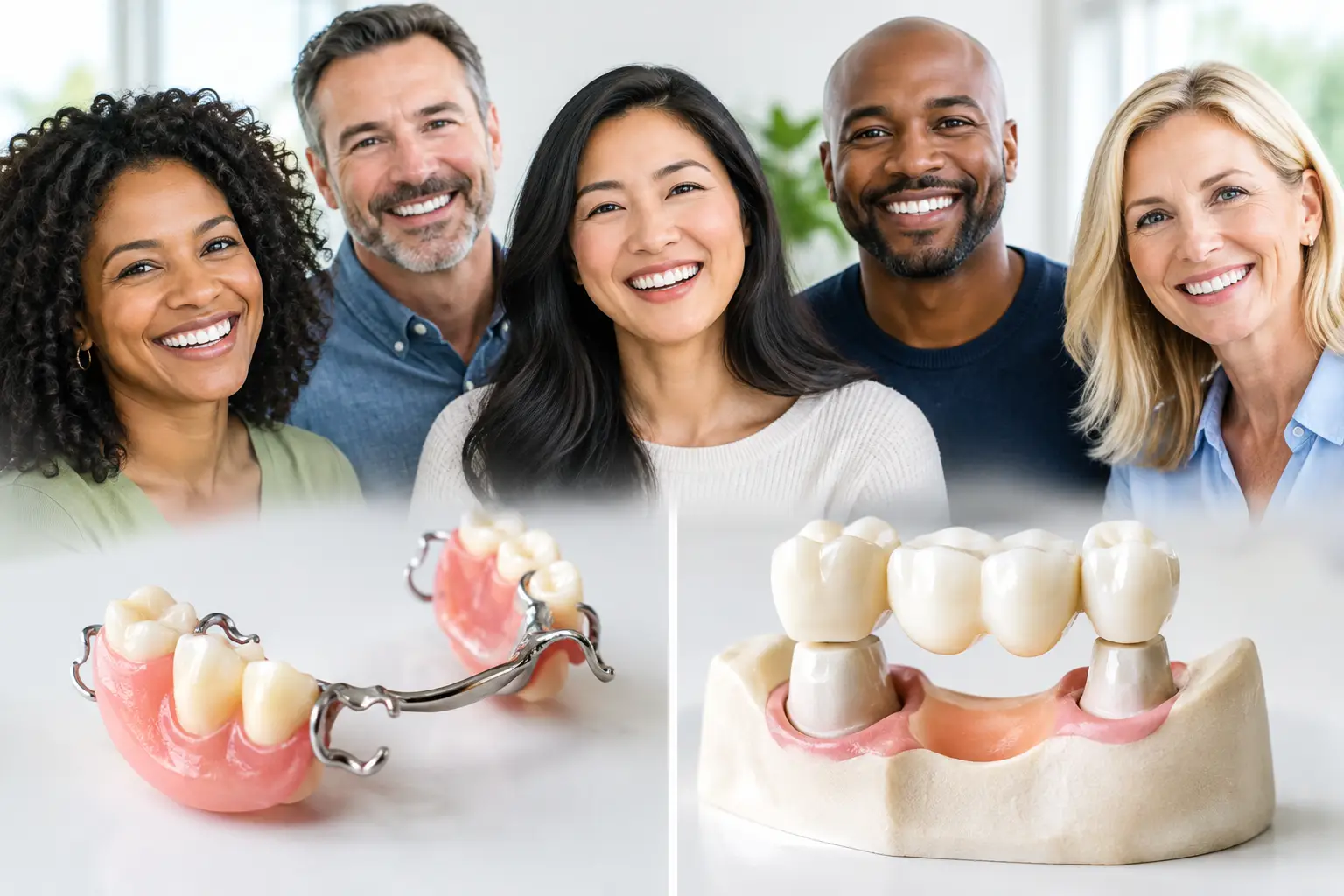
In these cases, a dentist may recommend a phased full-mouth rehabilitation. This does not always mean placing crowns on every tooth. The plan might combine crowns on damaged back teeth, veneers or bonding on visible front teeth, replacement of missing teeth with implants or bridges, and adjustment of the bite so forces are distributed more evenly.
The process takes careful planning. Your dentist may use models, digital scans, photographs, and a temporary preview to test the proposed tooth shape and bite before final restorations are placed. This extra step is valuable because a healthy restoration should feel natural to speak with, chew with, and live with – not simply look good in a single photo.
Protect your restored smile
Restoration is only half the plan. Protecting your new dental work helps it last. If you clench or grind, a custom night guard is often one of the best investments you can make. Unlike an over-the-counter guard, a professionally made appliance is designed for your bite and should be checked periodically for fit and wear.
Daily habits matter, too. Avoid chewing ice, opening packages with your teeth, and using restored front teeth to bite hard objects. If acid exposure is part of the problem, rinse with water after an acidic episode and wait about 30 minutes before brushing. Brushing immediately after acid exposure can scrub softened enamel more aggressively.
Regular cleanings and exams allow your dentist to spot small chips, loose restorations, gum inflammation, and bite changes before they become more expensive problems. If you notice a sudden crack, pain when biting, or a restoration that feels high, schedule an appointment promptly rather than trying to wait it out.
What treatment feels like
Many people postpone care because they expect worn-tooth treatment to be uncomfortable or complicated. Your appointment should feel organized and manageable. Depending on the procedure, local anesthetic can keep treatment comfortable, and conscious sedation may be available for patients with significant anxiety or longer visits.
A good dental team also understands that comfort includes communication. You should know what will happen during the appointment, how long it may take, what temporary restorations will feel like, and how to care for your teeth afterward. For patients who have had difficult past dental experiences, this level of clarity can make returning to care feel possible.
Riverside Cosmetic Dentist provides personalized restorative and cosmetic care for patients who want both a healthier bite and a confident-looking smile. Patients can also learn more about the Riverside, California office and Dr. Ali Shmara before scheduling an evaluation.
Worn teeth do not have to be accepted as an unavoidable part of getting older. Whether the answer is a small bonded repair, a protective crown, or a broader bite restoration, the most helpful next step is a detailed exam that explains what caused the wear and gives you realistic choices for moving forward.