A missing tooth changes more than your smile. It can make chewing feel uneven, affect the way you speak, and put extra pressure on the teeth that are still doing all the work. If you are wondering how to replace missing teeth, the right answer depends on where the gap is, how many teeth are missing, your jawbone health, and what matters most to you – comfort, appearance, long-term value, or speed.
For many patients, the hardest part is not the treatment itself. It is figuring out which option actually fits their life. Some want the most natural feel possible. Some need a practical solution now and may upgrade later. Some have had bad dental experiences before and want a clear plan without surprises. That is why tooth replacement works best when it is personalized, not one-size-fits-all.
Dr. Ali Shmara’s office is located on Arlington Ave in the Arlington district, making it easily accessible for patients coming from Downtown Riverside, Canyon Crest, Orangecrest, Wood Streets, La Sierra, and Mission Grove
How to replace missing teeth based on your needs
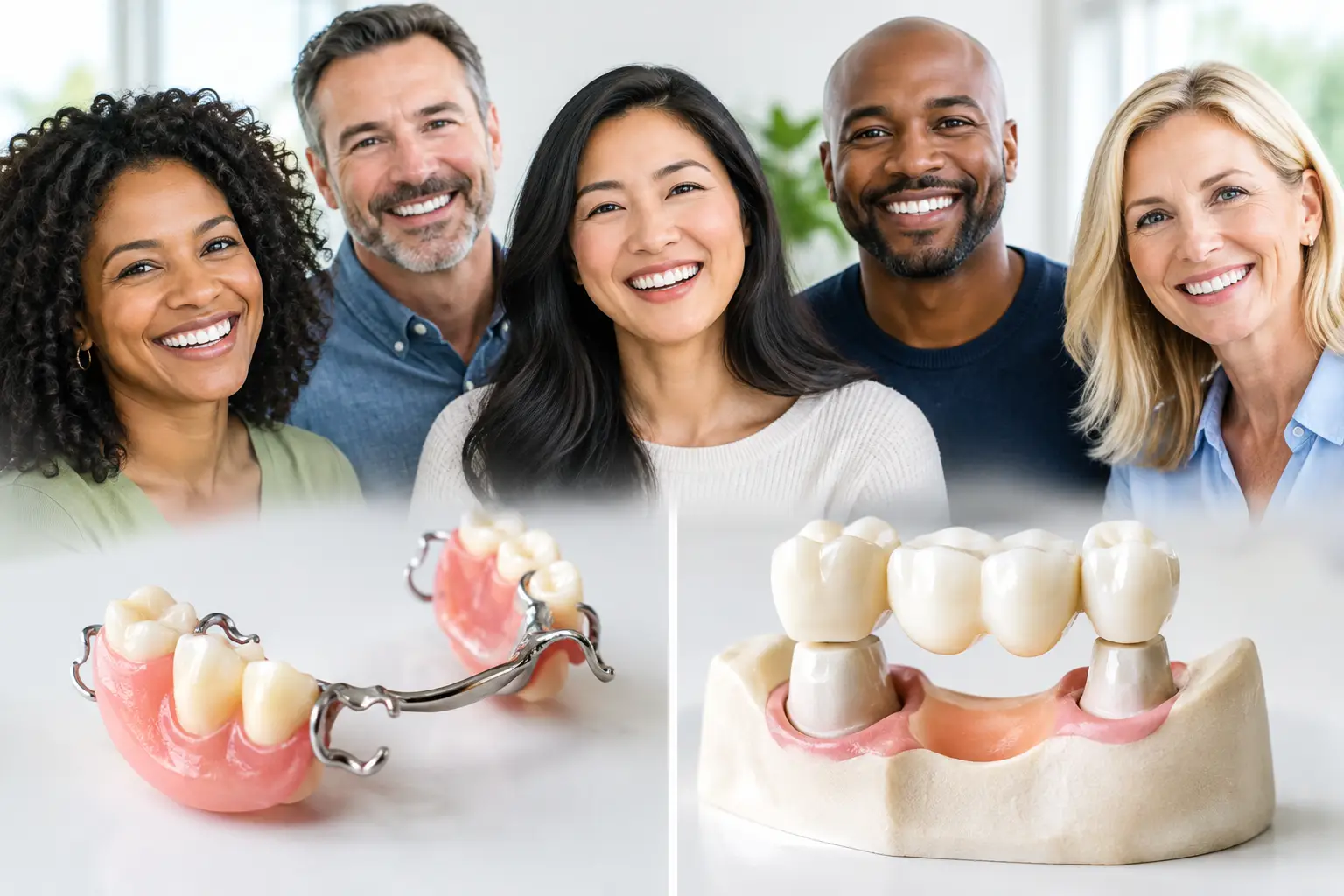
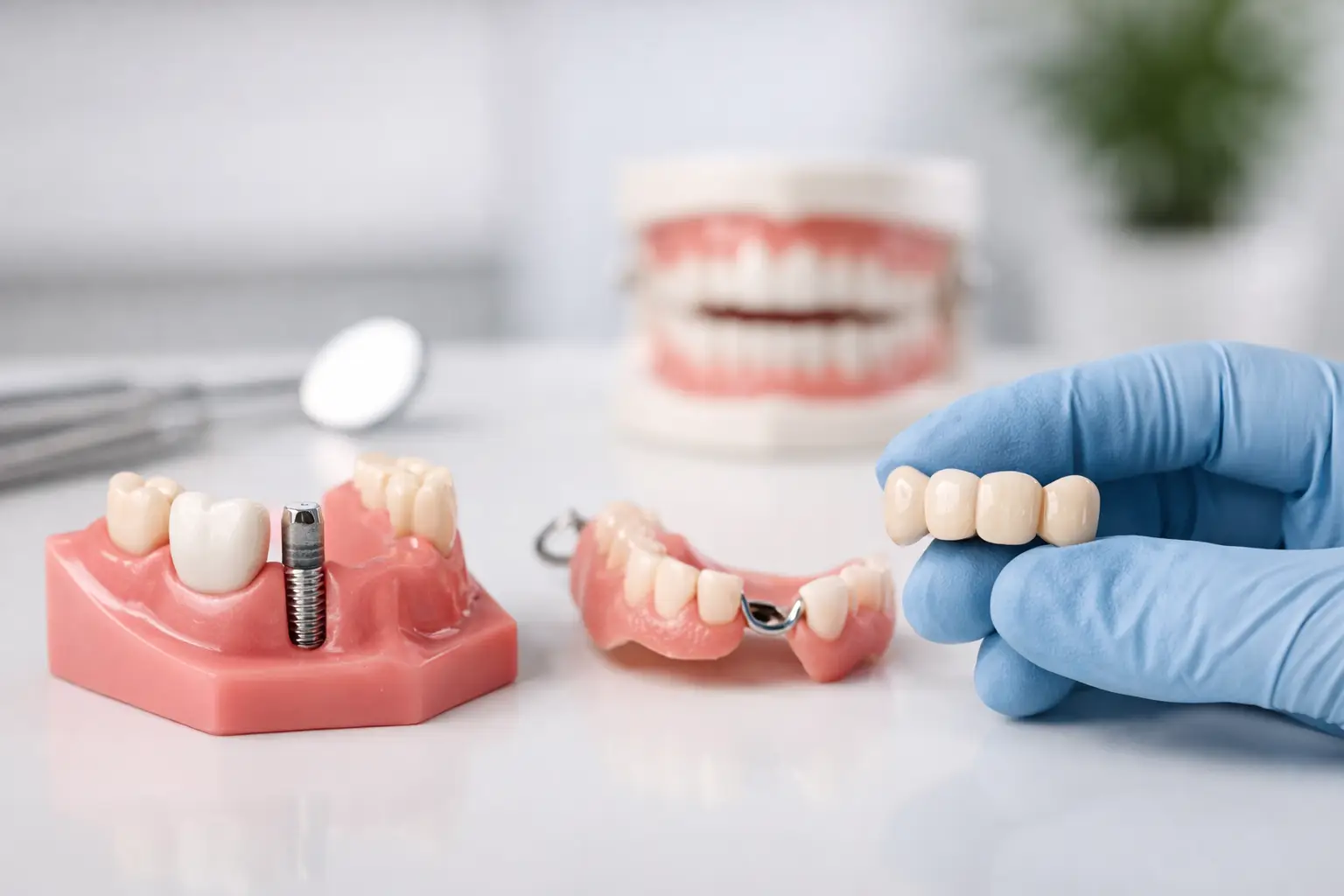
There are three main ways to replace missing teeth: dental implants, dental bridges, and dentures. Each can restore function and improve appearance, but they do it in different ways.
A dental implant replaces the tooth root as well as the visible tooth. A small titanium post is placed in the jaw, and after healing, a custom crown is attached. This option is often the closest match to a natural tooth in feel and function.
A dental bridge fills the space by anchoring an artificial tooth to the neighboring teeth. It can be a strong, attractive option when the teeth next to the gap already need crowns or support.
Dentures replace several missing teeth or a full arch. They may be removable or supported by implants. Modern dentures can look far more natural than people expect, especially when they are carefully designed for fit and facial balance.
The best choice depends on your clinical picture and your goals. A younger patient missing one back tooth may benefit most from an implant. An older adult missing several teeth may prefer implant-supported dentures for added stability. A patient who wants a faster lower-cost option may be better served by a bridge or traditional denture.
Dental implants: the closest thing to a natural tooth
Many busy professionals or local commuters along the 91 freeway often prefer fixed solutions like dental implants because they fit seamlessly into an active routine without requiring extra daily maintenanceIf you want a replacement that looks natural, feels secure, and helps preserve the jawbone, implants are often the top choice. Because the implant post sits in the bone, it stimulates the jaw in a way that removable options do not. That matters over time. When a tooth is missing for too long, the bone in that area can begin to shrink.
Implants also do not rely on neighboring teeth for support, which is a major advantage. A single missing tooth can often be replaced without grinding down healthy teeth nearby. Patients usually like the confidence implants provide when eating, talking, and smiling.
That said, implants are not automatically right for everyone. They require enough bone support, healthy gums, and a healing period. They also tend to cost more upfront than bridges or dentures. If a patient has significant bone loss, smoking-related healing concerns, or untreated gum disease, those issues may need attention first.
For many people, though, the long-term value is strong. An implant can be durable, stable, and easier to maintain as part of your normal oral hygiene routine.
Bridges: a fixed solution for the right case
Dental bridges have helped patients restore missing teeth for many years, and they still have a very real place in modern treatment. A bridge is fixed in place, so it does not come in and out like a denture. That alone makes it appealing for people who want something stable without surgery.
Bridges can be especially useful when the teeth next to the missing one already have large fillings, cracks, or old crowns. In that situation, placing crowns on those teeth as part of a bridge may make practical sense.
The trade-off is that a traditional bridge usually requires reshaping the adjacent teeth, even if they are otherwise healthy. Bridges also do not replace the tooth root, so they do not prevent bone loss beneath the missing tooth the way implants can.
Still, bridges often strike a good balance between appearance, function, treatment time, and cost. For the right patient, they are a smart and reliable option.
Dentures: better than many people expect
Dentures are often misunderstood. People hear the word and picture something bulky, loose, or obvious. In reality, well-made dentures can restore a smile beautifully and help patients eat and speak much more comfortably than they could with multiple missing teeth.
Partial dentures replace several missing teeth while using the remaining natural teeth for support. Full dentures replace all teeth in the upper arch, lower arch, or both. For patients missing many teeth, dentures can be the most efficient and cost-conscious solution.
The biggest limitation is stability. Traditional removable dentures can shift, especially on the lower arch. They also do not stop bone loss over time. That is why implant-supported dentures have become so popular. By securing the denture to implants, you can gain much more confidence while speaking and eating.
If budget is a major concern, a conventional denture may be the right place to start. If stability is the priority, adding implant support can make a dramatic difference.
What dentists look at before recommending treatment
When deciding how to replace missing teeth, a dentist is not just looking at the empty space. The full picture matters.
Bone levels are one major factor. If the jaw has shrunk, an implant may require grafting first. Gum health matters too, because active gum disease can compromise any restoration if it is not treated. Bite forces also matter. Someone who clenches or grinds may need a different design than someone with a more balanced bite.
The location of the missing tooth changes the conversation as well. A front tooth has high cosmetic demands. A back tooth has to handle more chewing pressure. Replacing one tooth is very different from replacing several scattered teeth or a full arch.
This is also where lifestyle comes in. Some patients want the longest-lasting option and are willing to invest more upfront. Others need a solution that fits a tighter budget right now. Neither priority is wrong. Good treatment planning respects both oral health and real life.
How to replace missing teeth without choosing too fast
Many people feel pressure to pick the “best” option immediately, but the better goal is choosing the right option for your situation. Fast decisions can lead to frustration later if expectations were never clearly discussed.
Start by asking practical questions. How long is treatment from start to finish? Will surgery be involved? How will the final result feel when you eat? What maintenance is required? What happens if more teeth are lost later? These questions matter just as much as price.
It also helps to think in timelines. A bridge may solve the problem sooner. An implant may take longer but offer more long-term benefits. A denture may restore function quickly while leaving room for future upgrades. Treatment does not always have to happen all at once.
For patients in Riverside who want a calm, thorough conversation about tooth replacement, that kind of planning matters. The best dental experience is one where you understand your choices, your costs, and your next step before treatment begins.
Cost, comfort, and long-term value
Cost matters, and patients deserve honest answers about it. In general, traditional dentures tend to have the lowest upfront cost, bridges often fall in the middle, and implants usually have the highest initial investment. But upfront cost is only one part of value.
If a lower-cost option needs more adjustments, replacements, or compromises in comfort, it may not feel like the best deal in the long run. On the other hand, if an implant is not realistic financially right now, a bridge or denture may be the treatment that gets you out of discomfort and back to smiling sooner.
Comfort matters too. Some patients strongly prefer a fixed option because they do not want movement. Others are comfortable with a removable appliance as long as it looks good and functions well. There is no universal winner. There is only the option that makes the most sense for your mouth and your goals.
A personalized consultation can help sort through those trade-offs without pressure. That is often where patients go from feeling overwhelmed to feeling relieved.
Replacing missing teeth is not only about filling a space. It is about protecting your bite, preserving your confidence, and making daily life easier again. The right plan should feel clear, manageable, and built around you.
Visit Our Riverside Office
Riverside Cosmetic Dentist – Dr. Ali Shmara
Address: 4959 Arlington Ave, Suite A, Riverside, CA 92504
Phone: (951) 352-2227