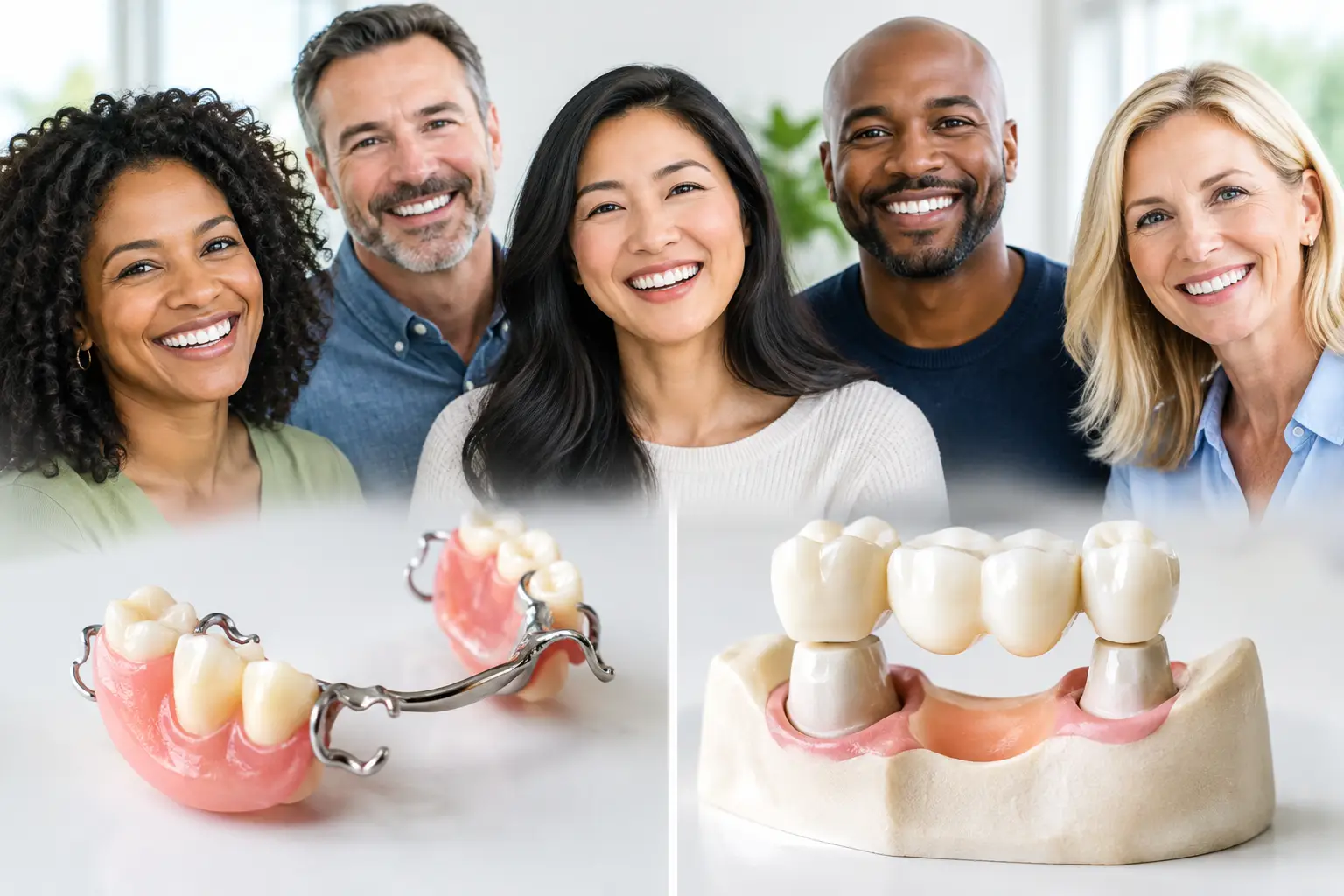

A beautiful smile can change how you feel in photos, at work, and in everyday conversations. But figuring out how to choose a cosmetic dentist is where many people get stuck. The right provider should do more than offer veneers or whitening – they should understand facial balance, protect your oral health, explain your options clearly, and make you feel comfortable from the first visit.
Cosmetic dentistry is not one single treatment. It can include veneers, bonding, whitening, crowns, implants, and full smile makeovers. That matters because the best dentist for one cosmetic goal may not be the best fit for another. If you want subtle whitening, your decision process may be simpler than if you need to rebuild worn, broken, or missing teeth while also improving appearance.
How to choose a cosmetic dentist starts with the right questions
A polished website or a few attractive before-and-after photos should not be the whole decision. Cosmetic work sits at the intersection of art and clinical precision. You want someone who can create a natural-looking result, but also someone who checks your bite, gum health, enamel condition, and long-term function.
Start by asking what kind of cosmetic procedures the dentist performs regularly. Frequency matters. A dentist who occasionally offers veneers is different from one who handles cosmetic cases as a routine part of practice. Experience does not guarantee a perfect outcome, but it usually means they have seen more variations in tooth shape, shade, spacing, wear patterns, and bite issues.
It also helps to ask whether your cosmetic plan may involve restorative care first. For example, if you have decay, gum disease, cracked teeth, or missing teeth, those issues often need to be stabilized before the cosmetic phase begins. This is one reason many patients prefer a practice that can handle both appearance and function in one place.
Look beyond the smile photo
Before-and-after photos are useful, but they need context. Look for cases that resemble your own concerns. If your teeth are small, chipped, stained, or uneven, examples of that kind of transformation are more meaningful than generic smile gallery shots. Pay attention to whether the final result looks natural for the patient’s face rather than overly bright, bulky, or identical from one case to the next.
Ask what treatments were used to create the result. A dramatic transformation could involve veneers, crowns, implants, orthodontic alignment, or gum contouring. If a dentist is transparent about the process, that is a good sign. It shows they are not selling a look without explaining the work behind it.
The best cosmetic dentistry should not look obvious. Teeth should fit your features, speech, bite, and age. A dentist with strong aesthetic judgment will talk with you about shape, shade, proportion, and realism instead of pushing the whitest or most aggressive option.
Training and technology matter, but so does judgment
When people research how to choose a cosmetic dentist, they often focus on credentials first. That is smart, but credentials are only part of the picture. Continuing education in cosmetic and restorative dentistry matters because techniques, materials, and planning tools keep evolving. So does hands-on experience with bonding, porcelain restorations, implant restorations, and bite design.
Technology can improve accuracy and comfort, especially when it comes to digital imaging, diagnostics, and treatment planning. Still, technology does not replace judgment. A dentist can have modern equipment and still recommend treatment that is too aggressive, too expensive, or not suited to your goals.
A good consultation should feel specific to you. The dentist should evaluate your teeth, gums, jaw function, and existing dental work. They should also ask what you want to change, what bothers you most, and how dramatic or conservative you want the final result to be. If the conversation feels rushed or one-size-fits-all, keep looking.
Pay attention to how the dentist explains options
One of the clearest signs of a trustworthy cosmetic dentist is how they present treatment choices. You should hear more than one path when more than one path exists. For instance, chipped front teeth might be improved with bonding or veneers, depending on the extent of damage, your bite, your budget, and how long you want the result to last.
This is where trade-offs matter. Bonding usually preserves more tooth structure and costs less, but it may stain or wear faster than porcelain. Veneers can provide a more dramatic and durable transformation, but they require careful planning and may not be the best starting point for every patient. Whitening can brighten your smile, but it will not change shape, close gaps, or fix deep structural issues.
A dentist who is honest about pros, cons, longevity, maintenance, and cost is far more valuable than one who makes every solution sound easy. Cosmetic dentistry should feel exciting, not confusing. Clear communication is part of good care.
Comfort is not a bonus – it affects your outcome
For many adults, anxiety plays a bigger role in dental decisions than they admit. If you have had painful, rushed, or dismissive experiences in the past, comfort matters just as much as technical skill. When you are tense, it is harder to ask questions, harder to sit through treatment, and harder to feel confident in your decisions.
That is why bedside manner is not a small detail. Notice whether the team listens, explains procedures in plain English, and talks openly about pain control, appointment timing, and recovery. If you need extensive treatment, ask whether sedation or comfort-focused options are available.
Patients in Riverside often want one provider who can handle cosmetic improvements while also managing routine care, repairs, and urgent issues without sending them all over town. That kind of continuity can make treatment feel much more manageable, especially if your smile concerns are tied to broken teeth, old dental work, or long-delayed care.
Cost should be clear before treatment begins
Cosmetic dentistry can be a worthwhile investment, but the numbers should never feel vague. A good practice will explain what is included, what may change based on findings, and which portions are cosmetic versus medically necessary. If insurance, financing, or phased treatment is available, that should be discussed early.
Be careful with decisions based only on price. The least expensive option is not always the best value if it leads to rework, discomfort, or an unnatural result. At the same time, the most expensive plan is not automatically the best plan either. Sometimes a simpler treatment can meet your goals beautifully.
If you are comparing offices, ask for clarity on materials, number of visits, temporary restorations if needed, and maintenance expectations. You are not just buying a procedure. You are choosing planning, craftsmanship, and follow-through.
Choose a dentist who can see the whole picture
This is one of the most overlooked parts of how to choose a cosmetic dentist. A great-looking smile that does not function well is a problem waiting to happen. Bite issues, grinding, gum recession, untreated decay, and missing teeth can all affect cosmetic outcomes. If those factors are ignored, even attractive dental work may chip, wear down, or fail sooner than expected.
That is why comprehensive care matters. If your dentist can evaluate the health of your mouth as a whole, your cosmetic plan is more likely to hold up over time. For some patients, the first step may be a cleaning and gum treatment. For others, it may be replacing a failing crown, treating a painful tooth, or restoring missing teeth before addressing color and shape.
A full-service office can make that process smoother. Rather than piecing together treatment from multiple places, you can often move from diagnosis to restoration to cosmetic refinement with a single team that already understands your case.
What a strong consultation should feel like
By the end of a cosmetic consultation, you should feel informed, not pressured. You should understand what is being recommended, why it fits your goals, what alternatives exist, how long it may last, and what upkeep is required. You should also know whether your case is straightforward or whether there are functional issues that need attention first.
The right dentist will not promise perfection. They will talk about realistic outcomes, timing, and maintenance. They will make space for your questions. And they will treat your smile as something personal, not as a sales package.
For patients who want that balance of cosmetic skill, comprehensive care, and a gentle experience, Riverside Cosmetic Dentist is one example of the kind of practice worth looking for. The best choice is the one that leaves you feeling heard, cared for, and confident that your smile will look good and function well for years to come.
Your smile is part of your health, your confidence, and your day-to-day life. Take your time, ask better questions, and trust the dentist who values both the details you see in the mirror and the ones that keep your teeth strong behind the scenes.