
A missing tooth changes more than a smile. It can make chewing uncomfortable, affect the way surrounding teeth fit together, and leave many people feeling self-conscious in photos or conversations. This dental implant procedure review explains what treatment actually involves, how long it takes, and what questions help you decide whether an implant is the right choice for you.
What Is a Dental Implant?
A dental implant is a replacement tooth system designed to look, feel, and function much like a natural tooth. It usually has three parts: a small titanium implant post placed in the jawbone, an abutment that connects to the post, and a custom crown that becomes the visible tooth.
Unlike a removable denture, an implant is fixed in place. Unlike a traditional bridge, it often replaces one missing tooth without requiring healthy teeth next to the gap to be reshaped for crowns. That independence is a major reason implants can be an excellent long-term restorative option.
Still, implants are not automatically the best solution for every person or every missing tooth. Your gum health, bone support, medical history, bite, budget, and timeline all matter. A careful exam is the first step toward a recommendation that protects both your oral health and your investment.
Dental Implant Procedure Review: The Treatment Stages
The word “procedure” can make implant treatment sound like a single appointment. In reality, placing an implant is a planned process completed in stages. The pace depends on how healthy the treatment area is and whether additional preparation is needed.
1. Consultation and Digital Planning
Your dentist begins by reviewing your health history, examining your teeth and gums, and taking digital X-rays or 3D imaging when appropriate. These images show the available jawbone and the location of important structures, including nerves and sinus spaces.
This appointment is also where you should receive clear answers about the treatment sequence. If a damaged tooth must be removed, your dentist will discuss whether the implant can be placed at the same time or whether the site should heal first. Neither approach is automatically better. Immediate placement can shorten treatment in selected cases, while delayed placement may be safer when there is infection, insufficient bone, or a need for more healing.
2. Preparing the Site When Needed
Some patients can move directly to implant placement. Others need preparatory care, such as an extraction, gum disease treatment, or a bone graft. A graft uses bone-replacement material to help rebuild support where the jawbone has thinned after tooth loss.
This is one of the most important trade-offs to understand. A bone graft may extend the timeline, but it can create a more secure foundation for an implant. Skipping necessary preparation just to finish faster may compromise the outcome.
3. Implant Placement
During the surgical appointment, the implant post is placed precisely into the jawbone. Local anesthetic is commonly used to keep the area numb, and conscious sedation may be an option for patients with significant anxiety or more involved treatment.
Most patients are surprised that the appointment itself is more manageable than expected. You may feel pressure or vibration, but you should not feel sharp pain. After placement, the site may be closed with stitches or fitted with a healing component that sits near the gumline.
A temporary tooth may be possible in some situations, particularly in a visible area. However, a temporary is not always advisable. The implant needs to remain stable while it heals, so the final recommendation should be based on your bite and bone quality rather than appearance alone.
4. Healing and Bone Integration
Over the next several months, the jawbone gradually bonds with the implant surface. This process, called osseointegration, is what gives an implant its strength. Healing commonly takes about three to six months, though individual timelines vary.
During this phase, follow-up visits allow the dentist to check your gums, bite, and healing progress. Smoking or vaping, uncontrolled diabetes, untreated gum disease, and heavy grinding can increase the risk of complications. These factors do not always rule out treatment, but they need to be addressed honestly before and during care.
5. Abutment and Final Crown
Once healing is complete, the dentist attaches the abutment and takes impressions or digital scans for the final crown. The crown is designed to blend with nearby teeth in shape, shade, and proportion. A well-made implant crown should feel comfortable when you bite and should support a natural-looking smile rather than stand out from it.
The final visit includes bite adjustments if needed. This detail matters: even a beautiful crown needs to meet opposing teeth properly to avoid excess pressure on the implant, crown, or neighboring teeth.
What Recovery Feels Like
Recovery after implant placement is usually easier than many patients anticipate, especially when instructions are followed closely. Mild swelling, tenderness, and minor bruising can occur for a few days. Your dentist may recommend medication, cold compresses, soft foods, and gentle oral hygiene around the area.
Plan to avoid strenuous activity for the first day or two and avoid chewing hard foods on the surgical site until you receive guidance to resume normal eating. Call the dental office promptly if you experience worsening pain after several days, persistent bleeding, fever, significant swelling, or a feeling that the implant is moving.
Healing should be monitored, not guessed at. A responsive dental team makes it easier to ask questions early, before a concern becomes a larger problem.
Benefits and Limits of Dental Implants
For the right candidate, implants offer reliable benefits. They can restore chewing ability, prevent the drifting of adjacent teeth, support clearer speech, and improve confidence when smiling. Because the implant replaces the tooth root, it also helps stimulate the jawbone in a way that a removable appliance cannot.
The limits deserve equal attention. Implant treatment requires time, good home care, and an upfront financial commitment. It also involves a surgical step, and no medical or dental procedure comes with a guarantee. Although implant success rates are high, infection, failed integration, gum recession, crown wear, and bite-related issues can occur.
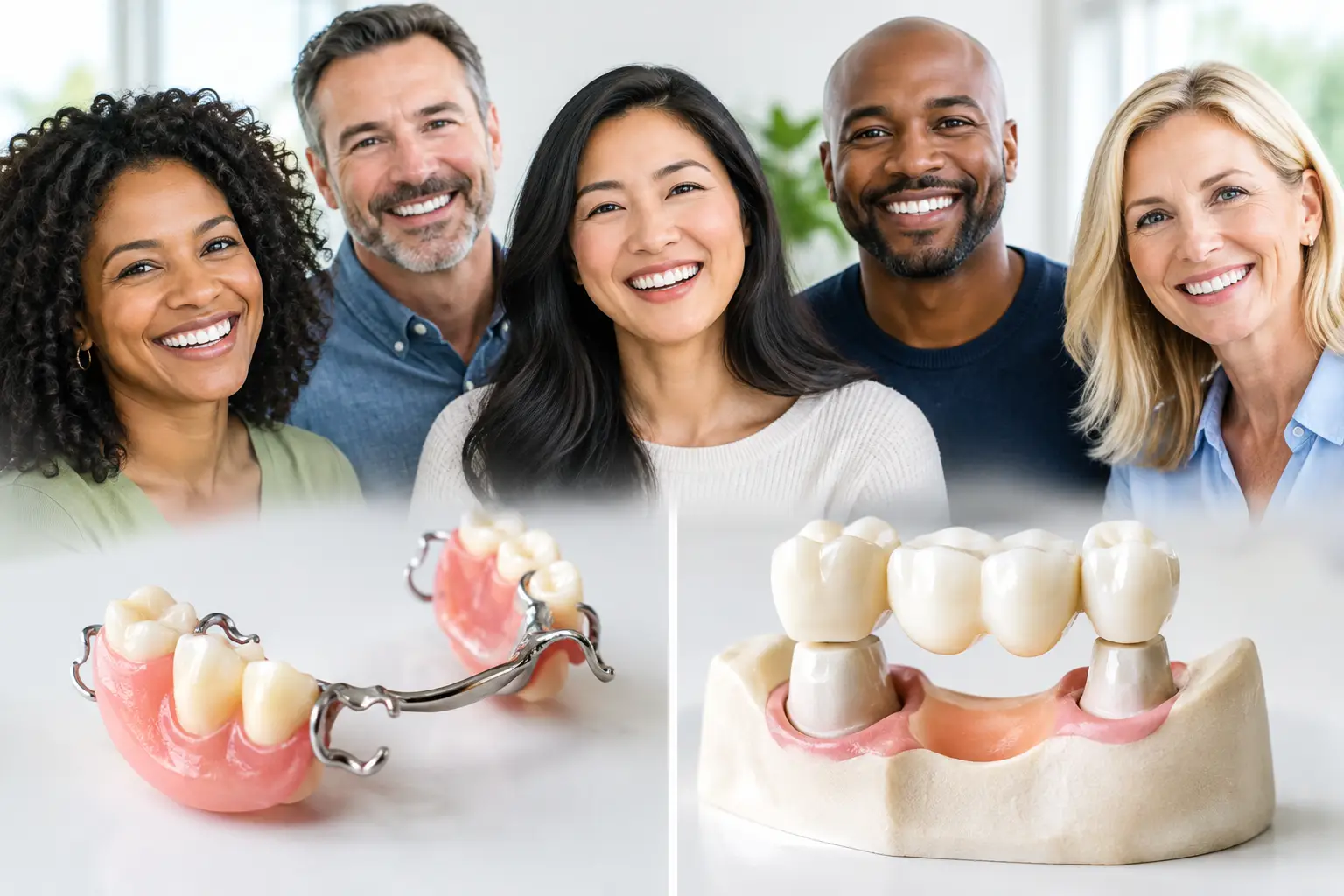
A bridge or partial denture may make more sense when surgery is not appropriate, when several teeth need replacement in a particular pattern, or when a patient needs a lower-cost solution sooner. The best choice is the one that fits your health needs and long-term goals, not simply the most advertised option.
How Much Does an Implant Cost?
An implant estimate should be transparent about what is and is not included. The total may involve the consultation, imaging, extraction, grafting, implant post, abutment, final crown, temporary tooth, and follow-up visits. Insurance coverage varies considerably, and some plans contribute toward portions of treatment but not the entire implant.
Rather than comparing a single advertised price, ask for a written treatment plan. You should understand the recommended steps, alternatives, anticipated timeline, payment options, and what would change the cost. Financing and non-insurance options can make treatment more manageable, but clarity should come before commitment.
Choosing a Dentist for Implant Care
Implant dentistry combines surgical planning, restorative precision, and cosmetic judgment. Look for a dentist who evaluates your entire mouth, explains why a particular timeline is recommended, and discusses options without pressure. You should also feel comfortable asking about sedation, aftercare, expected maintenance, and how the final crown will be designed to match your smile.
At Riverside Cosmetic Dentist, Dr. Ali Shmara and the team focus on personalized treatment planning for patients who want to restore function without losing sight of comfort or aesthetics. Riverside patients can also review the practice’s Riverside, California information and dentist page to better understand the care team and available services before scheduling.
An implant can be a meaningful investment in your health and confidence, but the right first step is simply a thoughtful conversation. A complete exam can show what is possible, what preparation may be needed, and how to move forward at a pace that feels informed and comfortable.