
A dull ache near the jaw can feel like a muscle problem, a sinus issue, or stress from clenching. But can a cavity cause jaw pain? Yes. When tooth decay reaches deeper layers of a tooth or leads to inflammation and infection, pain can radiate beyond the tooth and into the jaw, ear, cheek, or side of the face.
Jaw pain does not always mean a cavity is the cause, and a cavity does not always hurt. That uncertainty is one reason a dental exam and X-rays can be so helpful. They allow your dentist to identify the source before a small concern becomes a painful emergency.
How a cavity can cause jaw pain
A cavity begins when bacteria in plaque produce acids that weaken tooth enamel. Early decay may cause no symptoms at all. As the cavity grows through the enamel and reaches dentin, the softer layer beneath it, a tooth can become sensitive to cold, sweets, or pressure.
The more serious change happens when decay reaches the pulp, the living center of the tooth that contains nerves and blood vessels. Pulp inflammation can create sharp, lingering, or throbbing pain. Because the nerves that serve the teeth, jaw, ear, and facial structures are closely connected, the brain may not always pinpoint the pain accurately. A painful lower molar, for example, may feel like pain in the jaw rather than one specific tooth.
If bacteria reach the pulp and cause an infection, pressure can build around the tooth root and surrounding bone. This can make chewing painful and may create tenderness along the jawline. At this stage, the problem needs prompt dental treatment, not just pain relievers.
Signs your cavity may be affecting your jaw
Tooth decay is more likely to be involved when jaw discomfort appears along with tooth-related symptoms. You may notice pain when biting down, sensitivity that lingers after hot or cold foods, a visible dark spot or hole, food getting trapped in one area, or a bad taste that keeps returning.
A tooth abscess can cause more intense symptoms. Swelling in the gum, cheek, or jaw, a pimple-like bump on the gums, fever, facial tenderness, or swollen lymph nodes may indicate an infection. Sometimes an abscess temporarily drains and the pain eases, but the infection has not gone away. It can continue damaging tissue beneath the surface.
Pain that wakes you at night or becomes more severe when you lie down is also worth taking seriously. These patterns can occur when inflammation inside the tooth is increasing.
Jaw pain is not always caused by a cavity
It depends on the location and nature of the discomfort. Jaw pain can also come from teeth grinding, temporomandibular joint (TMJ) disorders, gum disease, an erupting wisdom tooth, sinus pressure, a cracked tooth, or an ear infection. Clenching during sleep can leave the jaw muscles sore in the morning, while TMJ concerns often cause clicking, limited opening, or discomfort near the ear.
A cracked tooth may be especially difficult to identify because pain can come and go. It may hurt only when you release your bite or chew in a particular spot. Gum disease can also create soreness and tenderness around teeth without a classic cavity symptom.
That is why self-diagnosis can be misleading. A dentist evaluates the teeth, gums, bite, jaw joints, and X-rays together. The goal is not simply to stop the pain for a day, but to identify what is driving it and recommend the most conservative effective treatment.
What treatment may be needed?
The right treatment depends on how far decay has progressed. If the cavity is small, removing the decay and placing a tooth-colored filling may be enough to restore the tooth and relieve sensitivity. Treating it early generally means a simpler appointment, less discomfort, and more natural tooth structure preserved.
When decay has weakened a large portion of the tooth, a crown may be recommended after the damaged areas are removed. A crown protects the remaining tooth from cracking and restores its shape and chewing function.
If decay or infection has reached the pulp, root canal treatment may be the best way to save the tooth. During treatment, the infected or inflamed pulp is removed, the inside of the tooth is cleaned and sealed, and the tooth is usually protected with a crown afterward. Modern root canal care is designed to relieve infection-related pain, not create it.
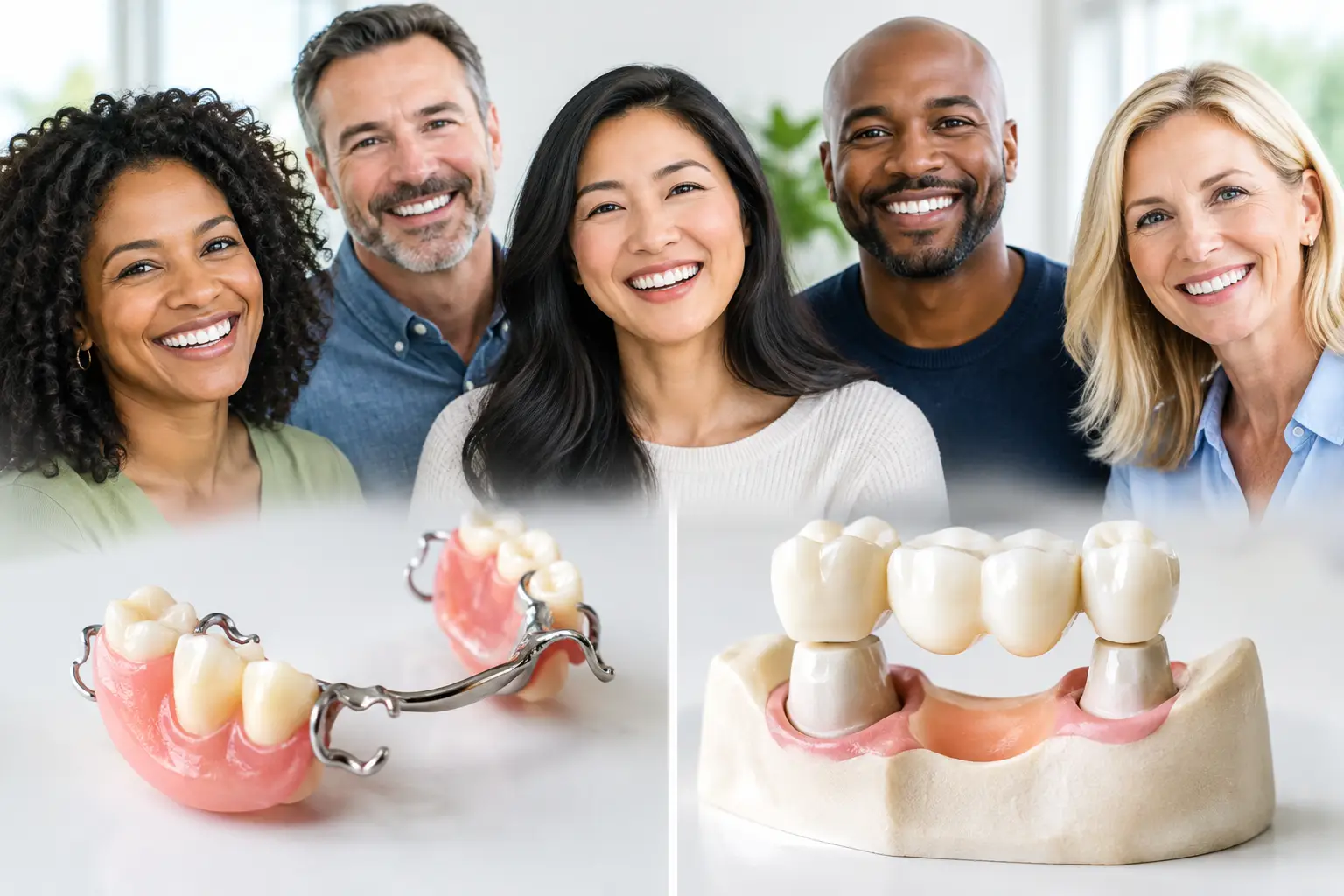
In some cases, a tooth is too damaged to save or has a severe fracture. Extraction may then be the healthiest option. Your dentist can discuss replacement choices, such as an implant or bridge, so you understand the effect on chewing, appearance, and surrounding teeth before making a decision.
What to do while you wait for your appointment
If you suspect a cavity is causing jaw pain, schedule a dental visit as soon as possible. Same-day care can be especially valuable when pain is escalating, chewing is difficult, or swelling is present.
Until you are seen, avoid chewing on the painful side and choose soft foods that are not extremely hot, cold, sweet, or acidic. You can gently rinse with warm salt water to keep the area clean. Over-the-counter pain medication may help when used only as directed on the label and when safe for your health history.
Do not place aspirin directly on a tooth or gum tissue. It can burn the gums and does not treat the infection or cavity. Antibiotics are also not a substitute for dental treatment. They may be appropriate for certain spreading infections, but the source of the problem still needs to be treated through dental care.
When jaw pain needs urgent attention
Call a dentist promptly for severe tooth pain, increasing facial swelling, a fever, drainage from the gums, or pain that is making it hard to sleep, eat, or function normally. These symptoms may point to an abscess or another urgent dental condition.
Seek emergency medical care right away if swelling affects your eye area, neck, or throat, or if you have trouble breathing or swallowing. A spreading infection can become serious and should never be managed by waiting it out.
For patients in Riverside and nearby communities, Riverside Cosmetic Dentist provides comprehensive care for cavities, dental infections, damaged teeth, and urgent concerns. Dr. Ali Shmara and the team focus on clear explanations, gentle treatment, and a plan that addresses both immediate comfort and the long-term health of your smile.
Can a cavity cause jaw pain even without a toothache?
Yes. Some cavities cause vague pressure, jaw tenderness, or pain with chewing before a person can identify a specific tooth. Other cavities produce no pain until they become deep. A tooth may also stop hurting if its nerve dies, while infection continues at the root. Relief in that situation is not a sign that the tooth has healed.
Regular exams help catch decay before it reaches that point. If you have jaw pain that persists for more than a day or two, returns repeatedly, or occurs with sensitivity or swelling, it is worth having your teeth checked. A timely diagnosis can often turn an uncomfortable problem into a straightforward repair and help you get back to eating, speaking, and smiling comfortably.