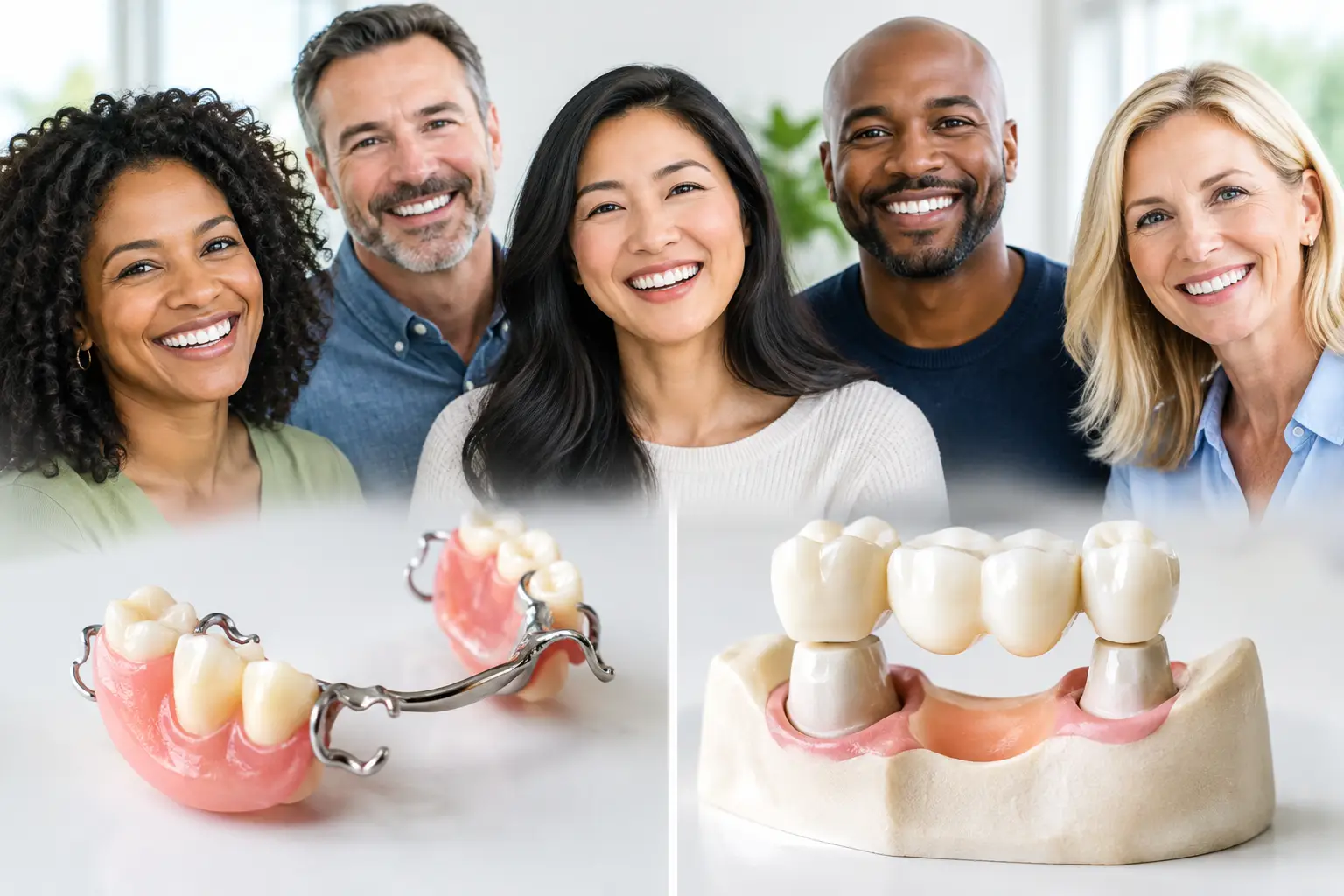

A toothache can change quickly. What starts as a dull ache during lunch may become sharp, throbbing pain that keeps you awake or makes it hard to focus at work. This guide to emergency tooth pain explains how to respond safely in the moment, recognize when the situation cannot wait, and protect your tooth until a dentist can determine the cause.
Tooth pain is not something to simply push through. It may come from a deep cavity, a cracked tooth, gum infection, a lost restoration, or an injury. Temporary comfort measures can help, but they do not remove the source of the problem. Prompt care often means a simpler treatment, less discomfort, and a better chance of saving the natural tooth.
When tooth pain is a dental emergency
Not every sore tooth requires an after-hours visit, but several symptoms deserve prompt attention. Severe or persistent pain, pain that interrupts sleep, visible swelling, a broken tooth, or a lost filling or crown should be evaluated as soon as possible. The same is true if hot, cold, or biting pressure causes a sharp, lingering sensation.
Call a dentist promptly if you have facial swelling, pus near the tooth, a bad taste that will not go away, fever, or swollen lymph nodes. These can be signs of an infection. Dental infections do not reliably resolve on their own, and delaying treatment may allow the infection to spread.
Some symptoms call for emergency medical care rather than waiting for a dental appointment. Go to the emergency room or call 911 if swelling makes it difficult to breathe, swallow, or speak, if it is spreading toward the eye or neck, or if you have uncontrolled bleeding after an injury. The emergency room can stabilize serious symptoms, although a dentist will still be needed to treat the tooth itself.
What to do right away for emergency tooth pain
Start by gently rinsing your mouth with warm water. This can clear food particles and make it easier to see whether something is caught around the painful tooth. Carefully floss on both sides of the tooth. A piece of food trapped below the gumline can create surprisingly intense pressure, and removing it may bring relief.
If the cheek or jaw is swollen, place a cold compress against the outside of your face for short intervals. A cold pack wrapped in a cloth can reduce swelling and numb the area without irritating the skin. Keep your head elevated when resting, since lying flat can increase pressure and make throbbing feel worse.
Over-the-counter pain medication may be appropriate for many adults when taken exactly as directed on the label. Acetaminophen or ibuprofen can help, but the right choice depends on your health history, other medications, pregnancy status, and conditions such as liver disease, kidney disease, ulcers, or blood-thinning treatment. When in doubt, ask a pharmacist or healthcare professional before taking medication.
Do not place aspirin, crushed pain relievers, alcohol, or numbing gels directly on the gums or tooth. These products can burn delicate tissue and may make the situation more painful. Avoid putting heat on facial swelling as well, since warmth can worsen swelling associated with an infection.
A guide to emergency tooth pain by symptom
Severe throbbing or pressure pain
A pulsing toothache may signal inflammation or infection inside the tooth. Sometimes the pain worsens with heat, chewing, or lying down. Rinse, floss gently, use a cold compress externally, and contact a dentist for an urgent evaluation. The solution may involve a filling, crown, root canal treatment, or another restorative option depending on how much of the tooth is affected.
A chipped, cracked, or broken tooth
Rinse your mouth and save any large pieces of the tooth if you can find them. Cover a sharp edge with dental wax or sugar-free gum temporarily so it does not cut your cheek or tongue. Do not chew on that side. A small chip may be repaired with bonding, while a deeper fracture may require a crown or root canal treatment. A crack that reaches the root may have a more limited prognosis, which is why an exam and X-rays matter.
A knocked-out tooth
For a permanent tooth that has been completely knocked out, time matters. Pick it up by the crown, which is the chewing surface, not the root. If it is dirty, gently rinse it with milk or clean water without scrubbing. If possible, place the tooth back into its socket and bite gently on clean gauze to hold it in place.
If reinserting it is not possible, keep the tooth moist in milk or in your mouth next to the cheek if you can do so safely. Seek immediate dental care. Do not try to reinsert a baby tooth, because doing so could damage the developing permanent tooth below it.
A lost filling or crown
A lost restoration can leave a tooth sensitive to air, temperature, and pressure. Keep the crown if you still have it, and avoid chewing on the exposed tooth. Temporary dental cement from a pharmacy may help hold a crown in place until your appointment, but do not use household glue. The crown and the tooth underneath need to be checked before anything is permanently recemented.
Tooth pain with swelling or a pimple on the gum
A bump on the gum, drainage, swelling, or a foul taste may indicate an abscess. Even if the pain suddenly decreases, the infection can still be present. Contact a dentist immediately. Antibiotics may be part of treatment in certain cases, but they do not replace draining the infection or treating the damaged tooth. Never take leftover antibiotics from a prior prescription.
What not to do while you wait
Pain can make people desperate for a quick fix, but a few common choices can create bigger problems. Do not ignore symptoms just because they come and go. Dental nerves can stop responding after significant damage, which may make pain fade temporarily while infection continues.
Avoid chewing hard foods, using the painful side of your mouth, smoking, or drinking very hot or cold beverages if they trigger discomfort. Do not attempt to pull a loose tooth or drain swelling at home. These actions can cause bleeding, introduce bacteria, or complicate treatment.
It is also wise to avoid delaying care because you are worried about cost or the treatment itself. A dentist can explain what is urgent, what can safely wait, and what options fit your goals and budget. Clear treatment planning gives you the information needed to make a confident decision rather than guessing through the pain.
What to expect at an urgent dental visit
An emergency appointment begins with listening. Your dentist will ask when the pain started, what triggers it, whether you have swelling or fever, and whether an injury occurred. An exam and X-rays can reveal problems that are not visible from the surface, including decay beneath an old filling, a root infection, or a crack below the gumline.
The first priority is usually comfort and stabilization. That might mean relieving pressure from an infection, placing a temporary filling, smoothing a broken edge, recementing a crown when appropriate, or beginning root canal treatment. Some situations can be fully treated the same day; others need a staged plan to allow healing or coordinate a crown, extraction, bridge, implant, or other restoration.
For Riverside families who are anxious about dental treatment, gentle communication matters as much as clinical skill. At Riverside Cosmetic Dentist, Dr. Ali Shmara and the team focus on explaining findings clearly, discussing treatment choices upfront, and providing care designed to feel manageable. Same-day availability may be an option when urgent symptoms arise.
Preventing the next painful surprise
Emergency tooth pain is not always preventable, especially after an accident, but regular exams and cleanings allow small cavities, worn fillings, and gum problems to be addressed before they become urgent. A nightguard can protect teeth for people who clench or grind, while a sports mouthguard can reduce the risk of injury during athletic activity.
If you have had a filling, crown, root canal, or implant, keep up with recommended follow-up visits. Restorative dentistry works best when it is monitored and maintained. Call promptly when something feels different, even if the discomfort is mild. A minor sensitivity is often easier to resolve than a weekend of severe pain.
The best next step is simple: listen to what your mouth is telling you. If the pain is severe, swelling is present, or a tooth has been damaged, seek professional care promptly so you can return to eating, sleeping, and smiling comfortably.