
If you have a missing tooth and keep putting off treatment because the process feels intimidating, you are not alone. A big part of feeling confident about implants is knowing how to prepare for dental implants before the procedure ever begins. The right preparation can make treatment smoother, recovery easier, and the whole experience feel far more manageable.
Dental implants are one of the most reliable ways to replace missing teeth because they restore both function and appearance. They are also a treatment that benefits from planning. Unlike a simple filling or crown, implants involve your bone, gum health, healing timeline, and overall oral condition, so preparation matters.
How to prepare for dental implants starts with a full evaluation
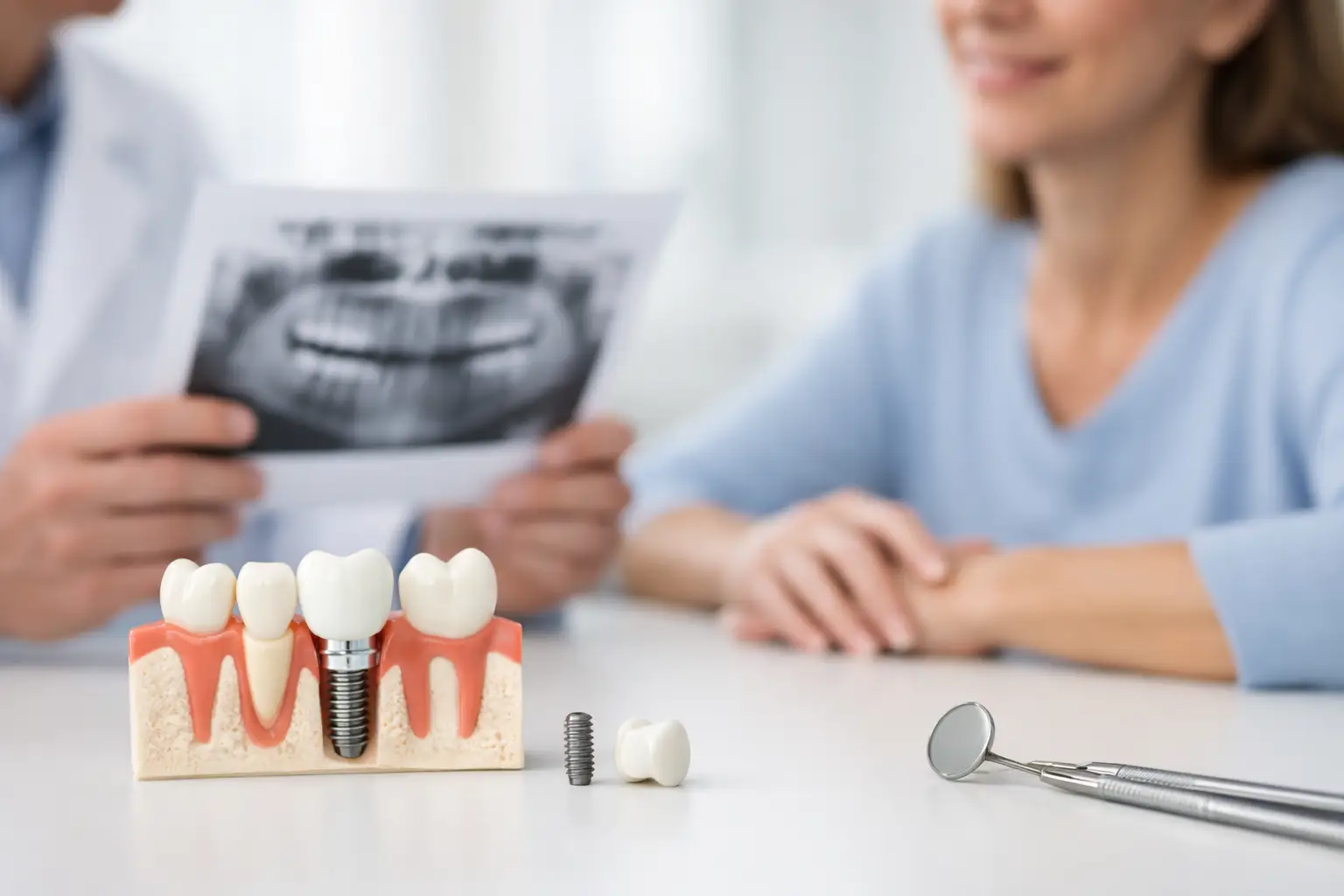
The first step is making sure implants are actually the right solution for your mouth. That usually means a complete exam, digital X-rays, and sometimes 3D imaging to check bone volume, gum health, nearby teeth, and the position of important structures like nerves and sinuses.
This is also the stage where your dentist looks for anything that could interfere with healing. Gum disease, untreated cavities, infection, or broken teeth near the implant site may need attention first. Some patients are ready to move forward quickly, while others need preparatory care such as a cleaning, extraction, or bone graft. That does not mean implants are off the table. It usually means your dentist is building a stronger foundation for a long-term result.
For many patients, anxiety drops once the treatment plan is explained in plain language. You should know how many visits to expect, whether temporary tooth replacement is needed, how long healing may take, and what costs are involved. Clear planning removes a lot of uncertainty.
Get your general health and habits in a good place
Your mouth does not heal in isolation. Your overall health plays a role in how well the implant integrates with the bone.
If you have diabetes, take blood thinners, have an autoimmune condition, or use medications that affect bone healing, your dentist needs to know before treatment. This does not automatically rule out implants. It just means the timeline and precautions may need to be adjusted. Honest communication is important here. Even something that feels unrelated can affect your care.
Smoking is one of the biggest issues to address before implant surgery. Tobacco use can slow healing, reduce blood flow, and increase the risk of implant failure. If you smoke or vape nicotine, your dentist may recommend stopping before and after the procedure. For some patients, this is the single most important change they can make to improve the outcome.
It also helps to get sleep, stay hydrated, and keep up with good nutrition in the days leading up to treatment. Healing tends to go better when your body is not already run down.
Take care of any dental work that comes first
A common misconception is that implant placement starts the moment you decide you want one. In reality, many patients need a little preparation first.
If the missing tooth is still present but cannot be saved, you may need an extraction. If bone has already shrunk in the area, grafting may be recommended to create support for the implant. If your gums are inflamed, periodontal treatment may come first. If nearby teeth have decay, those issues should be stabilized so your overall mouth is healthy before surgery.
This step can feel like a delay, but it is often what protects the final result. Placing an implant into an unhealthy environment is not good treatment planning. Taking care of supporting issues first gives the implant a much better chance of lasting.
Understand the timing before you schedule
One of the most helpful parts of learning how to prepare for dental implants is understanding that the process is not always fast. Some patients can have an implant placed soon after an extraction. Others need months of healing between stages.
It depends on the condition of the bone, the presence of infection, the location of the tooth, and whether grafting is needed. Front teeth, molars, and full-arch cases can all follow different timelines. If you have an upcoming trip, a big work event, or a family obligation, mention it early so your appointments can be planned realistically.
Do not assume the day of implant placement is the end of treatment. After the implant is placed, the bone needs time to fuse with it before the final crown is attached. That healing period is part of the treatment, not a delay in treatment.
Prepare for the procedure day itself
As your appointment gets closer, practical preparation makes a difference. Your dentist will give you specific instructions, and those should always come first. In general, you may be told whether to eat beforehand, whether sedation is planned, and what medications to take or avoid.
If you will be receiving sedation, arrange for someone to drive you home and stay available afterward. Even if the procedure is straightforward, it is better not to plan a packed day. Give yourself space to rest.
Wear comfortable clothing and keep the schedule light. Pick up any prescribed medications in advance so you are not running errands after surgery. Have soft foods ready at home, along with ice packs, water, and any recommended oral care supplies.
This is also the right time to ask questions you may have been avoiding. Patients often want to know how much discomfort to expect, when they can return to work, when they can exercise again, and how they should clean the area. Asking now is better than guessing later.
Set up your home recovery before treatment
The easiest recoveries are often the ones planned ahead. Most implant patients do well, but the first day or two is smoother when your recovery space is already prepared.
Stock your kitchen with foods that are easy to chew and not too hot or spicy. Yogurt, smoothies, scrambled eggs, soup that has cooled a bit, mashed potatoes, oatmeal, and soft pasta are common choices. If chewing on one side will be difficult, think about that before surgery rather than after.
You should also expect to avoid straws, smoking, and vigorous rinsing if your dentist advises against them. Those details matter because healing tissue can be disturbed more easily in the beginning. A little planning can prevent problems that have nothing to do with the implant itself.
Know what recovery usually feels like
Patients are often relieved to hear that implant recovery is usually more manageable than they expected. Mild bleeding, swelling, soreness, and tenderness are normal for a short period. Many people return to normal routines quickly, especially when only one implant is placed.
Still, recovery is not identical for everyone. Someone having a single implant without grafting may feel fine much sooner than a patient having multiple implants, extractions, or added bone graft material. The best mindset is to expect some downtime, follow instructions closely, and avoid comparing your recovery to someone else’s.
If pain worsens instead of improving, swelling becomes severe, or something feels off, call your dental office. Good follow-up care is part of the treatment.
Financial preparation matters too
For many adults, stress about cost is just as real as stress about the procedure. Preparing for implants includes understanding the full treatment plan financially, not just the surgical appointment.
Ask what is included, whether imaging, extractions, grafting, temporary restorations, abutments, and crowns are part of the quoted fee, and what insurance may or may not cover. If financing is available, review it before treatment begins so there are no surprises. Patients usually feel more at ease when both the clinical plan and the financial plan are clear.
If you are looking for a local provider, Riverside Cosmetic Dentist offers comprehensive care with a strong focus on clear treatment planning, comfort, and restorative results that feel natural.
How to prepare for dental implants emotionally
Not every patient is nervous about the same thing. Some worry about pain. Others worry about cost, healing time, or whether the final tooth will look natural. If you have had a difficult dental experience in the past, even a routine consultation can bring up stress.
That is why emotional preparation matters too. Let your dentist know if you are anxious, sensitive to noise, worried about injections, or afraid of bad news. A good dental team does not just place implants. They help patients feel informed and comfortable throughout the process.
The more openly you communicate, the easier it is to tailor the experience to you. Sometimes reassurance is enough. Sometimes sedation or a slower treatment pace makes more sense. There is no prize for pretending you are fine if you are not.
Dental implants can be life-changing because they do more than fill a gap. They let you chew better, smile without hesitation, and stop planning your life around a missing tooth. Preparation is what turns that outcome from something abstract into something you can actually move toward with confidence.