
You look at the X-ray, hear the word cavity, and then get a second question you were not expecting: should this tooth get a dental crown in Riverside or filling for cavity damage? That decision matters more than most patients realize. The right treatment is not just about fixing decay today. It is about whether the tooth stays strong, comfortable, and functional for years.
A small cavity and a heavily weakened tooth are two very different situations, even if both started with decay. That is why a good Riverside dentist does not treat every cavity the same way. The goal is to remove the damaged area while preserving as much healthy tooth structure as possible.
Crown or filling for cavity treatment – what is the difference?
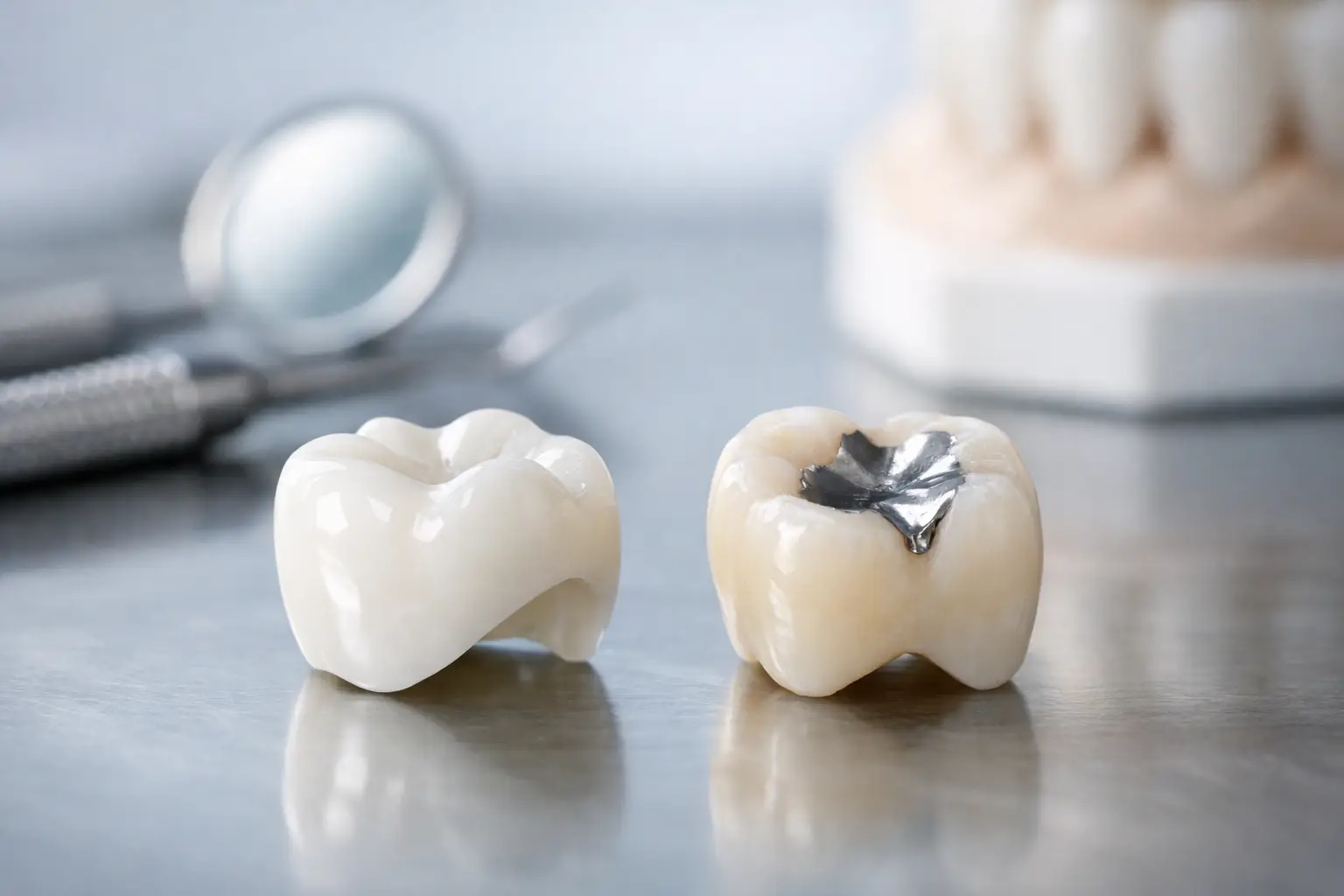
A filling repairs a tooth by removing the decayed portion and replacing it with a durable material, often tooth-colored composite. It works best when the cavity is relatively limited and enough healthy enamel and dentin remain to support the tooth.
A crown covers the entire visible portion of the tooth like a protective cap. It is usually recommended when decay is more extensive, when a tooth is cracked or structurally weak, or when a large old filling has left too little natural tooth behind. In other words, a filling repairs a section of the tooth. A crown reinforces the whole tooth.
That distinction is why two people with “a cavity” may hear very different treatment recommendations. The cavity itself is only part of the picture. Dentists also look at how much of the tooth has been lost, whether the chewing surface can still handle pressure, and whether the tooth is at risk of breaking after the decay is removed.
When a filling is usually enough
If the decay is caught early or stays confined to a smaller area, a filling is often the more conservative option. It preserves more of your natural tooth and can usually be completed in one visit. For many patients, that makes it the simplest path forward.
Fillings are commonly appropriate when the cavity is small to moderate, the cusps of the tooth are still strong, and there is no major crack running through the tooth. They also make sense when an old filling can be replaced without removing so much additional structure that the tooth becomes fragile.
There is also an aesthetic advantage. Modern tooth-colored fillings blend well with surrounding enamel, so they can repair visible areas without making the tooth look noticeably treated.
Still, a filling is not always the cheaper choice in the long run just because it costs less upfront. If a tooth is already too weak, placing a filling instead of a crown may lead to fracture later. Then the patient may end up needing a crown anyway, or in worse cases, root canal treatment or extraction.
When a crown makes more sense
A crown is often the better choice when decay has compromised a large portion of the tooth. Once the decayed area is removed, there may not be enough strong tooth left to support a filling under normal chewing forces.
This happens often in back molars. Those teeth absorb heavy biting pressure every day, and large fillings in molars are more likely to fail if the remaining tooth walls are thin. A crown helps hold the tooth together and lowers the risk of a painful break.
A crown may also be recommended if you have:
- A very large cavity
- A fractured or cracked tooth
- A tooth that already has a large filling
- A tooth that has had root canal treatment
- Recurrent decay around older dental work
In these cases, the question is not just how to fill a hole. It is how to keep the tooth restorable and usable.
How dentists decide between a crown or filling for cavity damage
The best recommendation comes from a clinical exam, X-rays, and a close look at the tooth’s structural integrity. Size matters, but location matters too. A moderate cavity between front teeth may still be suitable for a filling, while a similar amount of decay on a back molar under heavy bite pressure may point toward a crown.
Dentists also look at the margins of the cavity and the amount of healthy enamel left. Bonded fillings rely on sound tooth structure. If the remaining tooth is too thin or undermined, the bond may not be enough to keep everything intact over time.
Your habits can affect the decision as well. If you grind your teeth, clench at night, chew ice, or have a history of breaking fillings, a crown may offer more predictable long-term protection. If your bite is lighter and the damage is limited, a filling may be the smarter conservative choice.
This is where personalized treatment planning matters. A recommendation should be based on your tooth, your bite, your risk factors, and your goals – not a one-size-fits-all formula.
Cost matters, but so does durability
Many patients first ask about price, and that is understandable. A filling usually costs less than a crown. It is quicker, less involved, and often easier on the budget in the short term.
But long-term value is different from initial cost. If a filling is placed in a tooth that really needs full coverage, repeated repairs can add up. You may spend more over time replacing a failing restoration than you would have by protecting the tooth properly from the start.
Insurance coverage can also vary based on the extent of damage, the tooth involved, and the details of your plan. That is why clear, upfront treatment planning is so important. Patients deserve to understand not only what is being recommended, but why.
What if you want the most conservative option?
That instinct is a good one. In dentistry, preserving healthy natural tooth structure is always the priority. If a filling can predictably restore the tooth, many dentists will choose that route first.
However, conservative does not mean minimal at all costs. Sometimes the most conservative decision overall is a crown because it prevents a larger problem later. Saving more of the tooth today does not help if the tooth fractures next month.
A trustworthy dentist will explain that balance clearly. The goal is not to upsell treatment. It is to choose the option that gives the tooth the best chance of staying healthy and functional.
Signs you should not wait
Whether you need a filling or a crown, delaying treatment rarely makes the decision easier. Cavities do not stay the same size. What could have been a straightforward filling can grow into a situation that requires a crown, root canal treatment, or removal of the tooth.
If you notice sensitivity to sweets, pain when biting, food trapping between teeth, a dark spot, or a chipped area around an old filling, it is worth getting the tooth checked sooner rather than later. Some cavities cause no symptoms at all until they become advanced.
For patients with dental anxiety, this is often the hardest part. Bad experiences in the past can make even a simple exam feel stressful. But catching the problem early usually means easier treatment, lower cost, and a better outcome.
The right answer depends on the tooth in front of you
There is no honest universal rule for crown or filling for cavity treatment. A small cavity in a stable tooth should not automatically get a crown. A badly weakened molar should not automatically get a filling just because it costs less.
The right choice comes from a careful diagnosis and a dentist who explains the trade-offs in plain language. You should understand how much tooth is damaged, how strong the remaining structure is, how each option will look and feel, and what the long-term expectations are.
At Riverside Cosmetic Dentist, that conversation is part of the care experience. Patients want answers they can trust, especially when they are in pain or worried about cost, and they deserve a plan that protects both their oral health and their peace of mind.
If you have been told you need treatment and are unsure which direction makes sense, the next step is not guessing. It is getting a clear evaluation before a manageable cavity turns into a much bigger repair.