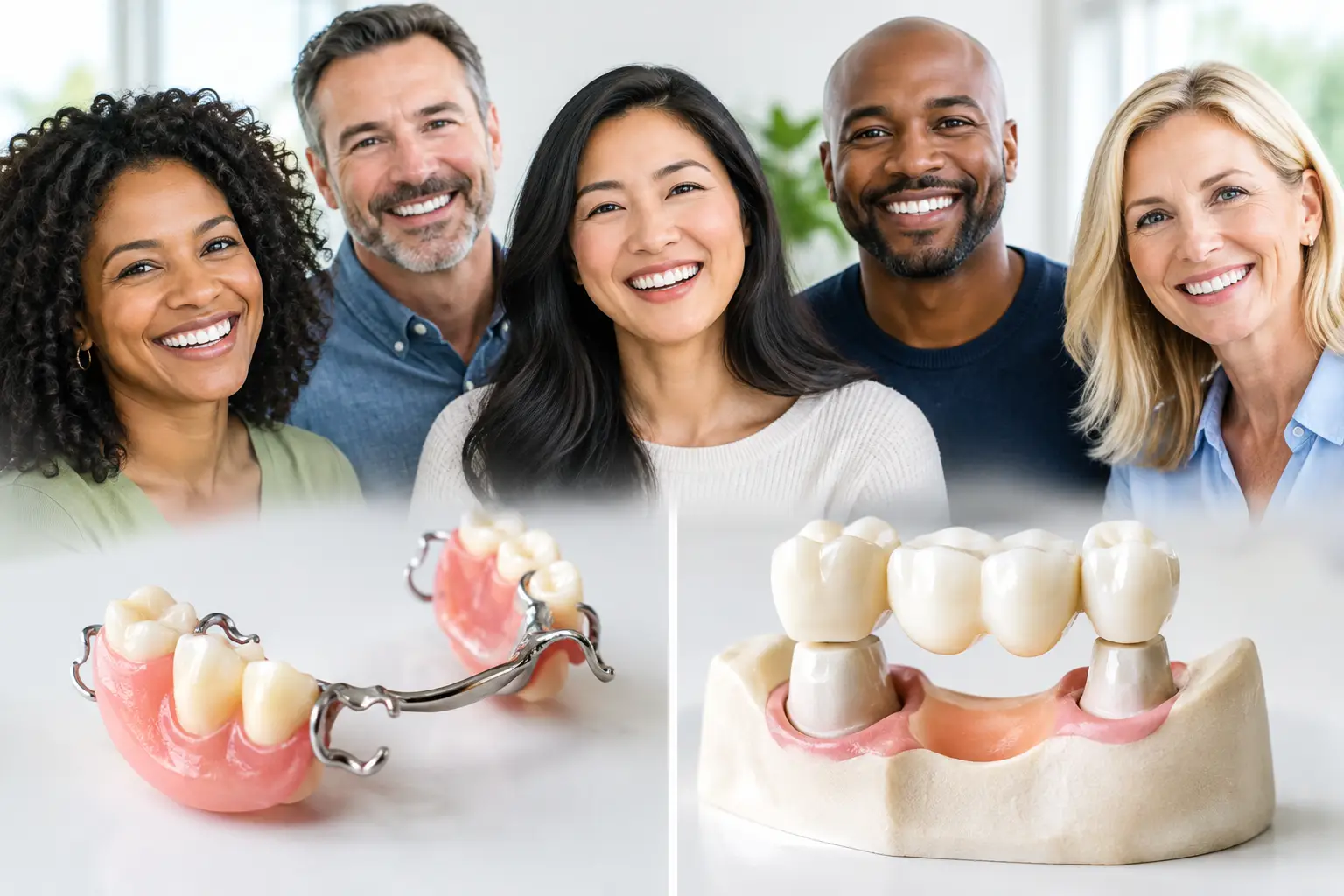

Understanding the Function of teeth goes beyond simply chewing. In our daily lives, adult teeth support eating, speaking, facial aesthetics, and overall oral health. When we talk about why teeth matter, we’re really looking at a system that blends biology, function, and quality of life. If you’re in Riverside, California, you may even think about how a trusted local expert can help you preserve these functions for years to come, including guidance from Dr. Ali Shmara, a dentist known for patient-centered care at Riverside Cosmetic Dentist.
What are the primary functions of adult teeth?
The primary, mechanical function of teeth is mastication: cutting, tearing, and grinding food to a consistency that makes swallowing safe and efficient. This mastication process is widely described as the teeth’s core function in medical references, forming the foundation for how we ingest a balanced diet (StatPearls Contributors, n.d.).
Mastication: the teeth’s core mechanical job
From Incisors that nip and cut to Molars that grind, each tooth type contributes to turning food into a swallowable bolus. The crown shape, tooth type, and the jaw’s bite alignment together shape how effectively we process different textures. That morphology-functions relationship is a central concept in anatomy texts, underscoring why damage or loss of teeth can disrupt eating and nutrition (StatPearls Contributors, n.d.).
Speech and phonation: teeth in articulation
Teeth influence how we form sounds and words. They help shape the bolus as it moves through the mouth and interact with airflow to support clear articulation. This “speech function” is a natural extension of the teeth’s role in the oral cavity and is discussed in depth in anatomy-and-physiology resources (StatPearls Contributors, n.d.).
Facial structure and esthetics: teeth contribute to appearance and aging signs
Teeth help maintain facial height and support the lips and cheeks. When teeth are missing or worn, changes in facial contours can occur, affecting aesthetics and the perception of age. Understanding this connection highlights why dental health is tied to self-confidence and overall appearance (StatPearls Contributors, n.d.).
Oral health foundation: teeth as part of a defense system
Beyond function, teeth contribute to the resilience of the entire oral environment. Healthy dentition supports oral cavity defense and long-term oral health. Conversely, severe wear, tooth loss, or disease can compromise not only function but comfort and facial harmony (StatPearls Contributors, n.d.).
Dentition as a functional system
The full picture of function emerges when we look at dentition as a system. The arrangement and number of teeth in adulthood set the stage for how effectively we chew and process food. In adults, the typical dentition comprises 32 permanent teeth, including incisors, canines, premolars, and molars—each type contributing to different steps of food processing. This diversity underpins our ability to handle a wide range of textures from crunchy to tender (Cleveland Clinic, n.d.).
Counts and types: why numbers matter for function
There are 8 incisors, 4 canines, 8 premolars, and 12 molars in a complete adult set. This distribution supports a spectrum of functions—from precise cutting and tearing to robust grinding. Knowledge of these roles helps explain why maintaining a full complement can matter for nutrition, speech, and overall oral wellness (Cleveland Clinic, n.d.).
Growth, development, and the life course
Children begin with 20 primary teeth that are later replaced by permanent teeth. Understanding this transition clarifies why early dental care and development matter for long-term function. Pediatric dentition provides the foundation for later chewing efficiency, speech development, and facial growth (Cleveland Clinic, n.d.).
Broader health implications: why function matters beyond the mouth
Teeth do not exist in isolation. Their condition can influence jaw position, facial aesthetics, and core functions like swallowing and breathing. When teeth are lost or significantly worn, these interdependent systems can be affected, illustrating why preventive care and timely treatment are vital for maintaining daily function (StatPearls Contributors, n.d.; MedlinePlus, 2024).
Regular dental care—such as cleanings and preventive services—supports ongoing function. Research and health guidance emphasize that maintaining teeth through preventive strategies helps preserve chewing efficiency, speech accuracy, and comfort, ultimately enhancing quality of life (MedlinePlus, 2024; WHO, n.d.).
Prevention and care: what you can do to protect function
- Visit your dentist regularly for professional cleanings—six months is a common interval for many adults, though your clinician may tailor this to your needs (MedlinePlus, 2024).
- Adopt effective at-home oral hygiene: brushing twice daily with fluoride toothpaste and daily flossing to remove plaque that can lead to decay and gum disease (AP News, 2023).
- Address early signs of wear or decay promptly to prevent progression that could compromise chewing or speech (AP News, 2023; StatPearls Contributors, n.d.).
- Consider preventive measures such as fluoride applications or sealants when recommended by your clinician (AP News, 2023).
- Maintain overall health and nutrition, since nutrition and systemic health influence oral health and function (WHO, n.d.).
For residents of Riverside, California, maintaining function is particularly accessible through local, patient-focused care. If you’re seeking a trusted provider who emphasizes education, prevention, and a supportive approach, you’ll want to learn more about Riverside Cosmetic Dentist and the expertise of Dr. Ali Shmara in the community.
Common questions about the function of adult teeth
- Why is chewing important beyond taste? Chewing breaks food into smaller pieces, increasing surface area for digestion and enabling safer swallowing. It also helps with nutrient extraction and influences saliva production, which protects teeth and supports digestion (StatPearls Contributors, n.d.).
- Do missing teeth affect speech? Yes. Missing teeth can alter articulation and resonance, potentially changing voice quality and sound formation, especially if front teeth are involved (StatPearls Contributors, n.d.).
- Can preventive care preserve function? Regular cleanings and preventive strategies reduce the risk of decay and gum disease, which in turn helps maintain chewing efficiency, facial support, and aesthetics (MedlinePlus, 2024).
- What about children’s teeth? Primary teeth establish the foundation for chewing and speech; they also guide the development of the permanent dentition. Protecting them sets up better function later in life (Cleveland Clinic, n.d.).
Real-world context: Riverside, California and a patient-centered approach
In our community, access to preventive care and education is a cornerstone of maintaining function across the lifespan. By partnering with a trusted local practice—such as Riverside Cosmetic Dentist—patients can receive individualized guidance on care plans that protect mastication, speech, and facial aesthetics. The expertise of Dr. Ali Shmara supports a patient-centered approach focused on prevention, timely treatment, and clear communication about how to preserve function over time. And for those seeking the latest evidence on how teeth contribute to health beyond the mouth, global health organizations emphasize oral health as an integral component of overall well-being (WHO, n.d.).
Key takeaways
- The Function of teeth includes chewing (mastication), speech and articulation, facial support, and overall oral health maintenance (StatPearls Contributors, n.d.).
- Adults typically have 32 permanent teeth, while children have 20 primary teeth. Understanding this dentition helps explain functional development and needs across life stages (Cleveland Clinic, n.d.).
- Preventive care supports long-term function and quality of life; regular cleanings and preventive measures help maintain chewing efficiency and aesthetics (MedlinePlus, 2024; AP News, 2023).
- For residents of Riverside, California, local professionals such as Dr. Ali Shmara at Riverside Cosmetic Dentist can guide care with a focus on prevention and function (StatPearls Contributors, n.d.; NIDCR, 2026).
References
- StatPearls Contributors. (n.d.). Physiology, Tooth. StatPearls. Physiology, Tooth.
- National Institute of Dental and Craniofacial Research. (2026). Tooth Loss in Adults (Ages 20 to 64). NIDCR, NIH. Tooth Loss in Adults (Ages 20 to 64).
- Cleveland Clinic. (n.d.). Teeth: Anatomy, Types, Function & Care. Cleveland Clinic. Teeth: Anatomy, Types, Function & Care.
- MedlinePlus. (2024). Dental care – adult. U.S. National Library of Medicine/NIH. Dental care – adult.
- World Health Organization. (n.d.). Oral health. WHO. Oral health.
- Healthdirect Australia. (n.d.). Mouth and teeth. Healthdirect. Mouth and teeth.
- InformedHealth.org (NCBI Bookshelf). (n.d.). In brief: How our teeth and jaws work together. NCBI Bookshelf. In brief: How our teeth and jaws work together.
- AP News. (2023). Do you need fluoride treatment after a teeth cleaning? Dental experts weigh in. The Associated Press. Do you need fluoride treatment after a teeth cleaning? Dental experts weigh in.