
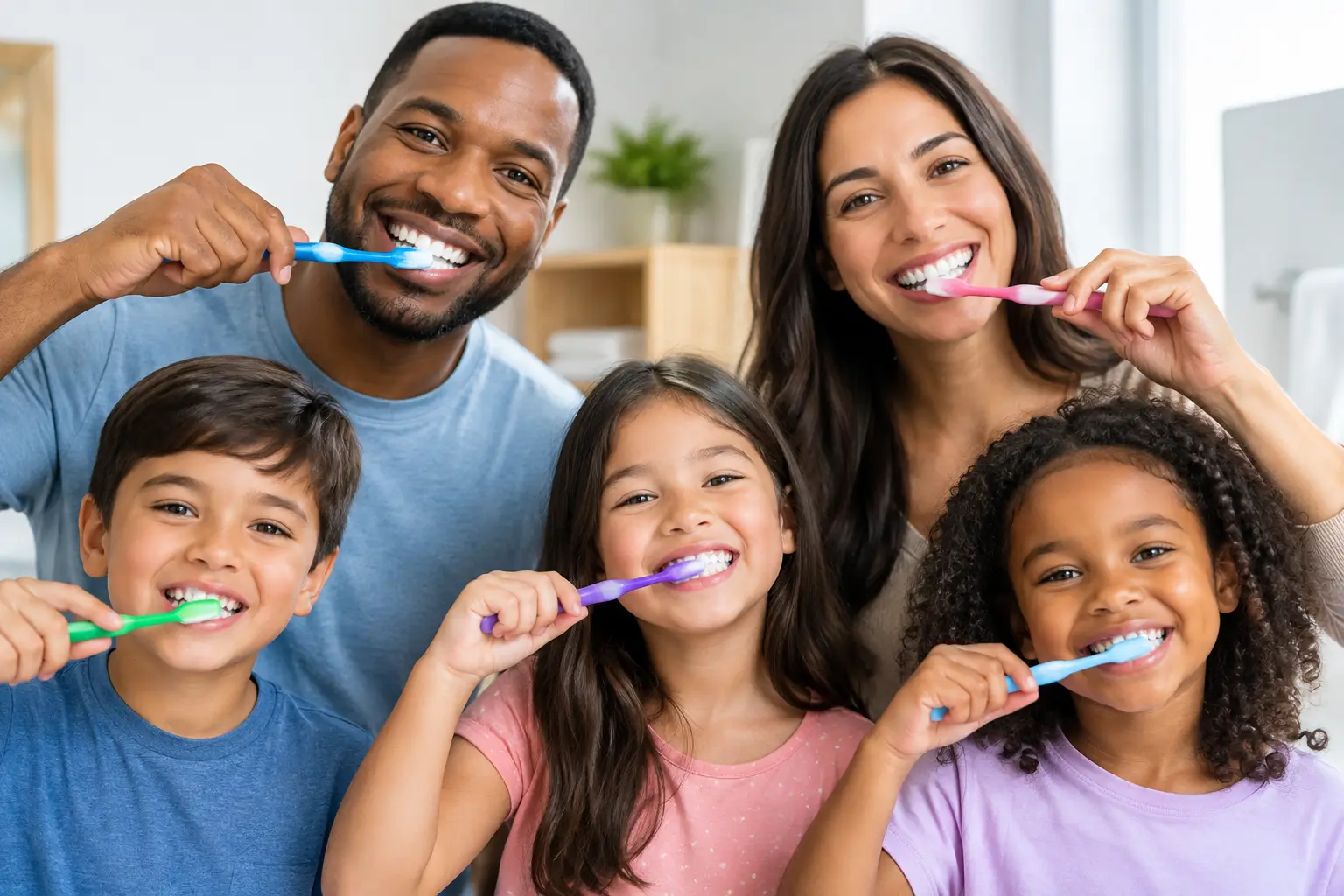
A child can feel perfectly fine and still have a cavity developing between teeth or under a weak spot in enamel. That is why learning how to protect kids teeth is less about chasing a perfect brushing routine and more about building a few consistent habits that work through busy school mornings, snacks, sports, and bedtime.
Start protection before the first tooth arrives
Oral care begins earlier than many parents expect. Before teeth erupt, gently wipe your baby’s gums with a clean, damp washcloth after feedings. This helps clear away milk residue and gets your child used to having their mouth cleaned.
Once the first tooth appears, use a soft, small-headed toothbrush twice a day. For children under age 3, use a smear of fluoride toothpaste about the size of a grain of rice. From ages 3 to 6, use a pea-sized amount. Parents should apply the toothpaste and supervise brushing, because young children often swallow more than they spit out.
Fluoride strengthens enamel, which is the hard outer layer of each tooth. The right amount is safe and effective, but the amount matters. If you use well water, ask your dentist or pediatrician whether the water contains fluoride before adding supplements.
Make brushing a nonnegotiable routine
The most dependable way to protect children’s teeth is simple: brush for two full minutes, twice daily, with fluoride toothpaste. Morning brushing clears the bacterial buildup that forms overnight. Bedtime brushing is especially important because saliva flow slows during sleep, giving cavity-causing bacteria more opportunity to use leftover sugars on teeth.
Children usually need hands-on help longer than parents realize. Most do not have the coordination to brush thoroughly until about age 7 or 8. Let younger children take a turn first so they can practice, then finish the job for them. Focus on the gumline, chewing surfaces, and the backs of the front teeth, where plaque can hide.
Flossing should start when any two teeth touch. A floss pick may be easier for a parent to use on a child, although traditional floss works well too. The goal is to clean between teeth where a toothbrush cannot reach. This is particularly valuable once permanent molars come in, because their deep grooves and tight contacts can make cavities more likely.
Make the two minutes easier
Resistance is normal, particularly when a child is tired. A simple routine can reduce nightly negotiation: brush at the same point in the bedtime sequence, use a timer or a favorite two-minute song, and let your child choose a toothbrush in a color or character they enjoy. The routine should feel calm, not like a punishment.
Avoid sending a child to bed with a bottle or sippy cup containing milk, formula, juice, or a sweetened drink. Frequent exposure is the problem. When liquid sits around the teeth during sleep, it can lead to severe early childhood cavities. Water is the safest choice after brushing.
Be strategic about snacks and drinks
Sugar does not have to be completely banned to protect kids’ teeth. What matters most is how often teeth are exposed. Each time a child eats or drinks something sugary or starchy, mouth bacteria produce acids that soften enamel for a period of time. A cookie with lunch is generally less damaging than slowly nibbling on crackers or sipping juice over several hours.
Offer water between meals whenever possible. Juice, sports drinks, flavored waters, soda, and sweet tea can all contribute to cavities. Even 100% fruit juice contains natural sugars and acids. If your child has juice, serve a small amount with a meal rather than letting them carry a cup throughout the day.
Choose snacks that are satisfying without coating teeth in sugar. Cheese, plain yogurt, eggs, vegetables, nuts when age-appropriate, and fresh fruit are practical options. Sticky foods such as gummies, fruit snacks, caramels, and dried fruit tend to cling to the grooves of teeth, so they are best treated as occasional foods rather than everyday snacks.
After a sweet treat, water is helpful. Brushing immediately after acidic foods or drinks is not always ideal because enamel may be temporarily softened. If possible, wait about 30 minutes before brushing after soda, citrus, or sports drinks.
Protect young enamel during sports and play
A chipped or knocked-out tooth can happen in seconds, whether a child plays organized sports or simply rides a bike in the neighborhood. A properly fitted mouthguard is one of the best ways to reduce the risk of dental injury during contact sports, skateboarding, biking, gymnastics, and similar activities with a fall risk.
Store-bought mouthguards can offer some protection, but a custom mouthguard made by a dentist generally fits more securely and is more comfortable to wear. Children are more likely to keep a mouthguard in when it does not feel bulky or make breathing difficult.
If a permanent tooth is knocked out, act quickly. Hold it by the crown, not the root, and gently rinse off visible dirt without scrubbing. If possible, place it back in the socket. If that is not possible, keep it in milk or have the child hold it inside their cheek if they are old enough not to swallow it. Seek emergency dental care immediately. Baby teeth should not be pushed back into the socket because doing so can damage the developing permanent tooth underneath.
Keep regular dental visits, even when nothing hurts
Cavities can be painless at first. By the time a child complains of toothache, decay may already be close to the nerve and require more involved treatment. Routine exams and cleanings allow a dentist to identify early changes before they become uncomfortable, expensive, or disruptive to school and family life.
Your child’s dentist may recommend X-rays when needed to check areas that cannot be seen during a visual exam, especially between back teeth. Dental sealants can also be a smart preventive option for children with newly erupted permanent molars. These thin protective coatings cover deep grooves where toothbrush bristles may not reach effectively.
Dental visits are also where families can get personal guidance. A child who is prone to cavities may benefit from more frequent fluoride treatments, dietary adjustments, or closer monitoring. Another child with healthy teeth and low risk may need a simpler preventive plan. Good care is individualized, not one-size-fits-all.
Watch for early warning signs
Call a dentist if your child reports tooth sensitivity, pain when chewing, a lingering ache, swollen gums, or a sore that does not heal. White, chalky patches near the gumline can sometimes be an early sign of enamel weakening, while brown or black spots may signal more advanced decay.
Bad breath that does not improve with brushing, bleeding gums, or a sudden reluctance to eat can also deserve attention. Do not assume that a problem in a baby tooth can wait because the tooth will eventually fall out. Baby teeth help children eat, speak clearly, and hold space for permanent teeth to erupt in the proper position.
Give your child a dental home they can trust
A positive relationship with a dentist can make prevention much easier over time. Children who feel safe during visits are more likely to carry healthy habits into adolescence and adulthood. Look for a practice that explains what is happening, welcomes parent questions, and treats concerns early with a gentle approach.
For families seeking comprehensive care in Riverside, California, Riverside Cosmetic Dentist and Dr. Ali Shmara provide preventive visits, cleanings, sealants, fillings, and timely care when dental pain or an injury cannot wait. A calm first experience can shape the way a child feels about dental care for years.
The best protection is not perfection. Brush and floss with your child, keep water close, make sugary treats occasional, and schedule care before small concerns become painful ones. Those ordinary choices add up to a healthier, more confident smile.