If you have ever sat in the dental chair wondering how often should adults get dental x rays, the honest answer is not every six months for everyone and not never, either. X-rays are one of those tools that work best when they are tailored to your actual risk, your dental history, and what your dentist sees during your exam.
For some adults, bitewing X-rays every year or two may be enough. For others, especially if there is active decay, gum disease, extensive dental work, or a history of frequent problems, imaging may be recommended more often. The right schedule is less about a fixed rule and more about catching issues early, before they turn into pain, broken teeth, or expensive treatment.
How often should adults get dental x rays in general?
Most healthy adults with a low risk of cavities and no major ongoing dental concerns do not need full sets of X-rays at every visit. In many cases, bitewing X-rays are taken every 12 to 24 months. These are the images that help dentists spot decay between teeth, check existing fillings, and monitor changes that are not visible during a routine exam.
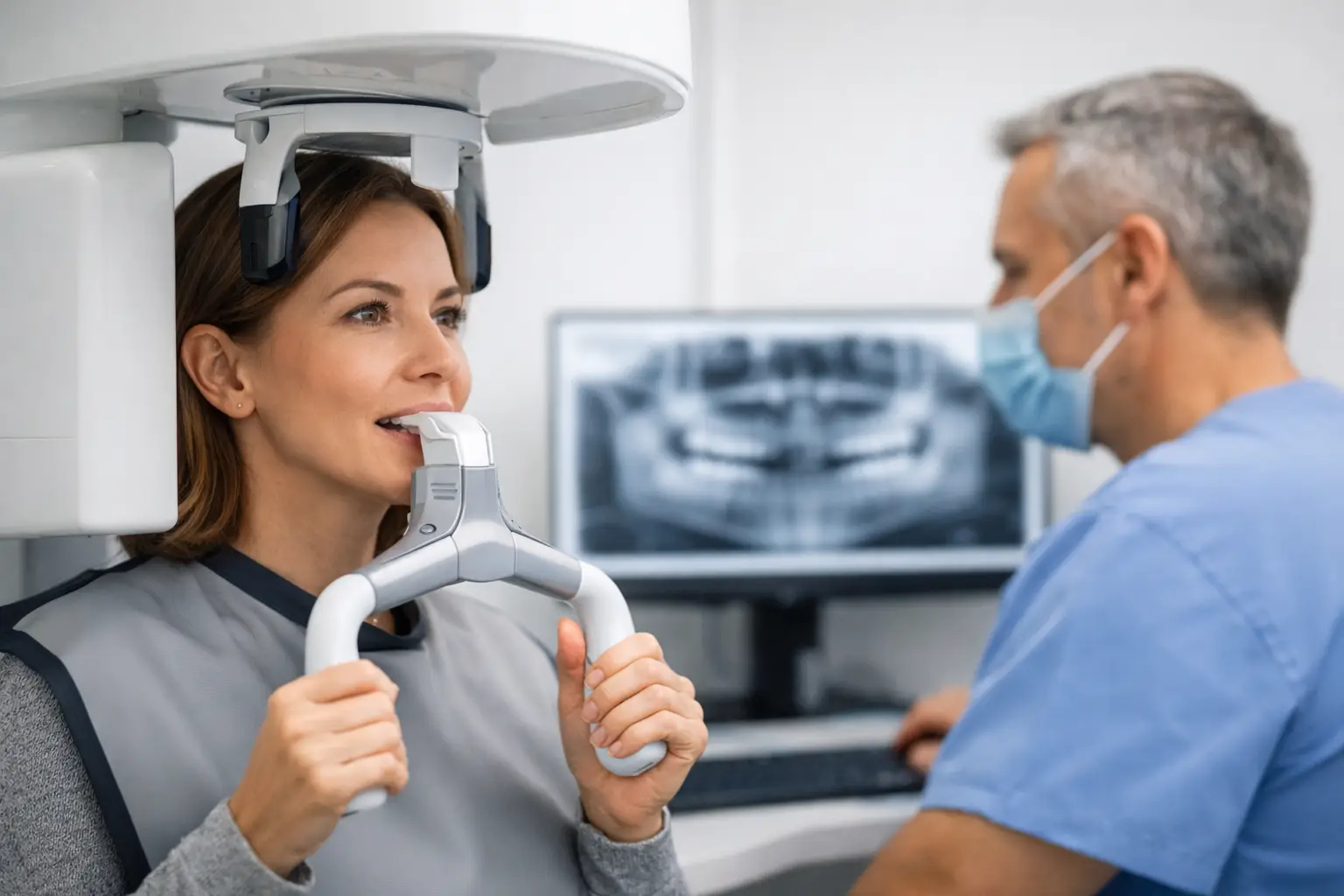
A full mouth series or panoramic X-ray is usually taken less often. That may happen when you are a new patient, when there has been a long gap in care, or when your dentist needs a broader view of the teeth, roots, bone, wisdom teeth, or jaw.
This is why there is no single number that applies to every adult. Dental X-rays are based on need, not on a one-size-fits-all calendar.
What changes how often adults should get dental X rays?
Your cavity risk is one of the biggest factors. If you rarely get cavities, keep up with cleanings, and have good home care, you may go longer between images. If you have dry mouth, frequent decay, heavy plaque buildup, or a diet high in sugar or acidic drinks, your dentist may recommend them sooner.
Gum health also matters. Adults with gingivitis or periodontal disease often need closer monitoring because bone loss happens below the gumline, where a visual exam alone cannot show the full picture. X-rays can reveal whether the supporting structures around the teeth are stable or changing.
Age and dental history matter too. Adults with crowns, bridges, implants, root canals, or many older fillings may need periodic imaging to check for hidden breakdown around existing work. A tooth can look fine on the surface but still have recurrent decay underneath a restoration.
If you have symptoms, the schedule changes immediately. Pain, swelling, sensitivity, a cracked tooth, or trauma after an accident can all call for same-day X-rays. In that situation, the goal is not routine screening. It is diagnosis.
Adults with low risk
If you have a consistent history of healthy exams and very few restorations, your dentist may space bitewings out to every 18 to 24 months. That approach avoids unnecessary imaging while still checking the places where cavities commonly hide.
Adults with moderate to high risk
If you are more prone to decay or gum problems, every 6 to 18 months may be more appropriate depending on what is being monitored. That does not mean something is seriously wrong. It means your dentist is watching changes before they become larger problems.
Adults getting major dental work
If you are planning crowns, implants, extractions, dentures, or cosmetic treatment, imaging may be part of diagnosis and treatment planning even if you recently had routine X-rays. Different procedures require different views.
Why X-rays matter even when your teeth feel fine
Many dental problems stay quiet for a long time. Cavities between teeth may not hurt until they are deep. Infections at the root can progress gradually. Bone loss from gum disease can continue without obvious symptoms until teeth start feeling loose.
That is where X-rays are so valuable. They help detect issues early, when treatment is usually simpler, less invasive, and less expensive. A small cavity may need a filling. The same area left undiscovered can turn into a crown or root canal later.
This matters for cosmetic work too. If you are thinking about improving your smile, hidden disease should be identified first. A beautiful veneer or crown still depends on healthy bone, gums, and tooth structure underneath.
Are dental X-rays safe for adults?
For most adults, dental X-rays are considered very safe. Modern digital X-rays use a low level of radiation, significantly less than older film systems. The amount is small, and dentists use them selectively rather than casually.
Still, thoughtful care matters. A good dental team does not order images just because it is routine. They look at your history, your current condition, and whether the result will actually change treatment decisions. That balance matters, especially for patients who are cautious about exposure or who have had many dental procedures over the years.
If you are pregnant or think you may be pregnant, tell your dental office. In many cases, necessary dental X-rays can still be taken with appropriate precautions, but timing and urgency should always be reviewed carefully.
How often should adults get dental x rays if they have fillings, crowns, or implants?
Usually more regularly than someone with no prior dental work. Restorations are strong, but they are not maintenance-free. Fillings can wear down. Crowns can develop decay at the margins. Implants need healthy surrounding bone and gums.
X-rays help your dentist check what cannot be seen from above. They can show whether bone levels are stable, whether a root canal tooth has signs of infection, or whether a small problem is developing under an older restoration.
This does not automatically mean you need X-rays at every appointment. It means your past dental work becomes part of the decision. Adults with extensive restorative history often benefit from more personalized intervals rather than broad guidelines.
When a dentist may recommend X-rays sooner than expected
Sometimes the recommendation has less to do with a standard schedule and more to do with a change in your mouth. If you have new sensitivity to cold, bleeding gums that are getting worse, food packing between teeth, or a crown that suddenly feels different, your dentist may want an updated image even if your last set was recent.
New patients often need X-rays too, especially if previous records are outdated or unavailable. That is not duplication for the sake of it. It gives the dentist a current baseline and helps create a treatment plan that is accurate, transparent, and specific to your needs.
For adults who have delayed care because of anxiety, busy schedules, or bad past experiences, updated X-rays are often the turning point. They clarify what is urgent, what can wait, and what options are available.
What to ask if you are unsure about your X-ray schedule
If you are wondering whether your recommendation is right for you, ask why the images are being taken and what your dentist is looking for. A clear answer should be easy to understand. You should know whether the goal is checking for cavities, tracking bone loss, evaluating pain, planning treatment, or establishing a baseline.
It is also reasonable to ask whether your risk level has changed. For example, if your home care has improved and you have had several stable visits, your interval may be able to change. On the other hand, if there is new gum disease, a dry mouth issue, or a pattern of recurring decay, more frequent imaging may be the safer choice.
A patient-centered office should make that conversation feel straightforward, not rushed.
The practical answer for most adults
So, how often should adults get dental x rays? For many adults, bitewing X-rays every 12 to 24 months is a common range. Adults with active issues, extensive dental work, or a higher risk of disease may need them more often. Full mouth or panoramic images are usually taken less frequently and based on diagnosis, treatment planning, or major changes in dental health.
If you are in Riverside and have not had a dental exam in a while, the best next step is not guessing. It is getting an exam with recommendations based on your own mouth, your history, and your goals. That is especially true if you want care that is gentle, clearly explained, and focused on both health and appearance, whether you need a routine checkup or something more involved.
The most helpful rule is simple: get X-rays when they answer a real clinical question, and do not wait until pain forces the issue.