
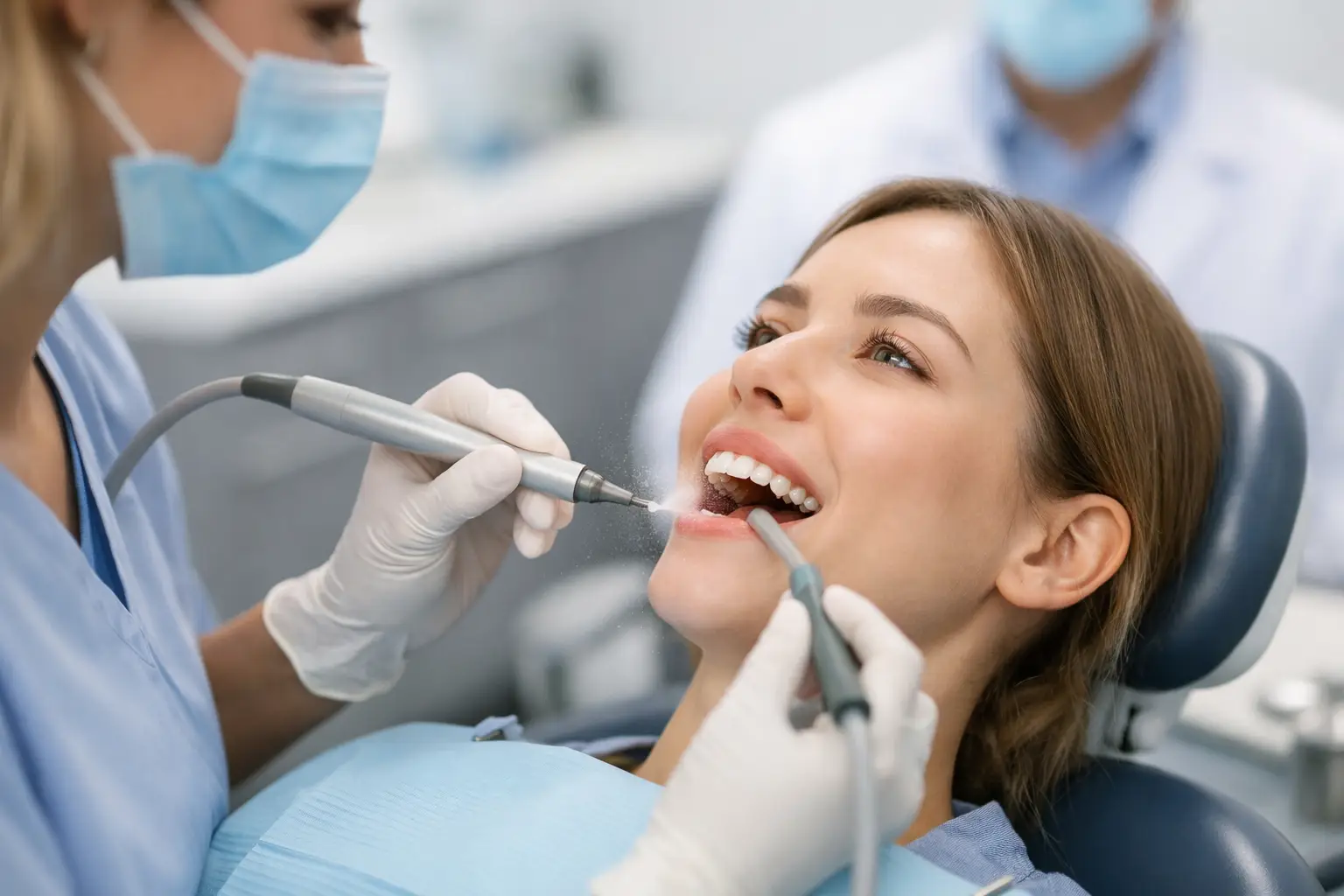
If you have ever sat in the parking lot wondering whether a dental cleaning will be quick, awkward, painful, or all of the above, you are not alone. One of the most common questions patients ask is what happens at a dental cleaning, especially if it has been a while since their last visit or they have had a rough experience somewhere else.
The good news is that a routine cleaning is usually straightforward, gentle, and far less stressful than people expect. For most patients, it is a preventive visit designed to remove buildup, check for early problems, and keep small issues from turning into expensive or uncomfortable treatment later.
What happens at a dental cleaning visit
A dental cleaning is not just someone quickly brushing your teeth with a fancy tool. It is a structured appointment that usually includes an exam, plaque and tartar removal, polishing, flossing, and sometimes X-rays, depending on your needs and how long it has been since your last images.
At many offices, the visit begins with a review of your medical history and any changes in your health. If you have tooth sensitivity, bleeding gums, jaw pain, dental anxiety, or a tooth that has been bothering you, this is the time to mention it. Those details help the team tailor the appointment to your comfort and flag areas that may need closer attention.
A quick exam comes first
Before or during the cleaning, a dental professional will usually take a close look at your teeth and gums. This helps identify visible concerns such as plaque buildup, gum inflammation, cavities, broken fillings, and signs of grinding or wear.
If your gums look irritated or there is heavier tartar buildup, your cleaning may need a different approach. That is where expectations matter. Some patients come in expecting a simple routine visit and learn they actually need periodontal treatment because gum disease has progressed beyond what a standard cleaning can address. That is not meant to alarm you. It is simply one reason regular preventive visits are so valuable.
X-rays may be taken when needed
Not every cleaning appointment includes X-rays, but many do at appropriate intervals. X-rays help detect decay between teeth, bone loss, infections, impacted teeth, and issues that cannot be seen during a visual exam alone.
If you are a new patient, have not had recent X-rays, or are having symptoms, updated images may be recommended. If everything has been stable and your last X-rays were recent, you may not need them at that visit. It depends on your oral health history, risk factors, and the dentist’s clinical judgment.
The cleaning itself
The part most people picture when they think about what happens at a dental cleaning is the removal of plaque and tartar. Plaque is a soft, sticky film of bacteria. Tartar is plaque that has hardened on the teeth and cannot be removed by brushing alone.
Using hand instruments, ultrasonic tools, or a combination of both, the hygienist carefully removes buildup from the surfaces of your teeth and around the gumline. You may hear scraping sounds or feel light pressure, but a routine cleaning is typically very manageable.
If you have not had a cleaning in a long time, there may be more buildup to remove, which can make the appointment take longer and feel more intense. Sensitive areas can usually be managed with a gentle technique, breaks, and clear communication. Patients who have avoided the dentist because they are worried about discomfort are often surprised by how comfortable the visit actually is when the team takes the time to explain each step.
Polishing and flossing
After tartar is removed, the teeth are often polished with a special paste and rotating brush. This helps smooth the tooth surfaces and remove minor surface stains. It is not a whitening treatment, but it can leave your teeth looking cleaner and feeling noticeably smoother.
Then your teeth are flossed to clear away any remaining debris and check the tightness and health of the contacts between teeth. If a specific area tends to trap food or bleed easily, you may get a tip on how to clean it better at home.
Fluoride may be recommended
Some patients receive a fluoride treatment after the cleaning. Fluoride can help strengthen enamel and lower the risk of decay, which is especially useful for children, cavity-prone adults, patients with dry mouth, or anyone with exposed root surfaces and sensitivity.
Not every adult needs fluoride at every cleaning. It depends on cavity risk, sensitivity, and overall dental history. A good dental office will explain whether it is recommended for you and why.
Does a dental cleaning hurt?
For most people, a standard dental cleaning feels more unusual than painful. You may notice pressure, vibration, cool water, or brief sensitivity in certain spots, especially if your gums are inflamed or your teeth are sensitive to cold.
Where things change is when there is significant tartar buildup or untreated gum disease. In those cases, your gums may be more tender, and deeper cleaning around the roots may be necessary. That is different from a basic preventive cleaning. If that is the case, the office should explain it clearly instead of surprising you mid-appointment.
If you are nervous, say so early. A patient-centered practice will slow down, talk you through each step, and help make the visit more comfortable. For patients in Riverside who want gentle care and clear communication, that reassurance can make all the difference.
How long does it take?
A routine cleaning often takes about 30 to 60 minutes, depending on whether it is combined with a full exam, X-rays, or a first-time patient visit. If your teeth and gums are generally healthy and you stay on schedule with preventive care, appointments are usually on the shorter end.
If there is more buildup, staining, or a need for detailed evaluation, it can take longer. That extra time is usually a good investment. It allows the team to be thorough and catch issues before they become more complicated.
What happens after a dental cleaning?
After your cleaning, your teeth will usually feel very smooth and clean. If you had a lot of tartar removed, your gums may feel slightly tender for a day or two, and cold foods or drinks may cause mild temporary sensitivity.
That sensation often fades quickly. Warm saltwater rinses, gentle brushing, and keeping up with flossing can help. If your dental team found any issues during the exam, such as a cavity, cracked filling, or signs of gum disease, they should review the next steps with you in plain language.
This is also when patients often get practical guidance about home care. Sometimes the advice is simple, like switching to a softer toothbrush, cleaning more effectively along the gumline, or using fluoride toothpaste consistently. Small changes at home can make your next cleaning easier and your mouth healthier in between visits.
How often should you get a cleaning?
For many patients, every six months is a reasonable schedule. But that is not a one-size-fits-all rule. Some people with excellent oral health may stay on a standard preventive schedule, while others with gum disease, frequent buildup, braces, dry mouth, or a high cavity risk may need cleanings more often.
The right interval depends on how quickly plaque and tartar accumulate, how healthy your gums are, and whether there are underlying conditions that affect oral health. A good office will recommend a schedule based on your actual needs, not a generic script.
Why cleanings matter more than people think
A dental cleaning may feel routine, but it does serious preventive work. It helps reduce the bacterial buildup that contributes to cavities, bad breath, gum disease, and inflammation. It also creates an opportunity to spot problems early, when treatment is simpler, more conservative, and less expensive.
That matters for families trying to stay ahead of dental costs, busy adults putting off care until something hurts, and patients who want to protect cosmetic work like crowns, veneers, or bonding. Keeping your mouth healthy is not separate from appearance. Clean, healthy gums and teeth support both comfort and confidence.
If you are looking for a local office that combines preventive care with a gentle, thorough approach, Riverside Cosmetic Dentist serves patients who want clear answers, personalized treatment planning, and a more comfortable dental experience. You can also learn more about the practice, the dentist, and care available in Riverside through their main service pages.
If it has been a while since your last visit, the hardest part is usually making the appointment. Once you are in the chair, a dental cleaning is often much simpler than the worry leading up to it.