
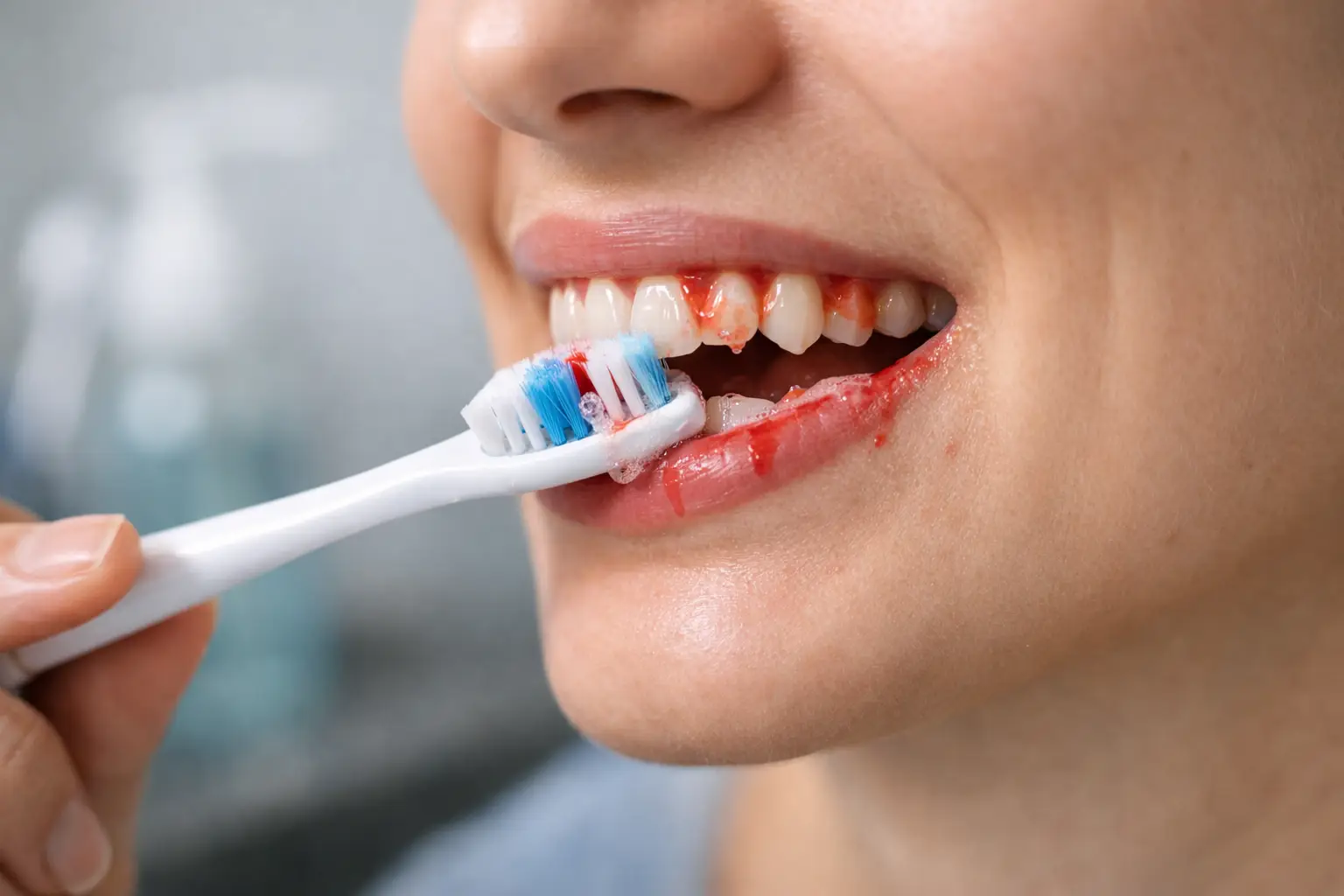
Seeing pink in the sink can be unsettling, especially if it happens more than once. If you have found yourself asking, why do my gums bleed when brushing, the short answer is that your gums are usually reacting to irritation, inflammation, or trauma. Sometimes the fix is simple. Other times, bleeding is an early warning sign that your gums need professional attention before a mild problem turns into something more serious.
Why do my gums bleed when brushing?
Most bleeding gums come down to inflammation. When plaque sits along the gumline, bacteria irritate the tissue and make it swollen, tender, and more likely to bleed with brushing or flossing. This stage is called gingivitis, and it is one of the most common reasons people notice blood during their daily routine.
That said, plaque is not the only explanation. Brushing too hard, using a stiff-bristled toothbrush, starting flossing again after a long break, or wearing appliances that rub the gums can all trigger bleeding. In some cases, certain medications, hormonal shifts, smoking, dry mouth, vitamin deficiencies, or underlying health conditions can play a role too. The pattern matters. Bleeding once after being a little too aggressive with a new toothbrush is different from bleeding every morning for three weeks.
The most common cause is gingivitis
Gingivitis is the earliest stage of gum disease, and it often begins quietly. Your gums may look a little redder than usual, feel puffy, or bleed when brushing and flossing, even if you are not in pain. That lack of pain is exactly why many people ignore it.
The good news is that gingivitis is usually reversible with better home care and a professional cleaning. The catch is that it does not usually get better by itself. If plaque hardens into tartar, it cannot be brushed away at home, and the inflammation tends to continue.
If bleeding is paired with bad breath, gum tenderness, or a film of buildup near the gumline, gingivitis moves higher on the list of likely causes.
Sometimes it is your brushing technique, not just your gums
A lot of people think cleaner means harder. It does not. Brushing with too much pressure can irritate the gumline and even contribute to gum recession over time.
A soft-bristled toothbrush and gentle circular motions are usually enough to clean effectively. If your toothbrush bristles splay out quickly, that is often a sign you are brushing too aggressively. The same goes for snapping floss into the gums instead of sliding it carefully around each tooth.
This is one of those it-depends situations. Brushing too hard can absolutely make healthy gums bleed, but if your gums are already inflamed from plaque, even normal brushing may cause bleeding. In other words, technique matters, but so does the condition of the tissue.
Other reasons gums may bleed
Bleeding gums are common, but they are not always simple. A few other causes deserve attention.
Hormonal changes during pregnancy can make gums more sensitive and reactive to plaque. Some blood thinners can increase bleeding. Smoking and vaping can affect gum health in complex ways, sometimes masking obvious signs until disease has progressed. Dry mouth can reduce the natural protective effect of saliva, which allows bacteria to build up more easily.
Nutritional issues, especially low vitamin C or vitamin K, can contribute, although they are less common than plaque-related inflammation. Poorly fitting dentures, retainers, or aligners may irritate a specific area. And if bleeding happens easily in other parts of the body too, your dentist or physician may want to rule out a broader medical issue.
What you should do at home right away
If your gums bleed when brushing, the answer is not to stop brushing. That usually makes things worse because plaque keeps building up. Instead, focus on brushing more gently and more thoroughly.
Use a soft-bristled toothbrush twice a day, angle the bristles toward the gumline, and clean with light pressure for a full two minutes. Floss once a day, even if the gums bleed at first. If inflammation is the issue, many people notice less bleeding after several days of consistent cleaning, not more.
An antibacterial or alcohol-free mouth rinse may help reduce irritation, but it should not be treated as a substitute for brushing and flossing. Staying hydrated can help if dry mouth is part of the problem. If you recently switched to a hard-bristled brush, go back to soft. If you use an electric toothbrush, let the brush do the work rather than pressing down.
What you should not do is scrub harder, ignore the bleeding, or assume mouthwash alone will solve it.
When bleeding gums mean you should schedule a dental visit
If the bleeding lasts longer than about a week despite good home care, it is time to have your gums evaluated. The same is true if you notice persistent bad breath, swollen gums, gum recession, tenderness, loose teeth, or pain when chewing.
At that point, the question is no longer just why do my gums bleed when brushing. It becomes whether gum disease has moved beyond gingivitis into periodontitis, which affects the structures supporting the teeth. Periodontitis is more serious and may require deep cleaning and ongoing periodontal care.
A dental exam can also help identify issues you cannot see at home, like tartar below the gumline, faulty restorations trapping plaque, or an infection developing in a specific area. Early treatment is usually simpler, more comfortable, and less expensive than waiting until the problem escalates.
What treatment may look like
Treatment depends on the cause. For mild gingivitis, a professional cleaning and better home hygiene may be enough. If tartar has built up below the gums, a deeper periodontal cleaning may be recommended to remove bacteria and give the tissue a chance to heal.
If bleeding is caused by trauma from brushing, your dentist may simply recommend a softer brush and improved technique. If a restoration, denture, or orthodontic appliance is irritating the gums, an adjustment may solve it. When medications or health conditions are involved, dental care may need to be coordinated with your physician.
What matters most is not guessing. Bleeding is a symptom, not a diagnosis.
Why early attention matters
Gum disease does not only affect your gums. As it progresses, it can lead to recession, bone loss, loose teeth, and eventually tooth loss. It can also make cosmetic and restorative dental work harder to maintain over time. Healthy gums are the foundation for everything from comfortable chewing to a confident smile.
That is one reason patients who are focused on appearance should not overlook gum health. Teeth can look fairly clean while the gum tissue is quietly inflamed. If you are investing in your smile, healthy gums need to be part of the plan.
For patients in Riverside who want straightforward answers and gentle care, Riverside Cosmetic Dentist evaluates bleeding gums as part of a larger picture – comfort, function, and long-term oral health. If you have been putting it off because you are worried the visit will be uncomfortable or complicated, this is exactly the kind of issue that is easier to handle early.
A few signs your gums may be getting healthier
When inflammation starts to settle down, your gums usually look less red and puffy. Brushing feels easier. Flossing causes less bleeding. Your breath may improve too.
That improvement can happen within days for mild irritation, but not every case resolves quickly. If bleeding continues even though you are brushing gently and cleaning consistently, do not assume you just need more time. Persistent symptoms deserve a professional look.
Bleeding gums are common, but they are not something to normalize. Your mouth is giving you useful information. Paying attention now can spare you a more involved problem later, and your gums will usually tell you when they are finally getting the care they needed.