
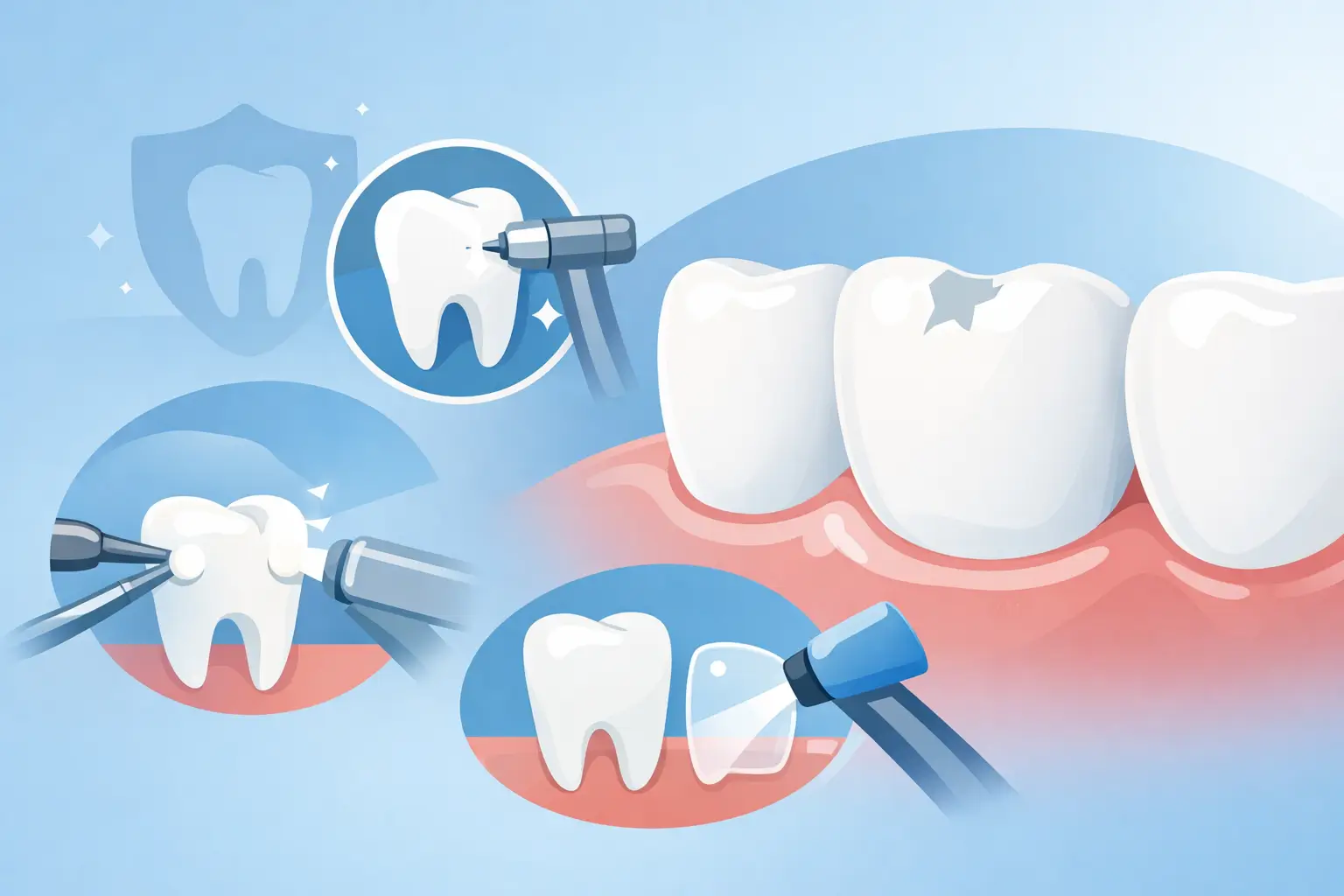
A chipped front tooth can ruin your day in seconds. Maybe it happened while eating, during a fall, or from biting something harder than expected. If you are wondering what fixes chipped front teeth, the answer depends on how deep the damage goes, whether the nerve is involved, and how important the cosmetic result is to you.
Front teeth matter for more than appearance. They help you speak clearly, bite into food, and smile without thinking about it. Even a small chip can feel sharp against your lip or make you self-conscious in conversations. The good news is that modern Riverside dentistry offers several effective ways to repair chipped front teeth, and many of them look very natural.
What fixes chipped front teeth depends on the damage
There is no one-size-fits-all fix. A tiny surface chip is very different from a front tooth that is cracked, painful, or partly broken off. The right treatment usually comes down to four things: how much tooth structure is missing, whether the tooth is sensitive, where the chip is located, and how long you want the repair to last.
A Riverside dentist will typically check the tooth visually, test for tenderness, and often take an X-ray to make sure the root and surrounding bone are healthy. That matters because some chips look minor from the outside but involve a deeper crack underneath.
For small chips, cosmetic bonding is often the simplest fix
Dental bonding is one of the most common treatments for minor to moderate chips on front teeth. A tooth-colored resin is shaped directly onto the tooth, then hardened and polished to blend in with your natural enamel.
For many patients, bonding is the fastest and most affordable option. It usually requires very little removal of natural tooth structure, which makes it a conservative treatment. It is especially useful when the chip is small, on the edge of the tooth, and the rest of the tooth is still strong.
The trade-off is durability. Bonding can look excellent, but it is not as strong as porcelain. If you bite your nails, chew ice, grind your teeth, or use your front teeth to open packages, bonding may chip again over time. Still, for the right case, it can be a very attractive solution.
Veneers can fix chips when appearance is the top priority
If the chip is visible and you want the most polished cosmetic result, veneers may be recommended. Veneers are thin porcelain coverings that are bonded to the front surface of the tooth.
This option is often chosen when the tooth has more than just a chip. If there is also discoloration, uneven shape, small gaps, or general wear, a veneer can improve the overall appearance in a more complete way than bonding. Porcelain also resists stains better than composite resin, which can be appealing if you want long-term esthetics.
That said, veneers are not the best fit for every chipped tooth. They usually require more planning, more investment, and some enamel reshaping. If the tooth is badly weakened or the damage extends too far, a veneer may not provide enough support.
Crowns are used when the tooth needs more strength
A crown covers the entire visible part of the tooth. This is usually the better answer when a large portion of the front tooth is missing, the tooth has an old large filling, or the remaining structure is too weak for bonding or a veneer.
Crowns are designed to restore both strength and appearance. For front teeth, all-ceramic or porcelain crowns can be made to match surrounding teeth very closely. If your chipped front tooth is also cracked, worn down, or structurally compromised, a crown may offer the best long-term protection.
The downside is that a crown is a more involved restoration. More of the tooth has to be shaped to make room for it. In many cases, that is completely appropriate, but it is not usually the first choice for a very small chip.
When a chipped front tooth needs more than a cosmetic repair
Not every chip is just cosmetic. If the tooth is painful, extra sensitive to temperature, bleeding, or has a pink or dark area in the center, the inner portion of the tooth may be affected.
Root canal treatment may be needed if the nerve is injured
When a chip exposes or damages the pulp inside the tooth, simply covering the outside is not enough. In that case, root canal treatment may be necessary to remove inflamed or infected tissue and save the tooth. After that, the tooth is usually rebuilt with a filling, bonding, veneer, or crown depending on how much structure remains.
This is one reason it is smart not to wait. A tooth that seems merely chipped can become more painful or more difficult to treat if bacteria reach the pulp.
Reattachment may be possible if you saved the broken piece
If a larger piece of the front tooth broke off and you still have it, bring it with you. In some cases, the fragment can be bonded back into place. This is not always possible, but when it works, it can be a very conservative and natural-looking repair.
If you do save the piece, handle it carefully and keep it moist in milk or saliva until you can be seen.
What to do right after you chip a front tooth
First, rinse your mouth with warm water. If there is bleeding, apply gentle pressure with clean gauze. If the area is swollen, use a cold compress on the outside of your cheek.
Try not to chew on that side, and avoid very hot, very cold, or hard foods. If the edge feels sharp, dental wax from a pharmacy can help protect your lip or tongue temporarily. Over-the-counter pain reliever may help, but it does not replace an exam.
If the chip is large, the tooth hurts, or the tooth was loosened by trauma, call a dentist right away. Same-day care is often the best move for front tooth injuries because appearance, comfort, and long-term tooth survival can all be affected by timing.
How dentists choose the best fix for chipped front teeth
The best treatment is not always the biggest treatment. A good dentist will look at the smallest option that predictably restores the tooth while still giving you a result that looks right and holds up.
If the chip is tiny and you are not in pain, smoothing and polishing may be enough. If the chip changes the shape of the tooth or catches on your lip, bonding may be ideal. If you want a more refined cosmetic result or have several esthetic concerns, veneers may make sense. If the tooth is seriously weakened, a crown may be the safer choice.
Your bite matters too. Some patients chip front teeth because of nighttime grinding or the way their teeth come together. In those cases, fixing the chip without addressing the pressure can lead to repeat damage. A night guard or bite adjustment may be part of the long-term plan.
Cost, longevity, and what to expect
Many patients want to know not only what fixes chipped front teeth, but which fix gives the best value. That depends on your goals.
Bonding is often the most cost-effective and quickest option, especially for smaller chips. Veneers generally cost more, but they can offer a more dramatic cosmetic improvement and better stain resistance. Crowns are often worth the investment when the tooth needs real structural support.
Longevity also varies. Bonding can last for years with good care, but it may need touch-ups sooner than porcelain. Veneers and crowns often last longer, though they still require careful maintenance and regular exams. No restoration is indestructible, especially on front teeth that handle daily biting forces.
When to stop searching and get seen
If your front tooth is chipped and you are unsure how serious it is, the safest next step is a professional evaluation. Waiting can turn a manageable repair into a more complex one, especially if a crack spreads or the tooth becomes infected.
For patients who want both gentle care and a natural-looking result, a cosmetic and restorative dental office is often the right place to start. At Riverside Cosmetic Dentist, treatment planning is centered on preserving healthy tooth structure, explaining your options clearly, and helping you feel comfortable from the first visit.
A chipped front tooth can feel urgent because it changes how you look and how your mouth feels right away. The good news is that most cases can be repaired very effectively, often with results that look like the chip never happened. The sooner you have it checked, the more options you are likely to have.