
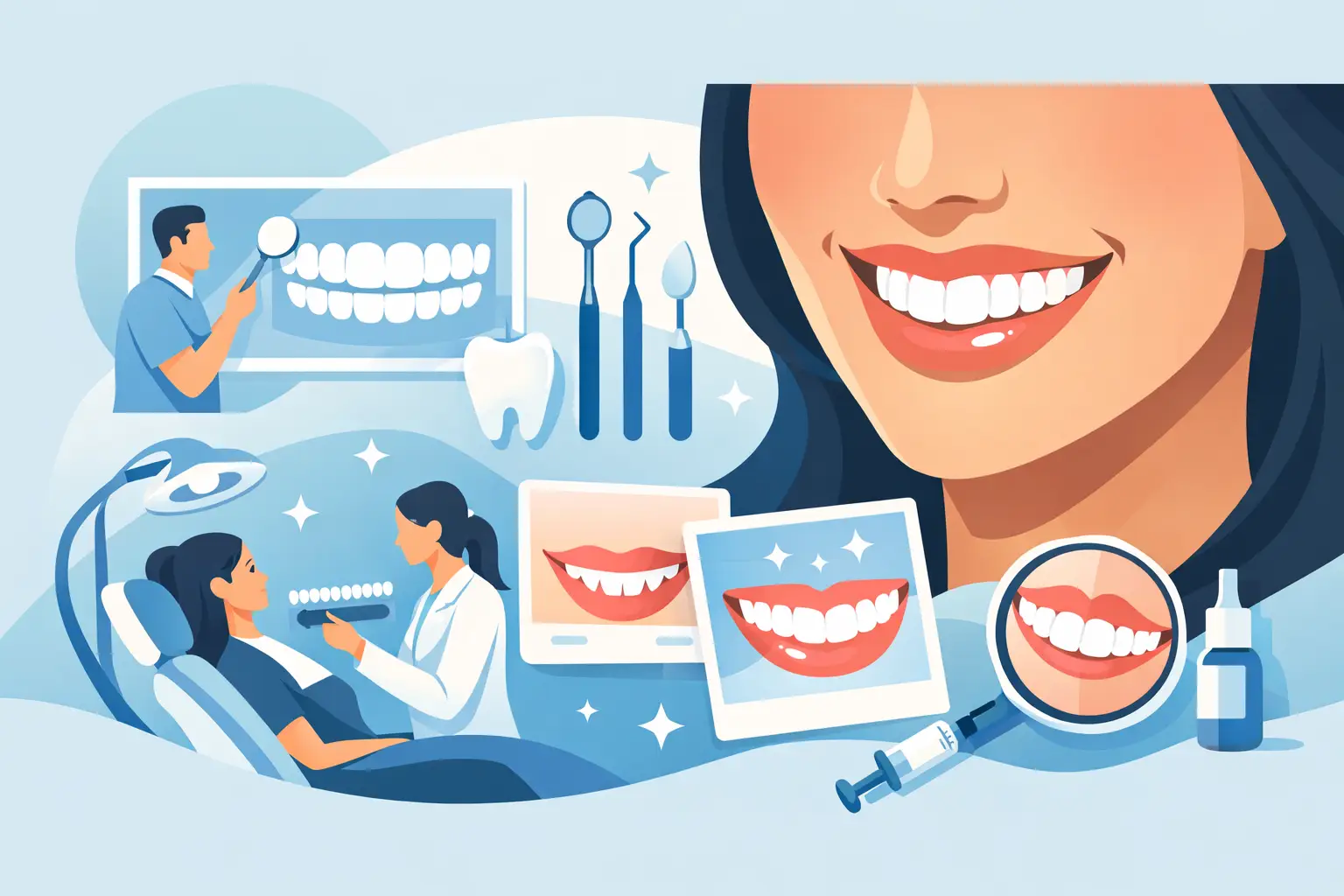
If you have ever looked at your teeth in photos and thought, I want to fix this, but I do not even know where to start, you are not alone. One of the most common questions dental patients in Riverside ask is, how does a smile makeover work? The short answer is that it is not one single treatment. It is a personalized plan that combines the right cosmetic and restorative procedures to improve how your smile looks, feels, and functions.
A good smile makeover is never guesswork. It starts with a close look at your teeth, gums, bite, oral health, and goals. Some patients want whiter, straighter teeth. Others want to repair chips, replace missing teeth, or correct years of wear. The best results come from building a plan around the person, not forcing every patient into the same treatment path.
How does a smile makeover work step by step?
The process usually begins with a consultation and exam. Your dentist will talk with you about what bothers you, what kind of result you want, and whether there are any health issues that need attention first. This is also the time to discuss your timeline, budget, and any anxiety you may have about treatment.
Next comes a full evaluation. That may include digital X-rays, photos, and a careful exam of your teeth and gums. Cosmetic improvements look best when the foundation is healthy, so problems like decay, gum disease, old failing dental work, or bite issues often need to be addressed before the cosmetic phase begins.
From there, your dentist creates a treatment plan. This is where smile makeovers become highly customized. One patient may only need whitening and bonding. Another may need veneers, crowns, gum contouring, and an implant. The plan should be clear, realistic, and explained in a way that makes each step easy to understand.
What treatments can be part of a smile makeover?
A smile makeover can include several different procedures, depending on your needs. Teeth whitening is one of the simplest options and works well for stains caused by coffee, tea, wine, or natural aging. It can brighten the smile quickly, but it does not change the shape or position of teeth.
Dental bonding is often used for small chips, uneven edges, minor gaps, and discoloration. It is a more conservative option than veneers in many cases, though it may not last as long under heavy wear.
Veneers are a popular choice when patients want a more dramatic cosmetic change. They can improve color, shape, size, and symmetry. Veneers are often chosen when several front teeth need a uniform, polished look.
Crowns may be recommended when a tooth is damaged, heavily filled, worn down, or structurally weak. A crown can improve appearance, but it also adds strength and protection. That makes it a common part of makeovers where function matters as much as looks.
Orthodontic treatment, including clear aligners in some cases, may be part of the plan if teeth are crowded, rotated, or unevenly spaced. Straightening teeth first can sometimes reduce the need for more aggressive cosmetic work later.
If teeth are missing, implants, bridges, or dentures may be included. Missing teeth affect more than appearance. They can change your bite, your speech, and your long-term oral health. Replacing them is often a key part of creating a complete, natural-looking result.
Gum contouring may also be recommended if the gumline looks uneven or if a gummy smile makes the teeth appear short. Small adjustments to the gums can make a surprisingly big difference in smile balance.
Why oral health comes first
Patients sometimes expect to start with the cosmetic part right away, but that is not always the smartest move. If you have active decay, inflamed gums, infection, or untreated tooth damage, those issues need attention first. Cosmetic work placed on an unhealthy foundation is more likely to fail or create bigger problems later.
This is one reason smile makeovers should be planned by a dentist who looks at the full picture, not just the front teeth. A beautiful smile should still be comfortable to bite with, easy to clean, and built to last.
How long does a smile makeover take?
The timeline depends on what your smile needs. Some patients can complete treatment in just a few visits, especially if the plan involves whitening, bonding, or a small amount of reshaping. More complex cases can take several months.
For example, if you need gum treatment first, or if teeth need to be moved before veneers or crowns are placed, the process will naturally take longer. Implant treatment also adds time because healing and integration are part of the process.
That said, longer does not mean harder. When the steps are explained clearly, the process usually feels more manageable than patients expect. At Riverside Cosmetic Dentist, treatment planning is designed to be transparent, so patients know what comes first, what can wait, and what kind of result each phase is meant to achieve.
What determines the cost?
There is no single price for a smile makeover because there is no single version of one. Cost depends on the number of teeth involved, the types of procedures needed, the materials used, and whether any restorative or health-related treatment has to happen before the cosmetic work begins.
A modest makeover focused on whitening and minor bonding will cost much less than a full reconstruction involving veneers, crowns, implants, or bite correction. That is why a real exam matters. Online estimates can be misleading because they do not account for the health, structure, and goals unique to your case.
Patients also deserve clarity here. A trustworthy dentist will explain what is necessary, what is optional, and where there may be more than one reasonable approach. In some cases, treatment can be phased over time to make it more practical financially.
How to know if a smile makeover is right for you
You do not need perfect teeth to qualify, and you do not need to want a dramatic Hollywood look either. Many smile makeovers are actually quite conservative. The goal is often to help your smile look healthier, more even, and more natural, not fake or overdone.
You may be a good candidate if you feel self-conscious about stained, chipped, worn, uneven, gapped, or missing teeth. You may also benefit if older dental work no longer looks good or functions well. Patients who have put off care for years often assume their case is too far gone, but that is not usually true. With the right plan, even complex smiles can improve significantly.
The biggest question is not whether your teeth look bad enough. It is whether your smile is keeping you from feeling comfortable, confident, or fully yourself.
What results should you expect?
A well-planned smile makeover should look like you, just healthier and more confident. The best cosmetic dentistry respects your facial features, skin tone, lip shape, bite, and age. Teeth that are too white, too bulky, or too uniform can look unnatural, even if the dental work itself is technically good.
This is where skill and judgment matter. Great results are not only about using quality materials. They come from listening carefully, planning precisely, and choosing treatments that fit your face and long-term oral health.
It is also worth knowing that maintenance matters. Whitening may need touch-ups. Bonding can stain or wear over time. Veneers and crowns are durable, but they still require good home care and regular dental visits. A smile makeover is an investment, and protecting it is part of the process.
Questions to ask before you start
Before moving forward, ask your dentist what problems need to be treated first, what options you have, how long the process will take, and what the final result is expected to look like. You should also ask about maintenance, cost, and whether treatment can be phased.
You should never feel rushed into cosmetic treatment. A good consultation should leave you feeling informed, not pressured. The right dentist will explain the trade-offs clearly. For example, veneers may create a bigger visual change, while bonding may preserve more natural tooth structure. Whitening is faster and simpler, but it will not fix chips or spacing. There is rarely just one correct answer.
A smile makeover works best when it is built around trust. When your dentist understands your goals, explains your options honestly, and prioritizes both comfort and function, the process becomes much less intimidating.
If your smile has been bothering you for a while, the first step does not have to be a big one. It can simply be a conversation about what is possible, what makes sense for your teeth, and what would help you feel good when you smile again.