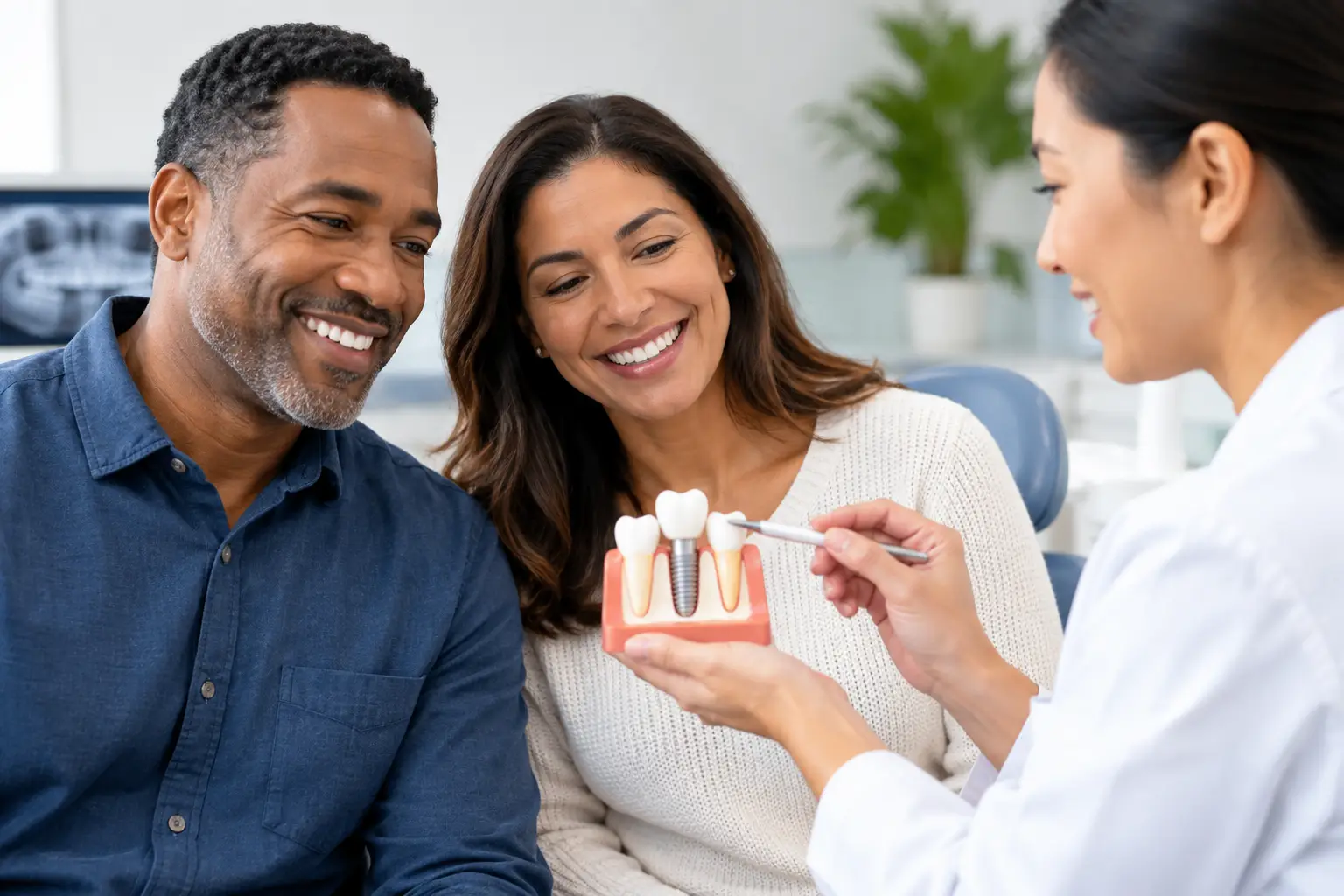

Am I a good candidate for a Dental Implant? If you’re weighing this question, you’re not alone. In practice, being a strong Dental Implant Candidates depends on a thoughtful balance of your overall health, the health of your mouth, the amount and quality of bone, and your commitment to surgical care and long-term maintenance. With well-chosen candidates, implants can offer durable, natural-feeling tooth replacement, but certain conditions and habits can influence healing and outcomes. A clinician’s careful assessment, including imaging and medical clearance when needed, provides the clearest guidance for you.
What makes someone a good Dental Implant Candidate?
Generally, reputable guidelines emphasize three interlocking foundations for implant success: a healthy systemic state, good oral health, and sufficient bone support—or a plan to obtain it through grafting if needed. When these foundations are in place, implants tend to perform very well in the long term.
- Overall health status and healing ability. The FDA notes that a patient’s general health influences healing, implant integration, and long-term success (U.S. Food and Drug Administration, 2019/2020).
- Oral health: free of active decay and gum disease. The European Federation of Periodontology emphasizes that a mouth must be in healthy condition, with no untreated decay or active gum disease, before moving forward with implants (European Federation of Periodontology, 2024).
- Bone quantity and quality: enough bone to support the implant, or a clear plan for bone grafting or other reconstruction if needed (multidisciplinary planning is common when bone loss is present) (American Academy of Periodontology, 2024).
- Lifestyle factors: smoking and poorly controlled diabetes are associated with higher risk of complications and less favorable outcomes (Esposito et al., 2008).
- Commitment to long-term care: implants require thorough maintenance, ongoing dental visits, and good oral hygiene to optimize success (American College of Prosthodontists, n.d.).
When a patient meets these criteria and has a well-structured treatment plan—often including imaging, risk discussion, and tailored surgical/loading sequences—the prognosis for implant success is favorable in most cases (AC Pro/ACP, n.d.; FDA, 2019/2020). It’s important to recognize that candidacy is individualized; even with risk factors, implants can be feasible under guided protocols and with multidisciplinary care (FDA; ADA).
What factors influence candidacy? A practical overview
Systemic health
General health plays a central role in healing, implant integration, and longevity. Diabetes, immune disorders, and certain medications can affect outcomes, so medical clearance may be an integral part of the planning process (FDA, 2019/2020; ADA, n.d.).
Oral health and periodontal status
Active gum disease and untreated tooth decay present risks for implant therapy. Before placing implants, clinicians commonly work to control periodontal disease and optimize oral health—often in collaboration with periodontists or other specialists (European Federation of Periodontology, 2024; Cochrane Collaboration, 2022). Glycemic control in patients with diabetes also contributes to better soft-tissue and bone outcomes around implants (Cochrane Collaboration, 2022; Esposito et al., 2008).
Bone quantity and quality
Implant stability depends on sufficient bone. If bone is limited, bone grafting or regenerative procedures may be planned to ensure solid support and proper implant placement. Imaging such as CBCT helps map bone height, width, and density to guide treatment decisions (AAP/Perio; ADA guidance on imaging and planning).
Lifestyle factors
Smoking has been associated with less favorable implant outcomes, and this is often discussed during candidacy assessment. Quitting or reducing smoking around the time of surgery can improve healing, although individual factors matter (Esposito et al., 2008).
Maintenance commitment
Successful implants rely on consistent home care and professional maintenance. Patients who prioritize oral hygiene and regular checkups tend to realize the best long-term results (AC Pro, n.d.).
What does the diagnostic workup look like?
Expect a thorough, individualized evaluation rather than a one-size-fits-all approach. The most reliable guidance comes from professional associations and systematic reviews that emphasize personalized imaging, medical clearance when indicated, and careful planning for placement and any preparatory procedures (FDA; ADA; AAP/Perio; Cochrane).
- Medical clearance when indicated: your general health will influence healing times and implant integration (FDA, 2019/2020).
- Periodontal evaluation: assessment and treatment of gum disease to reduce risk before implant therapy (European Federation of Periodontology, 2024; Cochrane Collaboration, 2022).
- Imaging and planning: CBCT imaging to evaluate bone and anatomy, followed by a detailed treatment plan that may include bone grafting or staged loading (AAP/Perio, 2024).
- Risk discussion: realistic expectations about outcomes, potential complications, and maintenance requirements (ADA; ACP, n.d.).
Costs and access: what to expect
Costs for dental implants vary widely by region, practice, and complexity of care. Regional price variation is common even within the same country, so consult local providers for estimates and possible financing options (Statista, 2022). When budgeting, remember that prices reflect the entire treatment trajectory—implant placement, possible grafting, restoration, and long-term maintenance—rather than a single procedure (ACP, n.d.).
Meet the specialist and plan your next steps
In Riverside, we work with a trusted team led by Dr. Ali Shmara, a dentist who leads implant planning at Riverside Cosmetic Dentist in Riverside, California. He collaborates with patients to develop individualized treatment plans that align with health status, bone condition, and personal goals. If you’re considering implants, a personalized assessment helps determine candidacy, timing, and the most suitable protocol for your situation.
What to expect next and how to get started
If you’re ready to explore implant candidacy, the first step is a professional evaluation with a clinician who can interpret imaging, review medical history, and discuss options. A candidacy assessment typically includes medical clearance when needed, a periodontal health check, imaging (including CBCT if indicated), and a risk-versus-benefit discussion tailored to you.
To take the next step with a trusted Riverside practice, you can reach Riverside Cosmetic Dentist via their contact page for details on scheduling and hours. For convenience, you’ll find the practice’s location in Riverside, California, and the team ready to guide you through the process.
Key takeaways
- Dental implant candidacy rests on a combination of systemic health, oral health, and bone support. A clinician’s assessment is essential to determine suitability (FDA, 2019/2020; European Federation of Periodontology, 2024).
- Active gum disease or untreated decay should be addressed before implants; in many cases, a periodontal treatment plan is part of the path to implants (Cochrane Collaboration, 2022; European Federation of Periodontology, 2024).
- Smoking and diabetes can affect outcomes; discussing these factors openly helps tailor the approach (Esposito et al., 2008; Cochrane Collaboration, 2022).
- Costs vary by region and case complexity; obtain local estimates and consider long-term maintenance in cost planning (Statista, 2022; ACP, n.d.).
References
- U.S. Food and Drug Administration. (2019/2020). Dental implants: What you should know. FDA.
- American Academy of Periodontology. (2024). Dental implant procedures. AAP/Perio.
- American Dental Association. (n.d.). Oral-systemic health. ADA.
- American College of Prosthodontists. (n.d.). FAQs about dental implants. ACP/American College of Prosthodontists.
- European Federation of Periodontology. (2024). FAQs for patients: Dental implants. EFP.
- Esposito, M., et al. (2008). How do smoking, diabetes, and periodontitis affect outcomes of implant treatment? Journal of Clinical Periodontology, 35(7), 587–596. PubMed.
- Cochrane Collaboration. (2022). Interventions for replacing missing teeth: maintaining and recovering soft tissue health around dental implants. CDSR/CD004069. Cochrane Database of Systematic Reviews.
- Cochrane Collaboration. (2022). Does treatment for gum disease help people with diabetes control blood sugar levels? CD004714. Cochrane Database of Systematic Reviews.
- Statista. (2022). Average cost for dental implants in China 2018-2022. Statista.
- Dentistry/UIC. (2020). How do I know if dental implants are right for me? University of Illinois at Chicago (UIC) Dental Implant Guide.
- American Dental Association. (n.d.). Osteoporosis medications and medication-related osteonecrosis of the jaw (ONJ). ADA.