What is Dentin?
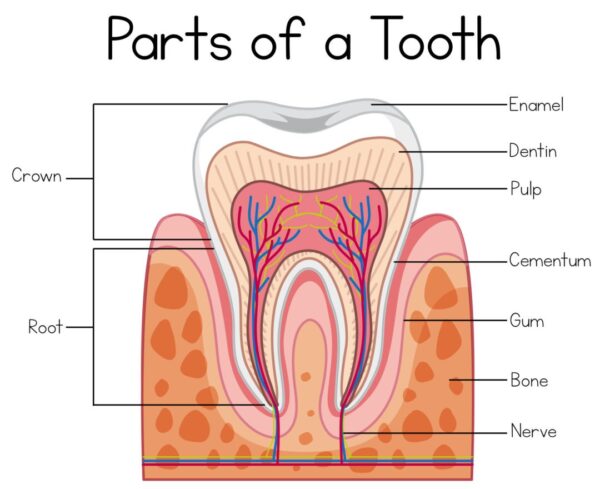
Tooth dentin is an essential component of the tooth structure, playing a crucial role in maintaining its strength and integrity. Dentin is a hard, calcified tissue that lies beneath the outer enamel layer and surrounds the inner pulp chamber of the tooth.
Composed mainly of mineralized collagen fibers, dentin provides support to the enamel and protects the delicate pulp tissue from external stimuli. It is responsible for giving teeth their characteristic color, which can vary from yellowish to grayish depending on factors such as age and genetics.
Dentin contains tiny channels called dentinal tubules that extend from the outer surface towards the pulp chamber. These tubules house nerve endings that transmit sensations such as temperature or pressure to the dental pulp, allowing us to perceive different stimuli.
Tooth Dentin and Your Dental Health
From diagnosing dental conditions to determining appropriate treatment options, understanding the condition of your tooth dentin helps us provide effective dental care for you and can help you maintain optimal oral hygiene.
What is the purpose of tooth dentin?
Dentin, a vital component of teeth, plays a crucial role in maintaining the overall structure and function of your oral cavity. Located beneath the outer layer of enamel and surrounding the inner pulp chamber, dentin serves as a protective layer for the delicate nerves and blood vessels within your tooth.
One of the primary functions of dentin is to provide support and strength to the tooth structure. It acts as a cushioning material that absorbs external forces during chewing or biting, preventing damage to the underlying pulp.
Dentin & Tooth Sensitivity
Dentin also contributes to tooth sensitivity. It contains tiny tubules that connect with nerve endings in the pulp, allowing sensations such as temperature or pressure to be transmitted to our brain. This sensitivity helps us discern between hot and cold foods or identify potential dental issues.
Dentin Health and the Riverside Community
Oral health trends in the Inland Empire reflect national patterns — tooth sensitivity and enamel erosion are among the most common patient complaints. Residents of Riverside, California who experience dentin-related sensitivity often find that dietary habits, local water fluoride levels, and even the dry, semi-arid climate can play a role in enamel wear. Staying proactive about dental health is especially important in communities like Riverside, where access to consistent, high-quality dental care can make a significant difference in long-term outcomes.
When Should You See a Dentist About Dentin Damage?
Dentin damage doesn’t always cause obvious symptoms right away. Because dentin lies beneath the enamel, patients often don’t realize there’s a problem until sensitivity progresses or a cavity reaches deeper layers. That’s why regular checkups are so important. If you’re experiencing increased sensitivity to hot, cold, or sweet foods, it may be a sign that your enamel has thinned and your dentin is exposed. A qualified dentist in Riverside can evaluate the condition of your dentin through a clinical exam and X-rays, then recommend the most appropriate treatment — whether that’s a fluoride application, dental bonding, or a crown to protect a compromised tooth.
Expert Dentin Care at Riverside Cosmetic Dentist
Protecting your dentin is an important part of comprehensive dental care. At Riverside Cosmetic Dentist, Dr. Ali Shmara, D.M.D. brings over 20 years of clinical experience to evaluating and treating conditions that affect dentin — from early-stage sensitivity to advanced tooth decay. His training at the University of Pennsylvania School of Dental Medicine and his residency at VA Long Beach give him a deep understanding of restorative and preventive approaches that preserve natural tooth structure for the long term. If you have questions about your dentin health, the team at Riverside Cosmetic Dentist is here to help.